Jan Peppler HOME
Exploring Our Connection to People and Place
Mothers and Daughters

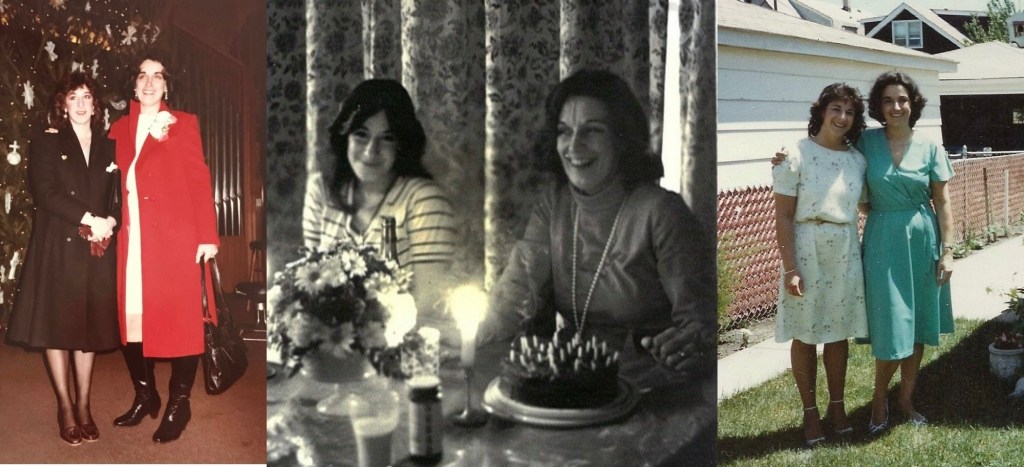
I miss my mom. Today she would be 88 years old. Honestly, I’ve missed her for eleven and a half years – more than I ever would have thought was possible.
I didn’t appreciate my mother in life as much as I have since she died. That’s a harsh thing to admit. I loved her, absolutely, I loved her. And I admired her too. Yet, I struggled with her. I struggled with what I perceived were her weaknesses and her needs for attention, and I struggled with what I now understand are reflections of my own self.
My mom was a Pisces, just like me. While I don’t subscribe to astrology as the sole determinate of human behavior, I do believe there are certain characteristics that we share according to the zodiac.
My mother and I both feel things deeply. Emotional, you might say, but I don’t like that term, and neither would she. In our culture, emotion is a negative. It’s attributed to women as a handicap. My mother’s emotions made her a poet. She understood things on a gut level, as do I.
As a Pisces, my mother’s birthday is on the heels of mine. I know this sounds petty and I’m not proud of this, but I always felt like her day encroached a bit on mine, even if it was two weeks away.
Maybe that’s why I spent a bunch of years as a young adult downplaying my birthday. When I finally embraced it at age 28, I did so with gusto. But that’s also when I started sending my mother flowers on my birthday. Always with a card that said, “Thanks for not having me circumcised.” (The story was often told how my father, probably a bit delirious from being awake about 36 hours, came into the maternity ward and shouted, “Alice, we forgot to talk about the circumcision!” The other mothers snickered as my mother gently reminded him the baby was a girl.)
I thought acknowledging my mother with flowers was a nice way to thank her for bringing me into the world. Now I wonder… maybe I was just trying to bring the focus back to me and also give her a gift in advance of when she expected something. Maybe the gesture was both altruistic and selfish, I’m not sure.
More than this, the overriding truth of our relationship is that I was much closer to my father. She would often say, “You’re so much like your dad,” and after they divorced, that wasn’t a good thing. I was well into adulthood before she would celebrate the ways she and I were similar, particularly as it came to writing and the positive aspect of our emotions.
The truth is, I didn’t want to be like my mother, though I wasn’t consciously aware of this until she was gone. I heard too many times growing up that I got my looks from her and my brains from my father. When my dad would say this, my mom would respond, “Jerry, my IQ is 140 – higher than yours!” And still, people other than my father would say it. It’s true – I did look like my mom, and thank goodness for that. But when it comes to respect, we prize intelligence over looks. And our culture assigns intelligence to men.
Growing up in the 1970s and ‘80s, I was profoundly aware of my mother as a working mom and a single mom. I also knew and vaguely understood the sins of my father, the reasons for their divorce. But the prevailing mindset at that time still blamed the wife for a divorce. Especially in Christian circles.
It didn’t matter that my mom had written two books, Divorced and Christian and Single Again, This Time With Children. Or that she led workshops on these topics and was featured twice on The 700 Club with Pat Robertson. (Admittedly, the latter did impress me. But mind you, this was well before Robertson went completely off his rocker.)
In our culture, men are associated with success. We live in a patriarchal society. Even today, women are expected to find fulfillment in being wives, being pretty, being mothers, hosting gatherings, and keeping a nice house. If a girl aspires to more, she will often identify with her father and not her mother. She’ll consider her mother weak or less admirable than her dad. She will distance herself from her mom as much as possible. Maureen Murdock writes about this phenomenon in her book, The Heroine’s Journey – Woman’s Quest for Wholeness. I didn’t read this book until I was in graduate school, a few years after my mom’s death, and wow – it was both an eye-opener and a punch in the gut. This isn’t every woman’s experience, but Murdock certainly describes mine. And the truth is, it was my mother’s experience as well.
I wish I could talk to my mom about these things. About how I emotionally abandoned her in some ways, despite staying close to her. How I blamed her for things that weren’t her fault. How I didn’t fully respect her wisdom. She had so much she wanted to share and, while I largely went through the motions, I fell so short of really listening to her, hearing her, and engaging with her mind.
Age brings wisdom. I understand my behavior now and I can forgive myself for not being a better daughter, but that doesn’t make me miss her any less. In fact, I miss her more.
My mother was truly a role model of strength and grace and an incredible blend of beauty and brains. Every day I see more and more how she influenced the woman I have become. For all of this, I am deeply grateful.
Happy birthday, Mom. I wish you were here.




JanPepplerHOME is a donor-supported blog. If you have the means to make a donation, please do! I am deeply grateful for your contribution! Thank you!!
Make a one-time donation
Make a monthly donation
Make a yearly donation
Choose an amount
Or enter a custom amount
Your contribution is appreciated.
Your contribution is appreciated.
Your contribution is appreciated.
DonateDonate monthlyDonate yearlyInshallah… Italy. Take 2.

Inshallah, this newsletter will post on February 12, 2022. Inshallah, when it does, I will be in Rome.
First, inshallah. Or more precisely, Insh’Allah. I forgot about this expression. Thanks to Abdullah Shihipar’s recent piece in The New York Times Magazine, it is back in my vocabulary.
Shihipar writes, “For Muslims, the term — which translates to “If God wills” — is auspicious: If you want something to happen, you should say inshallah before you say anything else about it. The Quran says as much in its 18th chapter, Surah Al-Kahf. “And never say of anything, ‘Indeed, I will do that tomorrow,’ except [when adding], ‘If Allah wills.’”
It is, I think, very helpful to keep such language in our daily speech. Using it may help minimize our disappointment, or, at the very least, our outrage and sense of entitlement when things do not go as hoped.
Like when I woke last Sunday to discover our reserved lodging in Syracuse—which was already paid for—would not be available due to renovations. Or the next day when I discovered I had a sinus infection. Or the day before departure when I was diagnosed with an ear infection.
All things, Insh’Allah. The antibiotics and ear drops seem to be working and, inshallah, our refund will come through soon.
So, while you are reading this, I am in Italy.
It’s been almost two years exactly since I was in the land of la dolce vita. In 2020, I arrived in Rome on March 4th for a once-in-a-lifetime six-week trip. Instead, five days later, the entire country was in Covid-19 lockdown. By then, and by the grace of God, I had made it to Sicily, where, as it turned out, I stayed in the same apartment for three months. Once-in-a-lifetime indeed. Altogether, I was in Italy for four months. And that, my friends, was a game changer. I’ve been waiting to return ever since.
(If you’re interested in reading about my time in Italy in 2020, you can subscribe here to read my unfinished memoir on Substack at Finding Home or check out An American in Italy During Coronavirus on this blog, JanPepplerHOME.)
Last spring, when it seemed somewhat safe to travel again (before the Delta variant, remember that?) I decided to return ‘home’ to Idaho, where I had lived for 14 years and where two of my dogs still remain. Only, the costs of commercial fights had risen so high that a ticket to Italy cost about the same as a ticket to Boise. And that’s when I convinced Tom we should go to Italy instead. Hah!
That was not Insh’Allah. Our plans were scrapped when Italy dragged its feet about travel restrictions and the airlines canceled part of our itinerary. But we still had credit, so it was only a matter of time before we attempted the trip again.
February is my birthday month, so I like to say that this is Tom’s birthday present to me. Yes, it’s a very generous present. Tom, who has never been to Italy, repeatedly thanks me for all the planning and organizing I’ve done and honestly, it has been a ton of work making arrangements. Plus, I know a littleItalian now, as well as a few friends there, so in a sense, I am partially playing the role of tour guide. Okay, maybe that’s not exactly an equal trade. The point is, I’m extremely grateful to Tom for helping me return to this beautiful country and he is grateful to me for taking him.
Tom and I met in 2005 on a five-night river rafting trip on the Salmon River in Idaho. By Thanksgiving of that year, we were a couple. We never lived together and we never married, but we did share custody of two great dogs even after we broke up. Without this arrangement and his emotional support, I could never have made it through graduate school. And Tom is the one who moved me to Oklahoma, driving the U-Haul the entire four days while I read Killers of the Flower Moon out loud like an audio book. The only thing he asked in return was to allow our two elderly dogs to remain with him, which, let’s face it, was in the best interest of our dogs. They have a good life in Idaho, though that was a hard separation for me. It’s not like they can send me a text. And you can’t scratch a pup behind the ears or rub a belly from a distance. But Tom is pretty good about regularly sending photos, so that’s something.
So, while my dogs and Tom are in Idaho, Idaho is still home. Because home is always where your family is. And, while they say dogs are your best friends, the truth is, they’re family. And Tom is family. Like my pups, Tom loves me unconditionally. He accepts me completely as I am. He is always happy to see me. His friendship provides me both comfort and joy. And, at sixteen years, his companionship has outlasted most four-legged friends.
Now we are in Italy. Inshallah, we will travel to Naples and then Sicily. We will stay in Syracuse, in Sambuca di Sicilia, and Balestrate (where I spent 11 weeks during 2020’s quarantine, staring out at the sea), before returning to Rome and then returning home. To Tulsa, that is.
Inshallah, we will reconnect with old friends and meet new ones. We will indulge with daily gelato and start each morning at a bar. (A coffee bar, silly.) We will explore, we will celebrate, we will learn, and we will laugh. (We always laugh.) We will eat and then eat more. We will make memories.
Of course, I wouldn’t mind if something happened that caused our trip to be extended. But Tom is a Gonzaga alum, and he has tickets for the Vegas preliminary March madness tournament, so…
Inshallah, we will be back in the States for him to watch the Zags win and I will soon be snuggling my dear little dog, Mazie.
Stay posted. Inshallah, I will write to you from Sicily.

When Home is a Vocation



One year ago, I decided I needed to give my ‘career’ one more shot. Do something of value. Something I could be proud of. Something I could throw myself into for the next five years and then move to Italy. Something where I made decent money and could save for that dream while also using my decades of experience in nonprofit management and development.
My career in nonprofits began when I was twenty-four and my father was dying of AIDS. I didn’t know that was the beginning. I started as a volunteer. I was required to do community service after being arrested for blockading the Pacific Stock Exchange while protesting corporate greed after the Exxon Valdez crashed in Prince William Sound. Sadly, those kinds of disasters are all too common now. But then, well, the world seemed different then.
I moved back to Chicago to take care of my father and was introduced to Angelika, who founded a nonprofit to provide services to people with AIDS. That meeting changed my life.
One of the first things Angelika asked me to do was balance the checkbook. When I brought it back and admitted it was balanced with the exception of four cents, she said, “Find the four cents.” That was powerful. It was, after all, only four cents. But she was right. On so many levels, she was right. I found the four cents and I have never forgotten that lesson.
In time I went from answering phones to helping produce events and then training volunteers. Eventually, I grew the volunteer program to a force of approximately 250 people. Next, I managed all our support services including transportation, meal delivery, and even a food pantry. I did outreach, I asked for contributions, I made alliances, I ran support groups, and I sat with clients and their families- as they lived, as they died, as they mourned. My years at Community Response were profound. My work was a calling, a vocation. So much more than a job. That work was my life.

Everything I’ve done since then has been an attempt to fill that same sense of purpose. And while I have truly believed in the other nonprofit work I’ve done, nothing has come close to my time at Community Response. Still, over the years I gained a lot of experience, I raised a lot of money for great causes, and, I believe, I made an impact.
I was really good in nonprofits. I know my stuff. But like the mandarin slice in the garlic bulb, just because I can still fit in that job doesn’t mean I belong there.
I went back to school with the dream of becoming a Humanities professor. But after earning my PhD and several years of teaching adjunct, I couldn’t land a full-time college gig. And I couldn’t live off an adjunct’s wages and still pay my college loans. When I was heavily pursued for another high-level fundraising position, I relinquished my conviction of a new career and accepted the offer.
Sometimes the universe tests you to see if you’ve learned your lesson. It tempts you with something that looks familiar but better. Underneath it is the same hole you’ve fallen into time and time again. If you’ve learned your lesson, you acknowledge the opportunity and walk away. If you haven’t learned, you embrace the “opportunity” and fall back into the hole.
I fell back into the hole.
Two fundraising jobs later, I was determined never to do that again. Instead, I went to Italy. I pursued a different dream. That dream led to another life-changing event: three months in Sicily during Covid lockdown. While there, every sign seemed to tell me to write.
So I started a blog: this blog. In those first months, almost 4,500 visitors in 41 countries read my work. Then I came back to the States and my readership fell. I adopted a new website combining the blog with my consulting and it was a disaster. I had no income. I questioned my purpose.
This time last year I bucked up. I threw myself into looking for that one last meaningful career job. And the positions looked promising. Recruiters started calling. I only pursued those that were philosophically and emotionally a good fit. But the universe was teasing, testing me again. One by one the doors closed.
It hasn’t been quite a year since I decided to give writing a real chance. I doubt my abilities all the time. I’m barely paying my bills with a low-stress side job. But when I think of where I was a year ago—throwing myself into the job hunt, ready to plunge back into nonprofit leadership—I recoil. That is no longer my life. I’m amazed, relieved, and deeply grateful.

People think I’m courageous. It doesn’t feel that way to me. Instead, I think it’s just that I can’t stand the pain of slamming into a wall or pounding my head against a door that doesn’t open. My personality is not one to bust through barriers but rather to walk around them. And that’s when I discover a new path. A path that carries me home, even if that home is temporary.
I am a writer. I’m still struggling with this, though. Still trying to silence the voice that says it is pretentious to claim such a thing, the voice that says writing is not as noble or selfless as working in nonprofits. And I’m still learning the craft. Like a volunteer before my responsibilities ramp up, my confidence is hampered by the limited time I’ve been at it. But here I am. Doing my best and striving to do better.
Thank you for joining me on my writing journey. My journey to finding home. You make me better.

Tea, Travel, and Pie
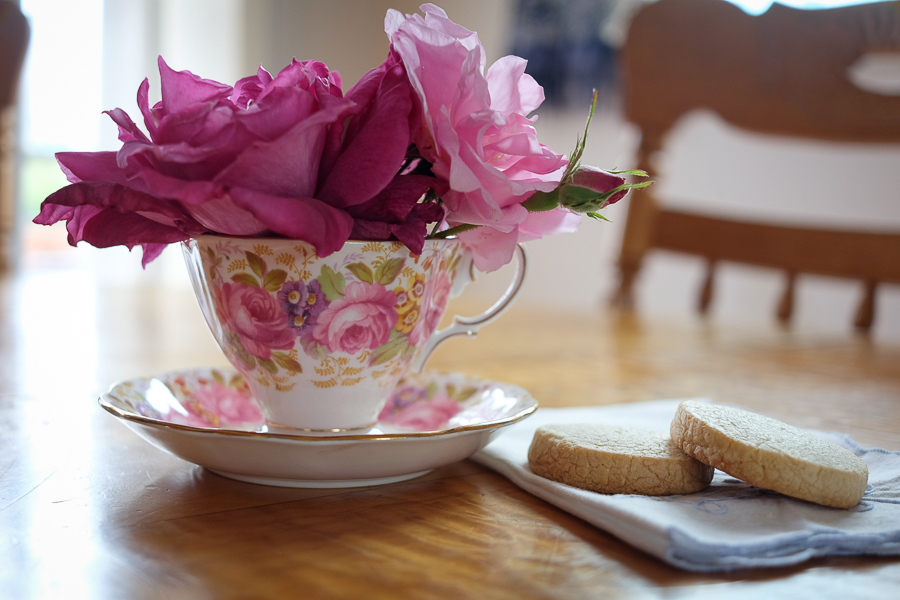
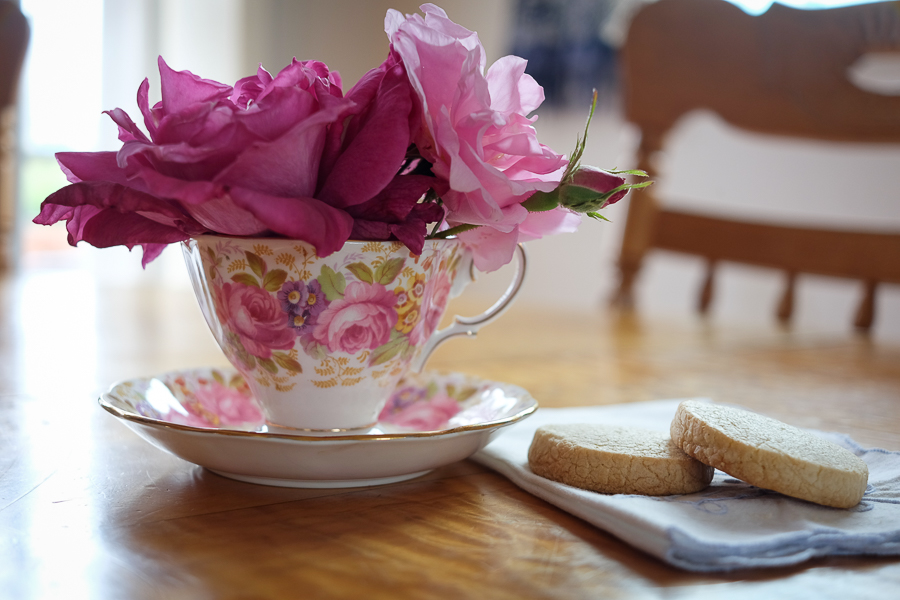
Sometimes we don’t choose home, home chooses us. We fall in love not with a place but with a person, and if that person lives elsewhere, we find ourselves far from our original home. Home becomes the place where our beloved is. And even when our beloved is gone, this place is still home.
The following post touches me deeply. It’s about chance meetings that change our lives in both big and small ways. About love and loss. About tea and travel and baking pies. And ultimately, it’s about finding home in the heart of another.
I’m grateful to Kate McDermott for allowing me to share her story with you. You can read more of her work at Kate McDermott’s Newsletter.
Tea?
This is the code word my friend Cindy and I use on a journey we take together to Ireland in 2019, the last international trip that either of us take BC1. When either one or both of us become weary of walking or driving, Tea? is the cue to set the compass for a refreshing pause in our travels to the local tea room in whatever village or town we are near. On one day, The Butter Market Cafe (now closed) in Kilrush, County Clare provides just what we need.

We walk through the door and see that all the tables are taken but as Ireland is known for its gracious hospitality, a woman beckons us over to share the empty seats at her table and we gratefully accept.
I’m just off to the WC. Can you watch my stuff?
She has a husky voice with an American accent and a wee bit of a lilt.
Absolutely! Happy, too.
And off she goes.
While Cindy watches her stuff, I head over to the counter and place an order for refreshments…tea for her, a latté for me, plus several baked sweets to share. I carry everything back to the table and our new friend returns. Introductions and a few pleasantries are next.
Where have you traveled from today? Where are you going to next?
We share that we are in week one of three wonderful weeks of meandering along Ireland’s west coast.
How about you? What brought you here?
And with that she begins a story that has us riveted in moments.
In her 20s, she travels from America to Ireland and meets an artist-musician Irishman along the way. They fall in love and together travel around his beautiful country. As the time comes closer for her to return to America, she contemplates a permanent move to Ireland to be with her soulmate. When she returns home she tells her mom of her feelings for this man, stronger than any she has ever had before, and also of the deep fear she has of making such a big move. Her mother hears her daughter’s words and then tells her a story which she has never known before.
When her mother was young, she too traveled to Ireland, met an Irishman, fell in love, and became pregnant. That man was our friend’s father—a father she had never known until her mother told her at that moment. I can only imagine the surprise and shock she was feeling when she heard this but our friend continues.
Her mother asks…
Do you love him?
Yes.
Then you must go and be with him.
…and so she does. Our friend makes the move to Ireland and marries her love. On trips back to see her mom he comes as well. All is well…perfect she says and there is happiness in her face, but as she continues her story we see it replaced by sadness. He is diagnosed with cancer…terminal cancer and on a last trip to America his condition becomes so dire that…
All he longed for was to go home, to die in Ireland the land of his birth.
They go to the airport to make this final trip but he has forgotten his passport. She pleads with TSA and Customs to let him go home please because…
Can’t you see how sick he is? He just wants to go home…to die.
And somehow…somehow he is allowed on to the plane to make that last Atlantic crossing. He dies soon after. She tells us of her heartbreak, feeling so alone, and how difficult it has been to go on without him.
There is a piece of land with a cottage in his family and with every cent of money she receives after the death of her own mom she buys the small portion that has the cottage on it. She lives there now. It is far from town and as she has no car she relies on friends to give her rides into town for supplies and visits to the tea room. She tells us of the small garden she is starting and how she feels his spirit so strongly in the cottage. This all she needs, she says. It is enough. It is home.
She turns, looks at me, and asks…
What about you? What do you do?
After hearing her story, my own seems very pale in comparison, but she seems honestly captivated when I tell her I teach pie making, write books, and share with her three life lessons I have learned from pie…
- Keep everything chilled…especially yourself.
- Keep your boundaries.
- And vent…appropriately.
She says…
This is why our paths crossed…so I could hear these three things.
When we get ready to leave there are hugs all around. She tells us where we can find her on social media and later I send a message hoping to hear back, but I never do.
The memory of our lives intersecting in this one shared moment will be enough.
“Tea?”
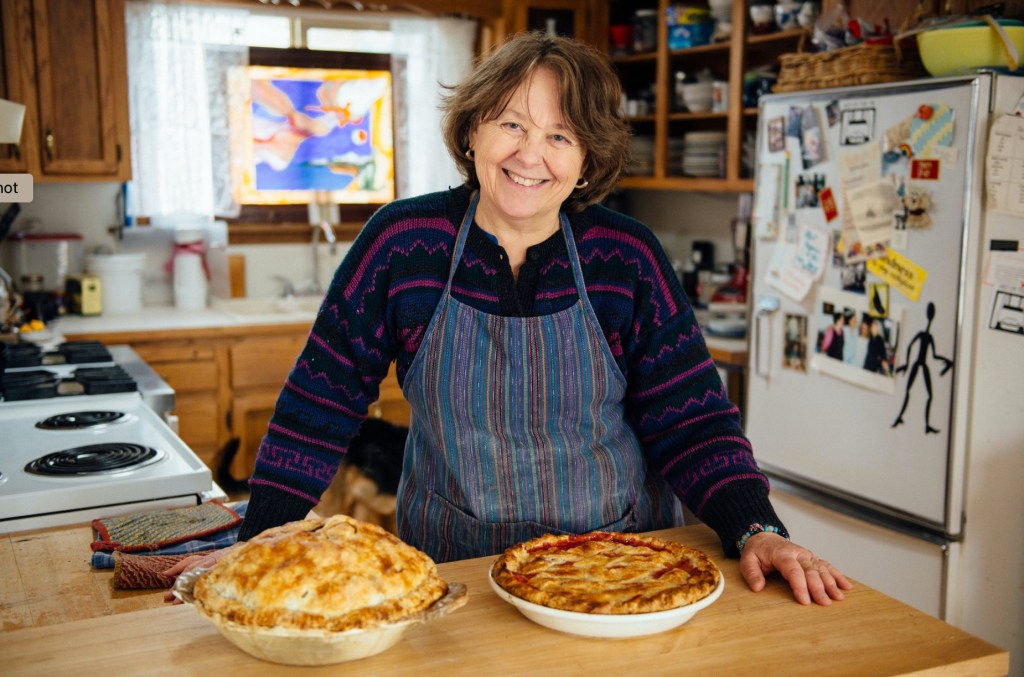
James Beard Award Finalist Author, Kate McDermott is the author of Art of the Pie: A Practical Guide to Homemade Fillings, Crusts, and Life, Home Cooking with Kate McDermott, and Pie Camp: The Skills You Need to Make Any Pie You Want. She lives at Pie Cottage, her home on the Olympic Peninsula of Washington State, where she gardens, tends her wood stove, walks, and writes. She invites you to visit her Substack at Kate McDermott’s Newsletter.
Cleaning House

I have a good friend who becomes Midge, an alter ego, when she cleans. Midge is a coffee-swilling, gum chewing, wise cracking, no nonsense Italian with a razor-sharp focus for cleaning down to the cracks and crevices.
I’m no Midge. I like an organized home and a clean home, which, having a dog means vacuuming every few days. I don’t want to admit this but I probably would not have made a good mom. Okay maybe one kid but not more. Too much mess. I wouldn’t want to curb a child’s creativity but honestly, I would not have dealt well with the chaos. Even living with another adult has its challenges. Dishes in the sink, food left out, clothes on the floor… these things make me crazy. I’m not proud of this but there it is. I make my bed every morning. I have very low tolerance for living with others who don’t. Which means dogs are about the only level of chaos and dirt I can deal with on a daily basis
Being allergic to dogs means my house has to be clean, even beyond my own compulsion. Or maybe my dog is a good reason to mask my compulsion.
I tend to clean at the oddest times. Like first thing in the morning, before I even have a cup of tea or change out of my PJs. That’s typically when I tackle something big – before I have a chance to settle into the day, get distracted, and change my mind.
Which is what I did last week when I cleaned out the fireplace nook and had to dry all my DVDs. And this week when I decided it was time to get rid of more books. I was lying in bed scrolling through emails as I typically do while my little Mazie continues to snooze under the covers until the sun comes up.
Then a prayer by Rob Brezney caught my eye. A powerful radical juicy prayer. A prayer that may shock some of you but I’m going to share a part of it anyway because it has everything to do with my current headspace.
DEAR GODDESS, you who always answer our very best questions, even if we ignore you: Please be here with us right now. Come inside us with your sly slippery slaphappy mojo.
DEAR GODDESS, you who never kill but only change: I pray that my exuberant, suave, and accidental words will move you to shower ferocious blessings down on everyone who reads or hears this benediction.
I pray that you will give us what we don’t even know we need—not just the boons we think we want, but everything we’ve always been afraid to even imagine or ask for.
Many of us don’t even know who we really are. We’ve forgotten that our souls live forever. We’re blind to the fact that every little move we make sends ripples through eternity. Some of us are even ignorant of how extravagant, relentless, and practical your love for us is.
Please wake us up to the shocking truths. Use your brash magic to help us see that we are completely different from we’ve been led to believe, and more exciting than we can possibly imagine.
Provoke us to throw away or give away everything we own that encourages us to believe we’re better than anyone else.
There I stopped. I caught my breath. I read that again.
Provoke us to throw away or give away everything we own that encourages us to believe we’re better than anyone else.
As if I needed another sign or more encouragement, here it was. First there was the mold and I cleaned my house. I let go of some things. A lot of things, I thought. Things that had once defined me, like my camera. And then, so quickly, I became complacent again. Now there is this. There is still more to clean, more to release.
And that’s what got me out of bed and into the living room to start clearing off my bookshelves at 7 am.
My library has always been a point of pride for me. As it was for my father too. And I inherited a lot of his books, particularly his leather-bound classics. They look good on my shelves, mixed in with all the old and antique books I’ve collected over the years. Granted, the old books are fun. I love reading the language of 100 years ago. But the leather-bound, if I’m being truthful, are pure ego. Those books are for show. Those books are meant to impress, to say a smart person lives here. Those books have been my shield and a façade. It’s time to let those books go.
So I filled my trunk with books. Some I sold, others I gave to a church, and others I slipped into a few little free libraries around town. And I still have more to go, more to give away. But for the first time ever, I have blank spaces on my shelves. I am decluttering my life (again). Releasing what I no longer need, what only makes me heavy, and which deceives me into believing I’m something other than what I am.
Cleaning house is more than vacuuming and tidying up. More than putting things neatly in places so they can’t be seen.
I’m no Midge. But I am definitely getting better at cleaning.
Meanwhile, I’m still tackling the piles of paper on my writing table and a few other surfaces. I’m saving more things digitally these days but the truth is, I always forget the things I’ve saved on my computer. When they are printed, I find them again. And finding them again is priceless.
Here is something I rediscovered this week, another perfect reminder for me and quite timely as we remember Thich Nhat Hanh, the wonderful Buddhist teacher who transcended his mortal body a few days ago:
When Thich Nhat Hanh was invited to the San Francisco Zen Center years ago, the students asked him what they could do to improve their practice. He had entered a monastery at age sixteen, was an ordained monk, and had endured the horrors of the war in Vietnam. The expectation was that he would offer them some rigorous prescription for deepening their spiritual life.
Here’s what he said: ‘You guys get up too early for one thing; you should get up a little later. And your practice is too grim. I have just two instructions for you. One is to breathe, and one is to smile.'”
Sometimes it really isn’t complicated. Breath is cleansing. Inhale the good stuff, exhale the old and unneeded.
Breathe. And smile. This is how we clean house.
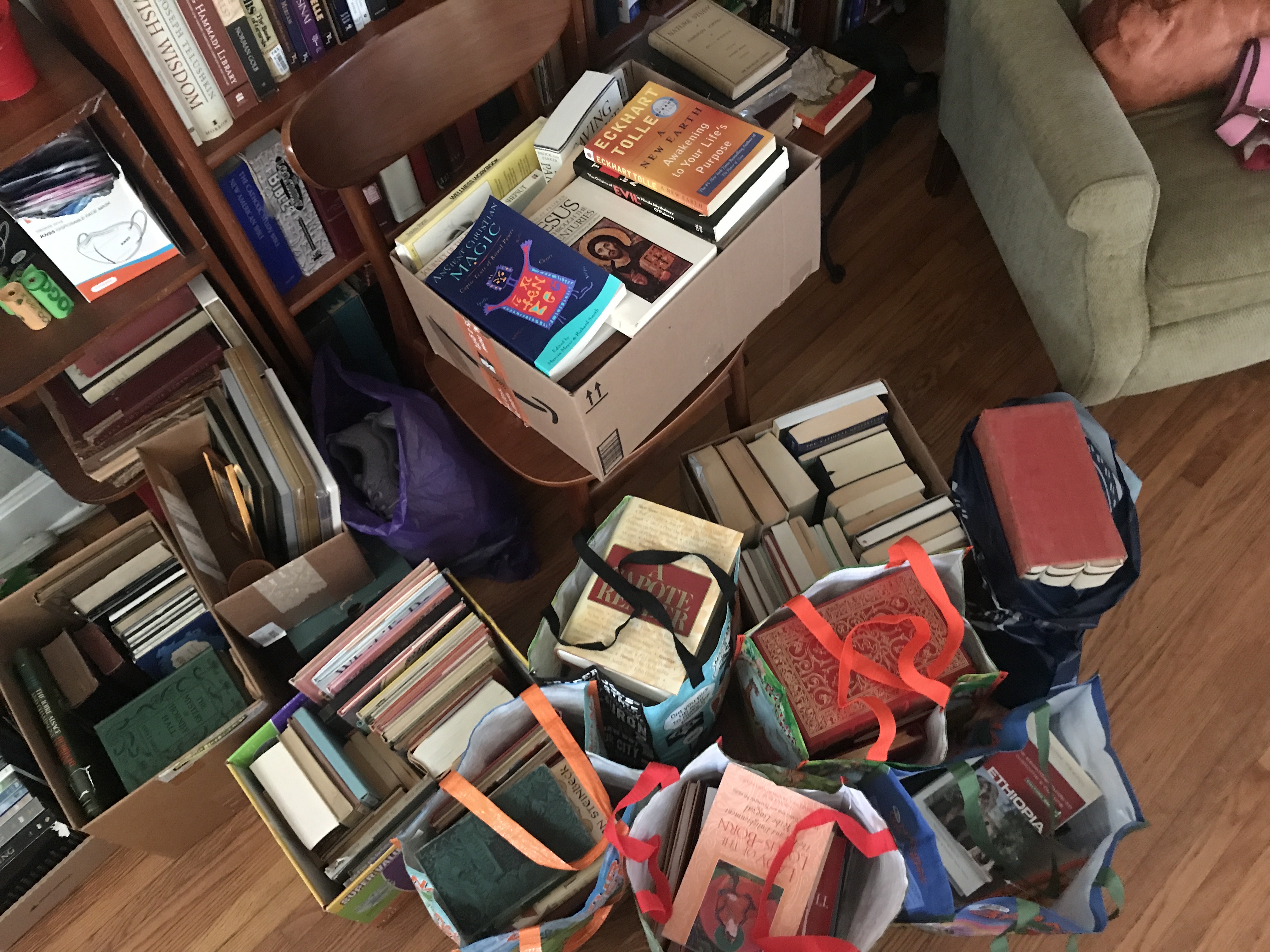

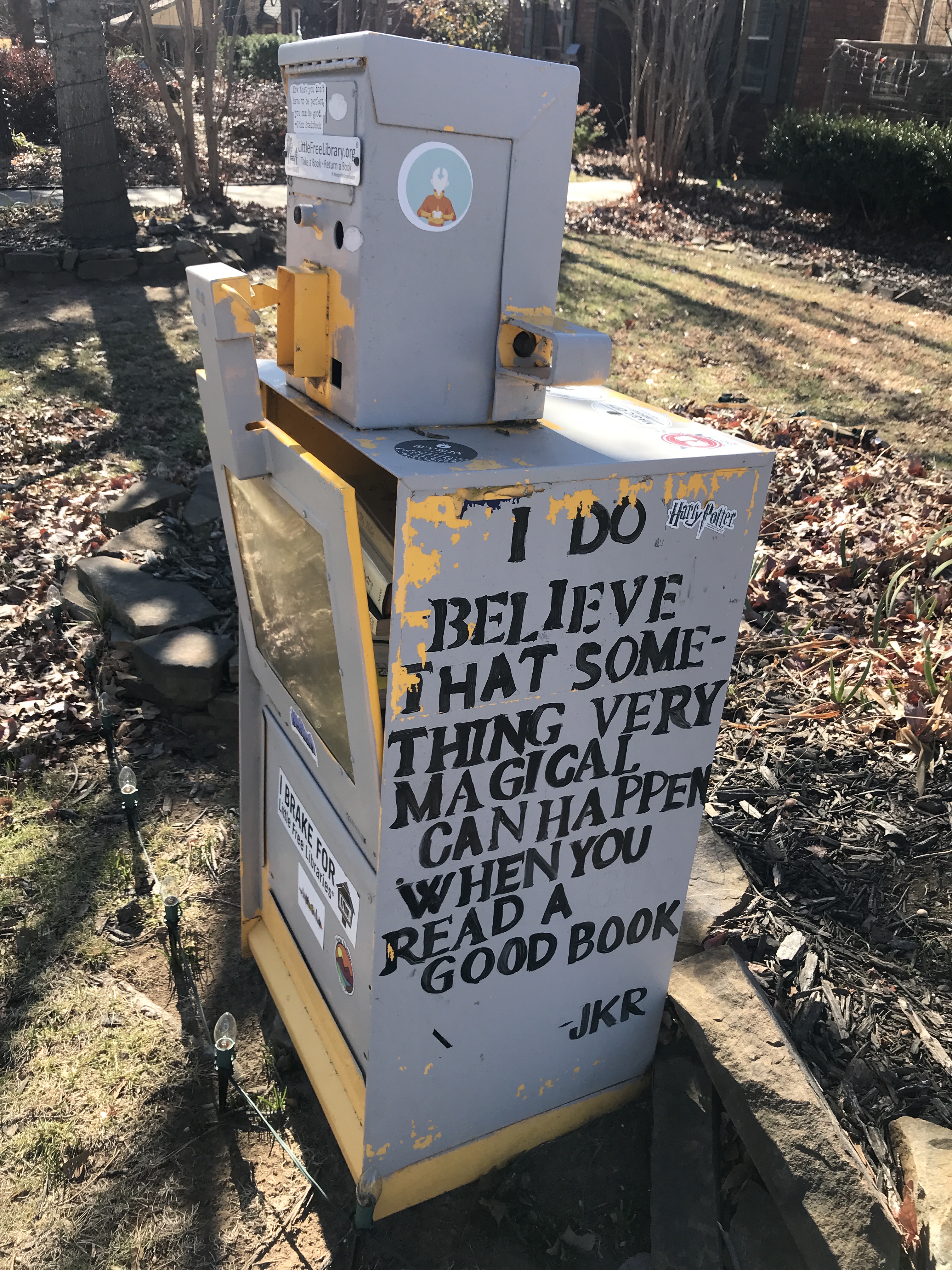
These are just some of the books I gave away this week

Letting Go… Again
I met a man this week who told me he lost everything in a house fire. When he and his wife came back from shopping, all that they owned was gone, save for the car they were driving and the clothes on their backs. Twenty years later, they still search for something only to remember they no longer have it.
Starting over, he said, wasn’t easy. They still feel the pain of it. At the same time, he said, it was liberating.
My sister used to accuse me of never letting go: not of people nor of things. For every one thing you bring into your house, give one thing away, she would say. I couldn’t do it. Not until I sold my home in 2018. Then I let go of almost everything. Or so it seemed. A three-bedroom house down to a 10’x10’ storage space not entirely full as there was room to sit in a chair and read. Not that I ever did, but I liked the idea that I could.
Since then, I’ve been living in an 800 square foot flat with four rooms. A tiny house, essentially, with absolutely no storage space.
“You will find that it is necessary to let things go; simply for the reason that they are heavy. So let them go, let go of them. I tie no weights to my ankles.”
C. Joybell C.
Sure, I noticed condensation on my windows but didn’t think about it. The moist heat feels good. Moist is, in part, at least, superficially, why I left the elevated desert in Idaho.
But then I pulled a pair of cowboy boots out of my closet and gasped: on the wooden heels there was mold. And on the next pair, and the next pair too. When I saw my oldest pair of boots, purchased in 1985 and resoled four times, I almost dropped them in repulsion. Mold was everywhere. These boots, I realized, would have to be tossed.
I need to let go.
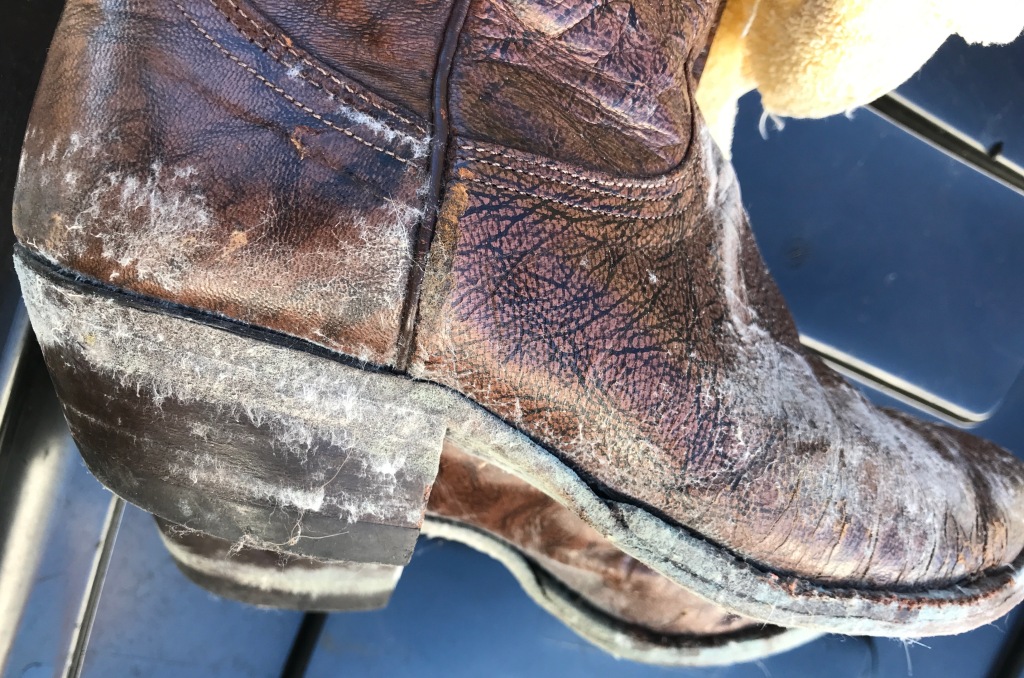
Surprisingly, tossing these boots wasn’t a big deal. The others, I cleaned with vinegar and water and set them out to dry. And that was that. I gave it no more consideration.
Until, l a few days later, I discovered mold on the floor under my couch, which, for the record, I had just cleaned on Christmas Day.
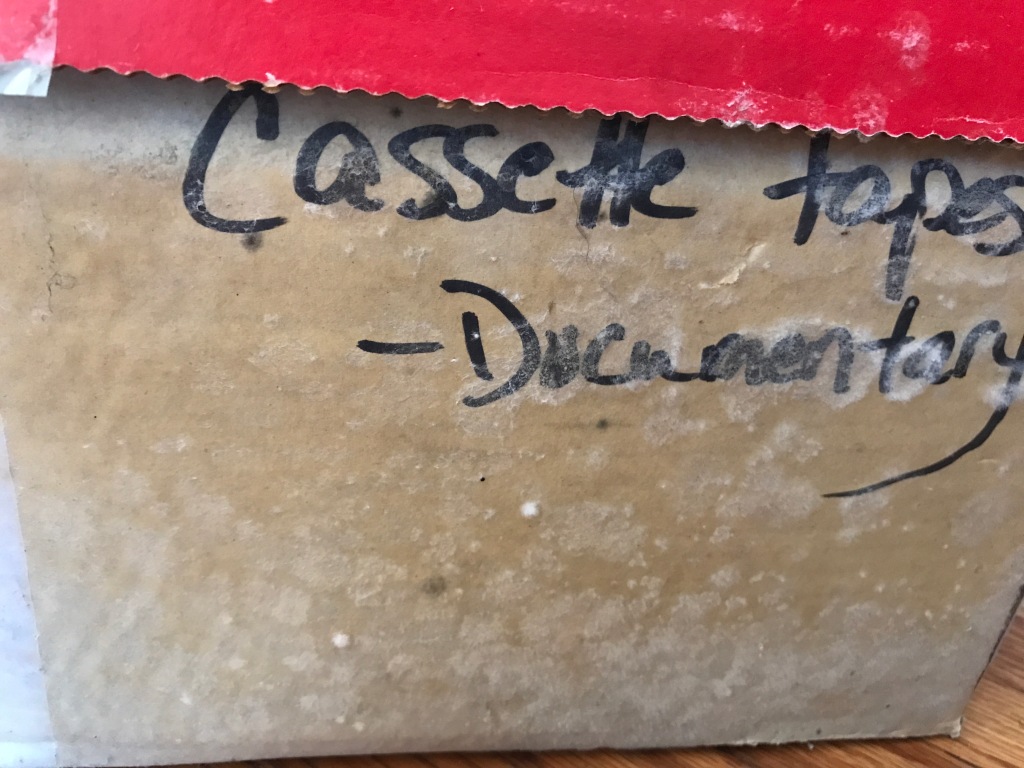
There was more fuzzy mold on the box in the corner which held the audio and video recordings of the documentary I had worked on twenty years ago and never finished. Crap. Now what? Do I need to let go of these as well? These are more than boots, more than things, more than an uncompleted project. These are people’s lives. The records of women no longer living.
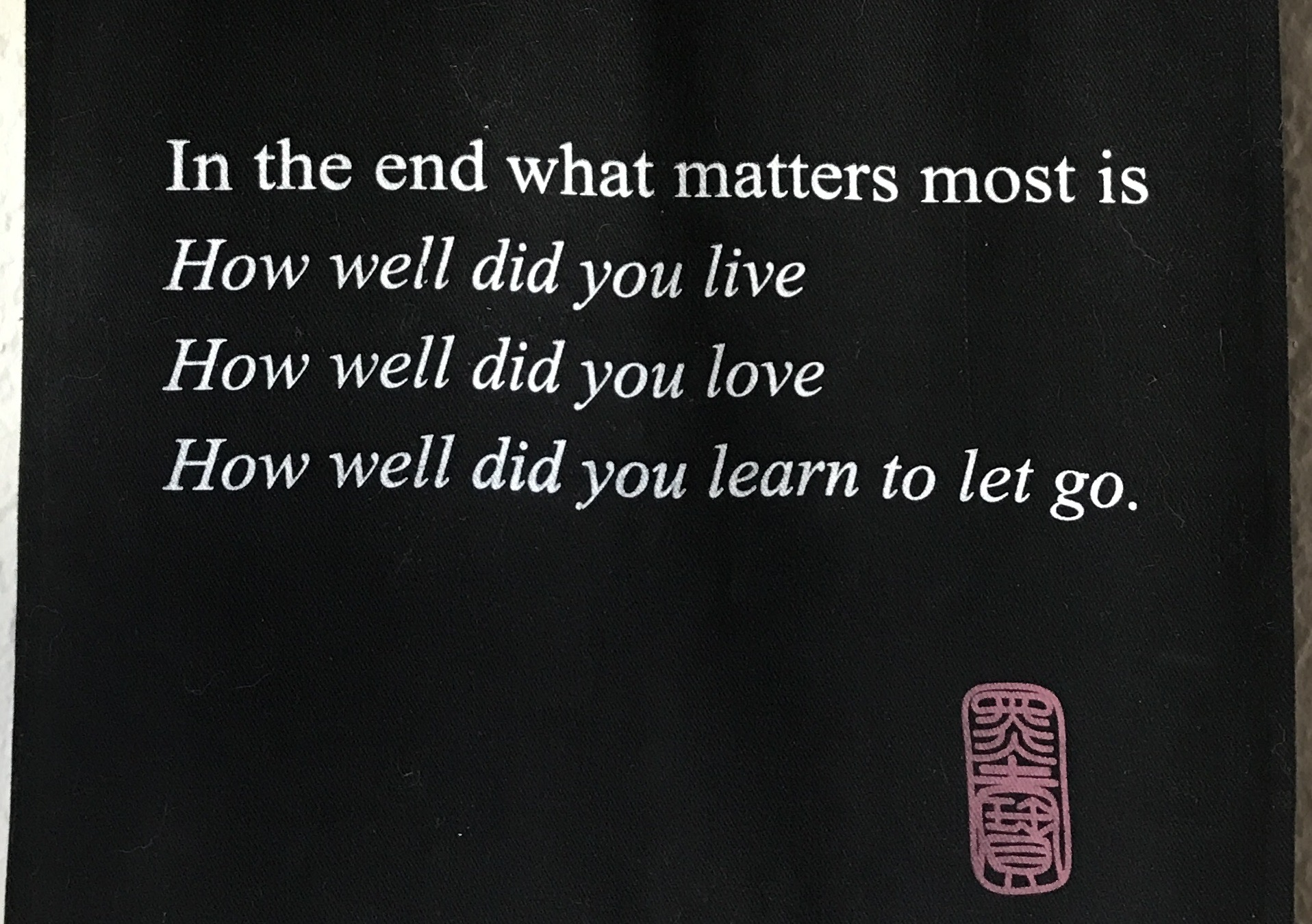
As if to answer this question, I look up. Above where the box was stored is a cloth banner that reads:
In the end what matters most is:
How well did you live
How well did you love
How well did you learn to let go.

This is not the end.
I’m still learning to let go.
Later, I discover mold on the canvas yoga mat carrier that was stuffed in a corner between a bookcase and the wall. And on a silk robe hanging too low to the ground. And on the back of a mirror leaning up against the wall. And on a box holding my sewing materials. And on my photo boxes. And that’s when I stopped looking. At least the photos inside are mostly okay, some only moist. I spent the next five hours sorting through photos and tossing a third, maybe half, of them.
This is when I began to feel the discomfort. What to keep and what to let go? If they had all been destroyed, well then, I’d live with that. But having the choice of what to keep and what to toss is difficult.
Choice is hard.
The tears finally come the next day when I consider my camera bag that stored my old Canon Rebel with an external flash, additional zoom lens, and extra filters. Now one of the zippers on the bag is so jammed up by moisture that it won’t budge. This camera served me well. It provided me with another career in Los Angeles shooting “b-roll” footage for PSAs, documentaries, and special events. I shot a LOT of great photos with that camera. I was holding that camera when I met Sir Elton John.
I call a friend. She says if it gives you joy, keep it. But it’s not that easy, I say. I hang up and tears pool in my eyes. I will likely never use this camera again. No one uses film cameras anymore, unless you’re an artist in that field. I will never have that kind of dedication to that art alone.
That was another life, another time, another career. And this, I think, is the source of my tears. As much as I love my current life and where I’m headed, it’s always hard to let go of the past. Even for me. Even after I’ve done it so many times.
And maybe that, too, is part of it. I have let go over and over and over again. While clearing out another damp box, I found a letter to volunteers and supporters of Community Response, the AIDS service organization I worked for early in my career, dated May 1994. It begins: “Give in. Let go. Have faith.”
How many signs do I need? Apparently, many.
How many more times must I do this?
Spirit responds: Until you do it easily, until you learn how to let go.
How much more do I need to strip away?
Everything that is no longer necessary, all this must go.
“The greatest step towards a life of simplicity is to learn to let go.”
Steve Maraboli, Life, the Truth, and Being Free
Human nature is to avoid discomfort, at least ifwe can and for as long as we can. Denial, right? More than a river in Egypt.
I’ve been staring at my DVDs in the fireplace nook ever since I first discovered mold. And I did nothing. I reasoned that, while it was against an outside wall, it wasn’t near a window. Oh sweet river, I held out as long as I could. This morning I finally looked. Sure enough, the moisture was thick.
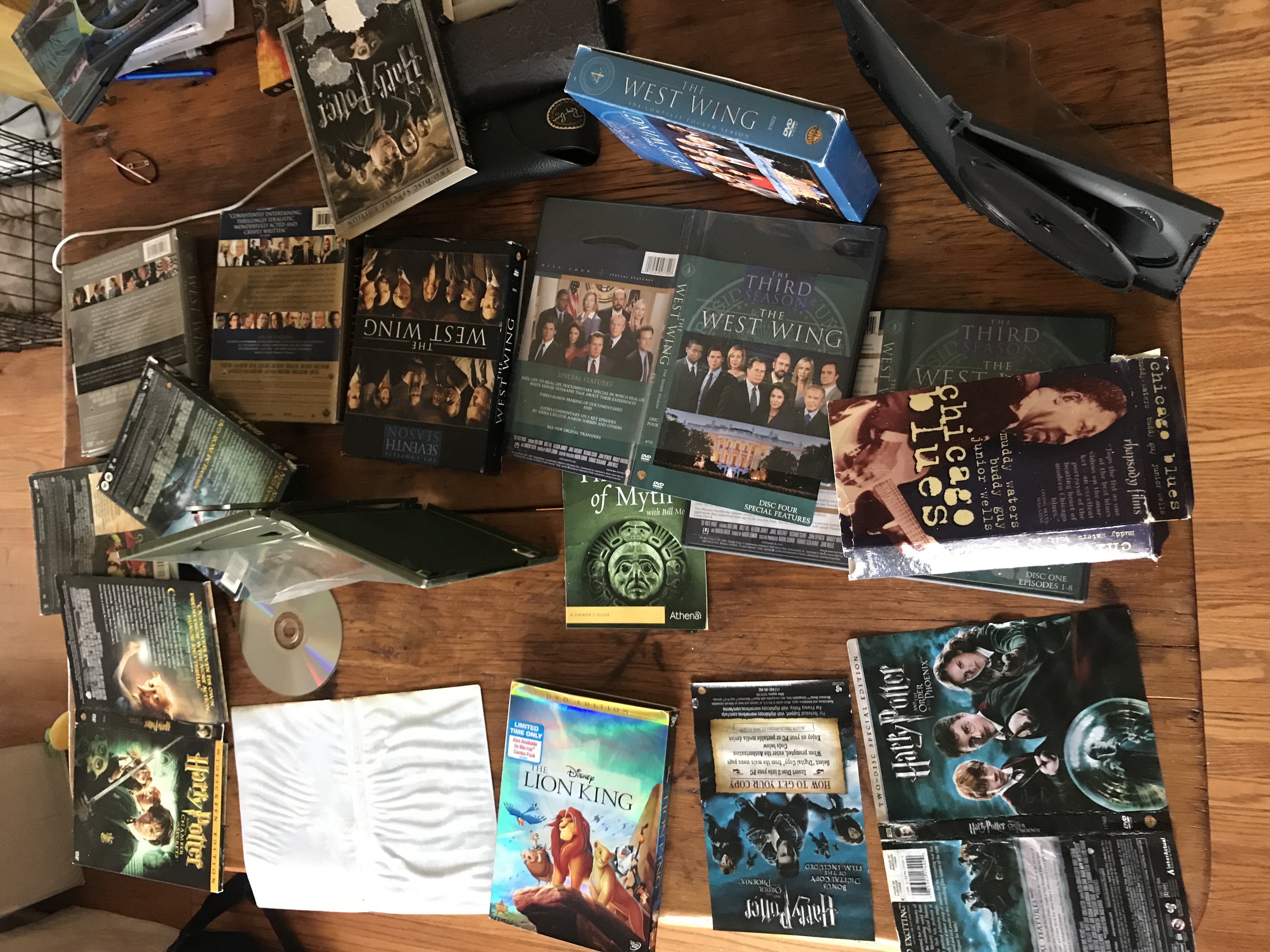
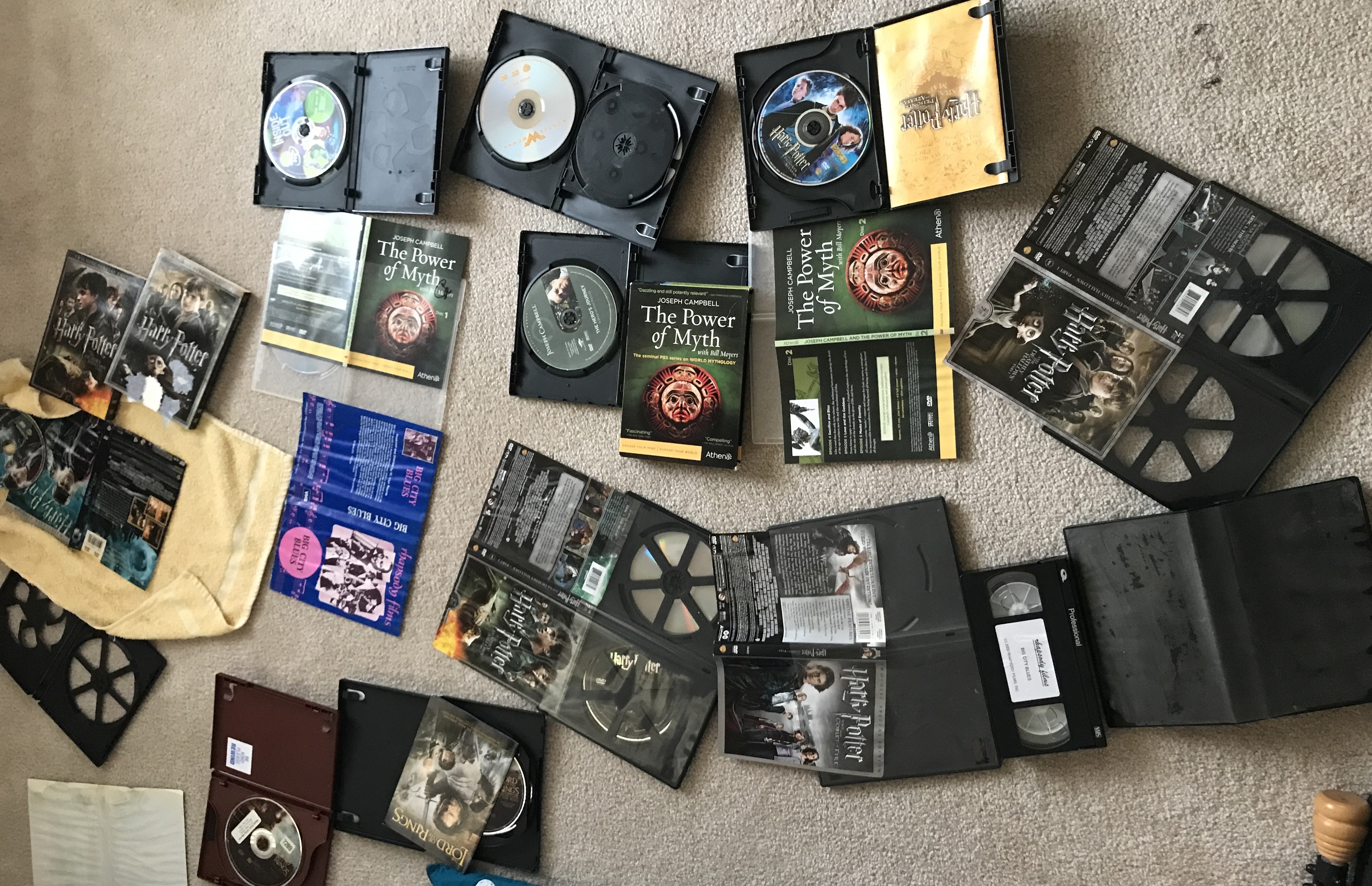
I also have bookshelves against outside walls. I keep thinking that when I move from this place, I will let more of them go. But now? Do I have to now? Already there are too many times I reach for a book only to find it gone. I have let go of so many of my books. I know I will let go of more – but do I really have to do that now? Yes. At least, enough to fit my DVDs after I’ve culled my collection.
A guy from Mold Busters came today and measured for mold. We’ll have the results back next week. Meanwhile, I continued cleaning with a KN95 mask and vinegar water.
Everyone seems to agree that the 80-year-old windows are the problem. Fingers crossed that they will be replaced in the next few weeks.
So the question isn’t whether the mold will be remedied. Of course it will. The question isn’t if I can repackage these things in new, clean, dry boxes. Of course, I could do that as well. The question is… do I really need this stuff anymore?
I have an idea of what I want my new life to be. But nothing is a guarantee. What if I can’t do it? There is security in holding on to old things. But it’s a false security.
“We can’t be afraid of change. You may feel very secure in the pond that you are in, but if you never venture out of it, you will never know that there is such a thing as an ocean, a sea. Holding onto something that is good for you now, may be the very reason why you don’t have something better.”
C. Joybell C.
I took a carload of things to Goodwill. Including the camera, a record player, my grandfather’s portable typewriter, and boots. A value of almost $1,000. I have three boxes of books to give away. One to the Unitarian church. The others? Probably out of laziness, to Goodwill.
But the audio and video recordings of women from the documentary I never finished? I still don’t know. It’s so hard to let go.
I am still learning.
When Your Face Feels Like Home

The 10 Year Challenge Redux*
“I think I’m going through an identity crisis,” my 14-year-old said on the way to church this morning. “I look at my face in a mirror, and I wonder who that person is. I talk, and my voice doesn’t sound like it should belong to my face. I think it’s strange that my friends look at this face and hear this voice and think it’s me. I don’t. I’m trying to find out who is me.”
That kid was me. And that story is how my mother started Chapter 8: A New Beginning—A New You in her book titled, Single Again, This Time With Children. Even if she hadn’t memorialized my experience in print, I would still remember it. That same feeling came and went for more than half of my life.
In my twenties, when my hair was short and then, even shaved, I would give up jewelry for Lent. For a full six weeks, I would face the world unadorned with no earrings and minimal makeup. It was my attempt to give up vanity. My thinking was simple: this is what I look like. Nothing can change my face. I was learning to feel comfortable in my skin. But it took years. Decades.
Now my hair is slowly turning grey though friends say they can’t see it even when I point it out. My eyelids are drooping and there is some sagging in my neck. But the truth is, I look the same. I look like I’ve always looked.
I’ve heard women joke about Covid 15, meaning the fifteen pounds gained during this pandemic. I’ve gained ten but it feels like twenty. I feel heavy.
Then I look at old photos and laugh. I was so thin!
Now, I’m normal. I’m exactly the weight to be expected for my age.
I haven’t been on Facebook much lately so I was surprised last week when I saw so many of my female friends posting two photos with the hashtag 10 Year Challenge. One photo from today and one from 10 years ago. Funny how I’ve only seen women do this. Is this because women, more typically than men, think about their looks more? Because many of us have felt estranged from our bodies? Because we have manipulated, tugged, plastered, and peeled our faces for decades all in an effort to achieve beauty – beauty as defined by some crazy cultural norms?
Or is it because while men always seem to be accepted as they age, their grey hair deemed distinguished, handsome, even sexy, women are ignored, ostracized, and discriminated against as they show signs of age? And we women internalize this scrutiny. We judge ourselves. I am as guilty of this as everyone else. The judging started when I was maybe twelve or thirteen and by fourteen I was having an identity crisis.
I’ve spent my entire life learning to accept my nose, my mouth, the scar on my bottom lip, the hole in my right eyebrow, my slightly crooked teeth, and my thin, clumpy, short lashes. Seems silly now but honestly, it’s been a struggle. And I know I’m not alone.
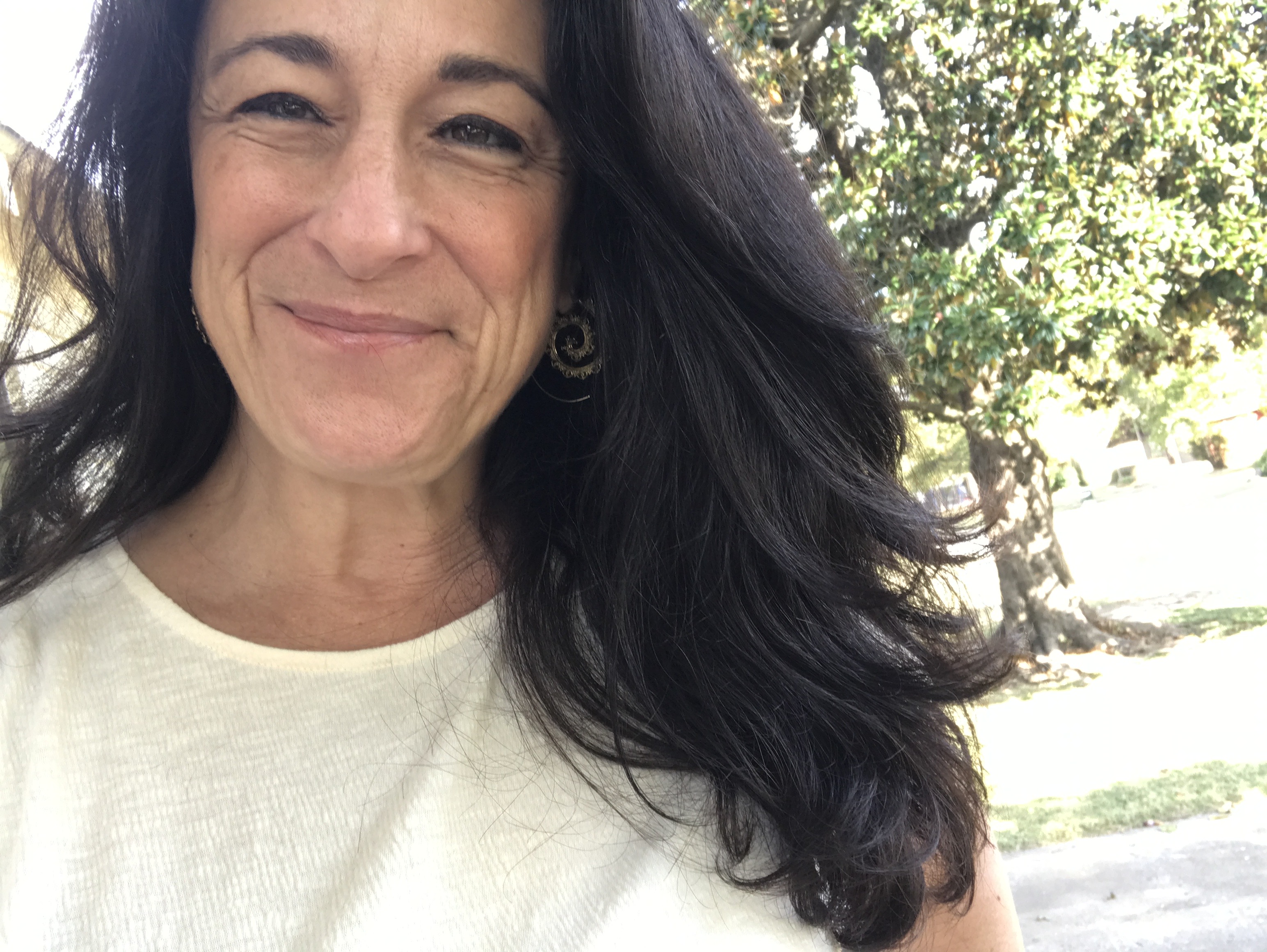
So when I looked for photos from ten years ago, I kept looking. For ten years before that and ten years before that. Six decades of photos. I was surprised by what I found. I expected radical changes. But I was wrong.

2021 and 2011
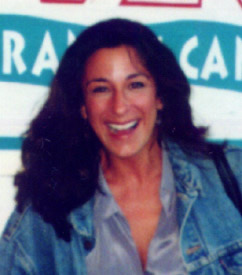

2001 and 1991

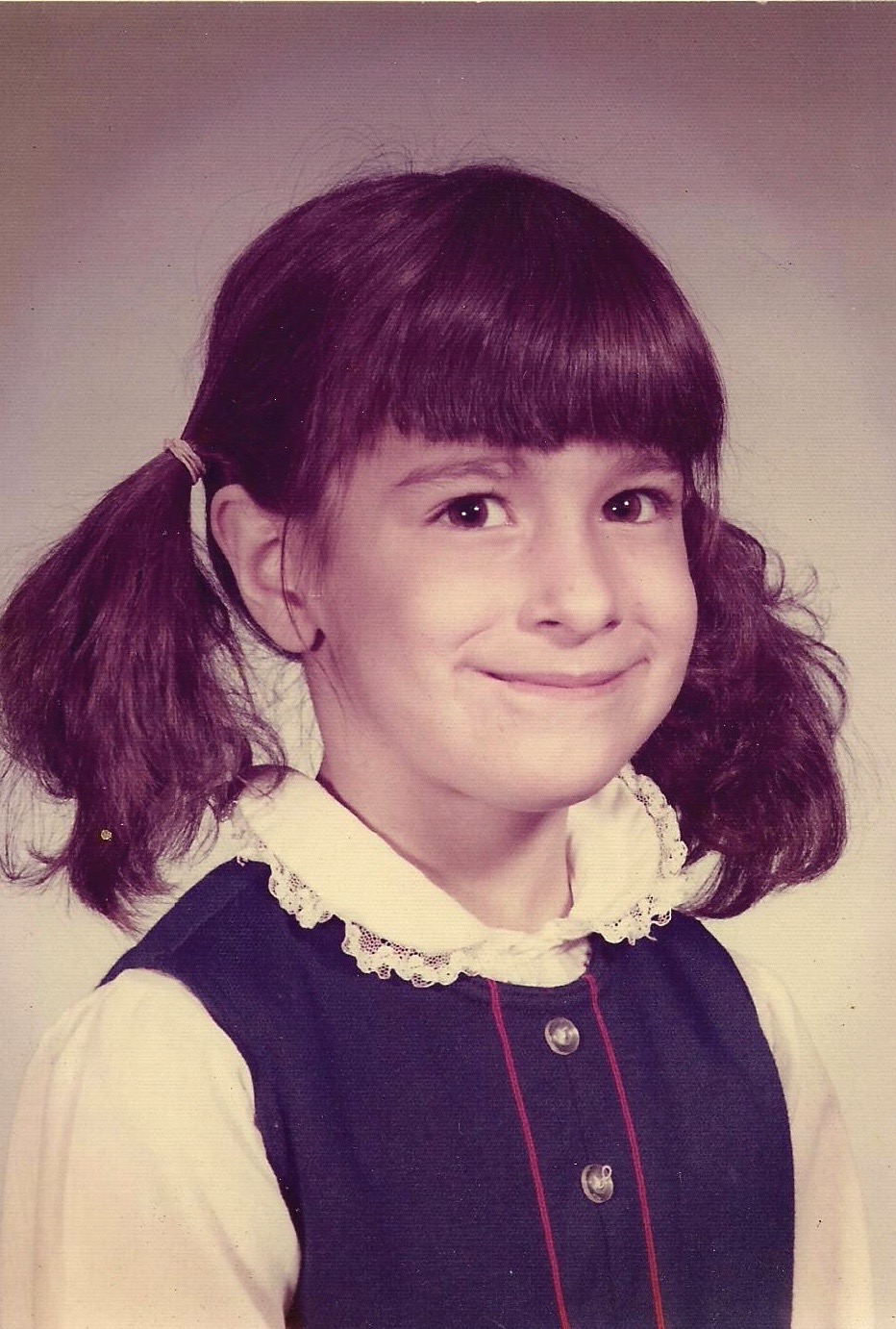
1981 and 1971
Turns out, I haven’t changed much at all. What these photos don’t capture are all the crazy looks between every ten years. The haircuts, the perms, the shaved head, the bangs, the highlights, the outfits, the makeup. But they do capture my face. This is who I’ve always been.
I challenge you to do the same. Not as some sort of beauty challenge – a “did you age well” challenge, but more of a “welcome home to your face” challenge. Embrace who you are, who you have always been.
Therein lies the beauty. Therein lies home.
* I thought about using the word redeux, which is a slang twist on redux. The Urban Dictionary cites redeux as another way to say remix and I like the idea of remixing the #10yearchallenge. But redux comes from the Latin word reducere, meaning “to lead back.” The Romans often called the goddess Fortuna, Fortuna Redux, trusting that she would bring those who were far from home back safely. This is how I use the word here. With the hope that we might all come safely home back to ourselves and find home in our own faces.
Epiphany
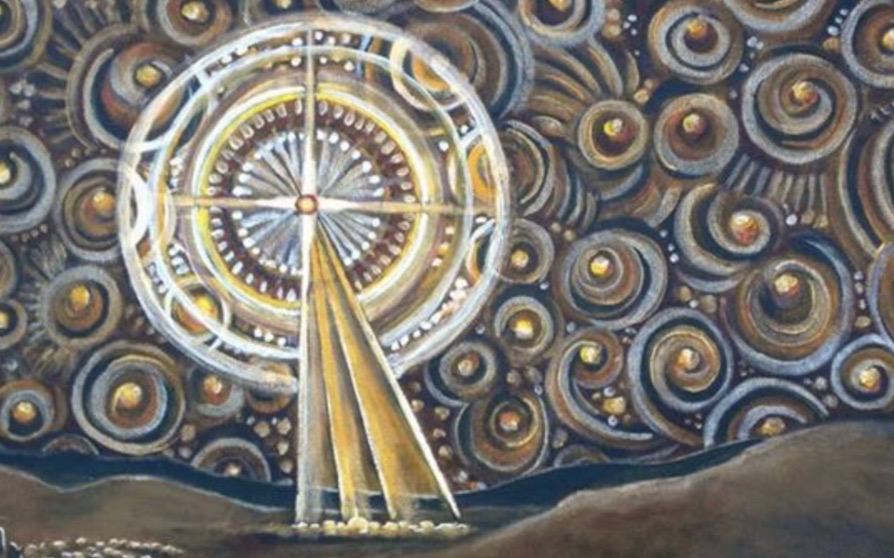
Announcement: You may now take down your Christmas tree. The twelve days of Christmas are over. The Magi have officially arrived.
Ok, maybe you’ve already taken down your tree. But you may remember from my post on Holiday Traditions that, in my family, we always celebrated Epiphany. (With the camels and Magi making their way slowly across the room to the creche, finally arriving at the manger on January 6th.) If you celebrate Epiphany, then traditionally Christmas decorations stay up through the full twelve days of Christmas.
I’m curious, if you left yours up, did you do that because of Epiphany or because you like having them up and aren’t ready to take them down? Or for some other reason? I have a friend that is turning her tree into a bird feeder. Such a clever idea! Read how to do this here.
Ah, but Epiphany! A word that almost always requires an exclamation point. An event which arrives early in a month that is still more about reflection than action. Which is to say, you may have a great idea but it still needs time to come to fruition. There is still time needed before it can be put into action; there are still plans to be made and much to be considered.
Remember, the Magi saw the star and it still took them twelve to fifteen months for it to lead them to Jesus. First, there were preparations. It’s not like they just jumped on their camels like cowboys in a western. And there were stops along the way. Remember how they knocked on King Herod’s door and asked for directions to the new king of the Jews? Yeah, definitely a misstep there. And that happens to all of us. Even when following a star, we can make some wrong turns.
Epiphanies are wonderful – and – they still require work.
An epiphany alone won’t get you anywhere. An epiphany is just the beginning. An epiphany is just a romance that requires a huge amount of attentiveness to make the relationship last. Yet, without the epiphany, nothing is new. We are in the same place (emotionally, intellectually, spiritually). Epiphany is the spark that moves us forward. Ephiphany is possibility.
May this day be one of introspection, hope, and even joy for you.
Happy Epiphany!

Forgive the poor formatting of the poem below. WordPress doesn’t hold proper formatting, alas. And yes, there will probably be some words you’ll have to look up. Resulting in yet more epiphanies. 🙂
REGARDING EPIPHANY
The Thesis
Epiphany is
the 12 days journey
the 12 times 12 times 2
Not
the sudden manifestation
the dawning of sight
the return of the light
That
was the easy part.
The Discourse
Epiphany is
an episiotomy
an epistemic episode
an epitaph on extinguished epithelium
an epoch of equivocal equity
eradicating Erebus
erewhile ergastic
erotic and erratic and eruptive.
Epiphany is
exhilarating
exasperating
ex-communicating
not explicative.
It is exploding
exploring
expressing and expounding.
It is extending
extemporaneous
exteroceptive and extreme,
extrinsic
extraordinary
extruding, exuding and exuberant.
The Conclusion
Epiphany is
the sight once seen:
the memory the journey and the returning;
the spiral upward toward
the light, spiked with snakes
and ladders;
the deja’ vu;
the resting too;
the falling, the crawling, the weeping,
the leaping, the seeing, the meaning, and,
the forgetting.
The Love Song
Epiphany! O, Ephiphany!
esteemed, ethereal Epiphany!
I am estranged from my ethos
and esurient.
Espouse yourself to me!
Meet me at the estuary where your Etesian ether
will etch my everything entirely –
ensign me with your essence
That I might wait patiently
until you come again.
– Jan Kristen Peppler
Originally published in Between Literary Journal, Vol. 18, Beyond (2015)
Home is Inside You
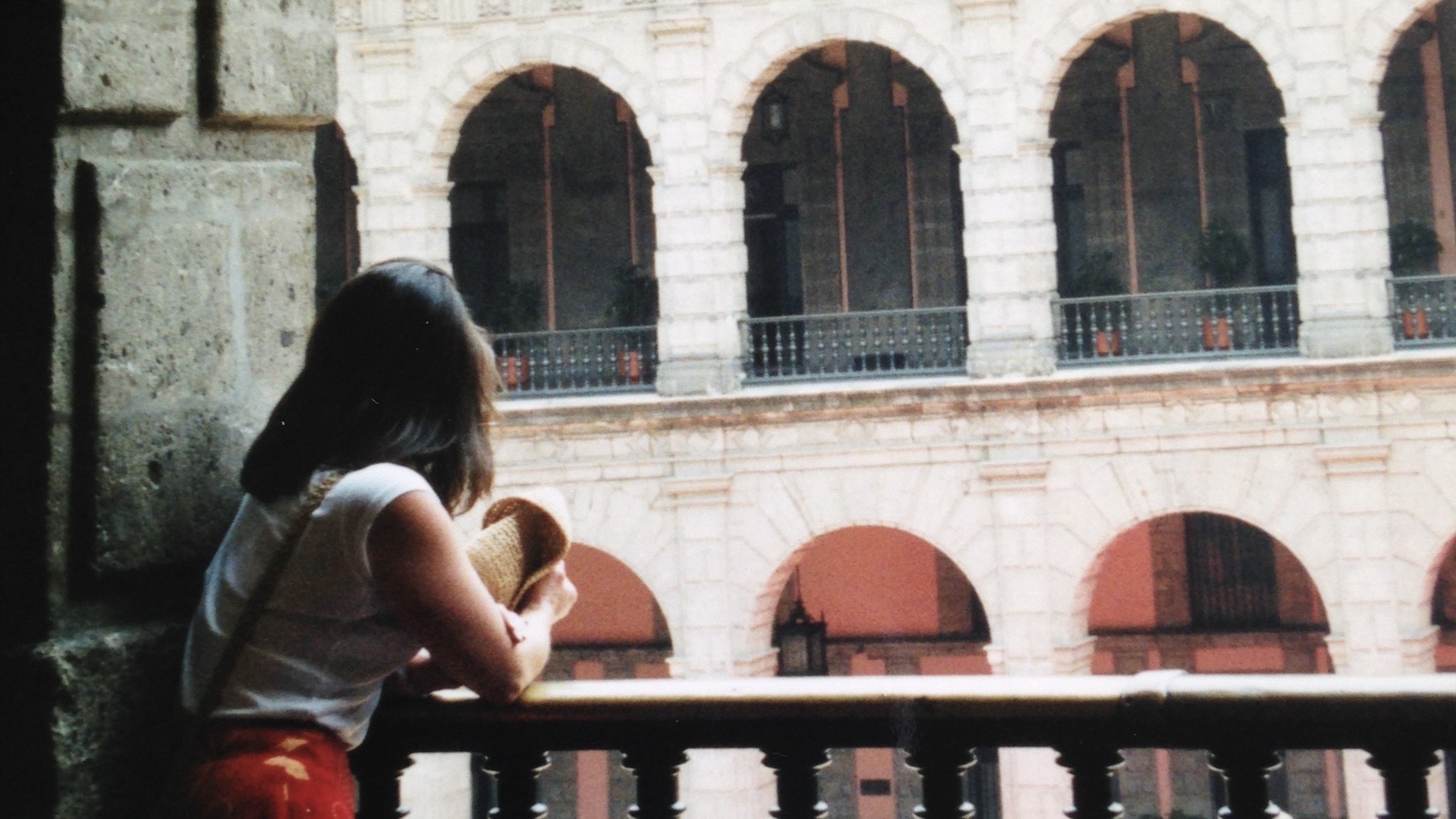
Over the years, when I talk about my work researching the psychology of home, inevitably someone will say, “Home is inside you.” Yes, I smile. This is true.
It took many years for me to experience this truth. One can know something intellectually but that is a far cry from knowing it in one’s soul; it is a huge distance from experiencing it as truth.
I haven’t spoken about this before because, honestly, the sentiment often seems too blithe, too easy, maybe even a bit smug. Often when it is said to me, it’s in the context of after all your research, surely you know that home isn’t a place – home is inside you. Maybe I’m sensitive but the message seems to imply that the answer is obvious and my research isn’t necessary: what I really need to tell people is to find home inside themselves.
Yes, but how?
My friend, Michael Kroth who writes about living profoundly, recently sent me this video of Thich Nhat Hanh speaking on the Buddhist practice of Going Home. It’s lovely. Anytime I listen to Thich Nhat Hanh, I feel calm. He says the practice is easy. Be in the here and now, be present. When you are present in the here and now, you are home. Certainly, it sounds easy. But in practice? No, I don’t think so. Sometimes the simplest things are the most difficult.
We live in a culture that is cluttered with expectations, demands, and mirages. First, we must learn to clear away this clutter: to see past our thoughts, our conveniences, our fleeting desires, our norms. This is extraordinarily difficult. The culture’s clutter is enforced in our schools, our jobs, our families, our hobbies, even in our churches. Our country’s economy depends on this clutter. And if we’re not feeding the economy, well then, are we even patriotic?
Clearing away the clutter requires solitude.
Many of us found the enforced solitude of the pandemic to be excruciating and depressing. But without solitude, how can we hear the wisdom of our soul speak? Ah! – that may indeed be the source of discomfort. If we hear our soul speak, then the clutter is no longer as enjoyable as it once was. The clutter itself begins to make us sad. And then we feel responsible to respond. And responding to what the soul needs doesn’t come easily; it often requires sacrifice, sacrifice of the clutter that comforts us temporarily and superficially. Responding to our soul requires change. We humans, no matter what we say, are terrible with change.
Yesterday, my friend Wendy Pabich, a water scientist and yogini, shared an excerpt from Manuscript Found In Accra, written by Paulo Coelho, which speaks about the need for solitude:
Without solitude, Love will not stay long by your side.
Because Love needs to rest as well, so that it can journey through the heavens and reveal itself in other forms. Without solitude, no plant or animal can survive, no soil can remain productive for any length of time, no child can learn about life, no artist can create, no work can grow and be transformed.
Solitude is not the absence of Love, but its complement.
Solitude is not the absence of company, but the moment when our soul is free to speak to us and help us decide what to do with our life.
Therefore, blessed are those who do not fear solitude, who are not afraid of their own company, who are not always desperately looking for something to do, something to amuse themselves with, something to judge.
If you are never alone, you cannot know yourself.
And if you do not know yourself, you will begin to fear the void.
But the void does not exist. A vast world lies hidden in our soul, waiting to be discovered. There it is, with all its strength intact, but it is so new and so powerful that we are afraid to acknowledge its existence. Just as Love is the divine condition, so solitude is the human condition. And for those who understand the miracle of life, those two states peacefully coexist.
If you are never alone, you cannot know yourself. If you are never alone, you cannot find home within yourself.
For many people, home is found in their family or in their spouse. And that’s okay too. There is no one right way to find home.
And – most of us, even the majority of us, will at some time be alone. Our family will be gone. Our lover will be gone. Our parents will be gone. If we have children, they, too, will be gone or far away, as will be our dearest friends. We will feel unmoored, isolated, alone. Our most constant companion will be only ourselves. Solitude will sit with us, sleep with us, and walk beside us.
If we can make friends with ourselves, be intimate with our aloneness, such solitude is not always difficult. It can, in fact, become a welcome companion.
Looking back, I realize I was alone a lot as a child. My sister is seven years older and my brother is four. The times we played together were really special and I remember them well. And maybe those times were so special, in part, because they were infrequent. More often than not, I played by myself. I have lots of memories of playing alone. I even have memories of playing in my closet, with the door closed, under the hanging clothes, and in the dark.
When I did something whoppingly bad as a kid (like set the basement on fire or steal caramels from the grocery store), my punishment was being grounded to my room. I attended school, of course, and had dinner with my family, but every evening I would be sent to my room alone well before bedtime to be by myself. I think I only did three whoppingly bad things as a child but I remember those groundings to my room as if they were many.
The worst punishment is solitary confinement. It can drive a person mad. This is why it’s used in prisons. Humans need contact. Nelson Mandela endured 27 years in prison, including solitary confinement. This wise and gentle man who led the transformation and reconciliation of his country instead of seeking revenge, even he called solitary confinement “the most forbidding aspect of prison life. There was no end and no beginning; there’s only one’s own mind, which can begin to play tricks.”
Making friends with our aloneness does not have to be this extreme. Like all things new (be it shoes, sports, a skill, or a relationship), moderation helps. Too much too quickly can be overwhelming and discouraging; too much can cause blisters.
The Buddhist author Stephen Batchelor was interviewed by Krista Tippett for On Being shortly after his book, The Art of Solitude was published in 2020, just as the Covid-19 pandemic was forcing us all into quarantine. On September 23, 2021, the podcast titled, “Finding Ease in Aloneness” was aired again.
One word they both use quite a bit is “interiority.” I love that word. To be inward. To attend to one’s interior.
When I visualize interiority, I see an anthropomorphized snail buffing the walls of her shell and hanging art, then bumping into it because the surface is curved and she cannot move without her head hitting the sharp corner of a wooden frame. Frustrated, she throws the art away. Then one day, she smudges slime into shapes on the shining gloss and that is pleasing to her. That is even fun. Eventually, she discovers flowers and moss and other natural things around her that make a kind of ink that she can work with. Now she has colors with which to draw and she does, according to her mood. Everyone else sees only the exterior of her home – a shell she picked up somewhere when she outgrew her last. She alone sees the interior. The interior is beautiful because the interior is her and this makes her happy.

How do we find home in ourselves? How do we become comfortable in our interior? There is no one way, no right way, no easy or quick way.
First, we must clear away the clutter, a little bit at a time. Release yourself from one obligation that weighs you down. Remove one distraction that does not serve your soul. Refuse an invitation that doesn’t make you feel truly excited. Stop engaging with the person who makes you sad. Stop smiling because you think you’re supposed to. Stop hoarding. Turn off the TV or the radio when you’re working or cooking. Give your brain space. Allow some thoughts to be left unsaid – let them float away and find a new thought instead. Take a walk without earbuds. Focus on your steps, focus on your surroundings, focus on your breath.
It takes practice. It takes time. It takes reinforcement.
Slowly, it will come. Contentment in the quiet. Peace in the solitude. Home inside yourself.

When A Gift Brings Us Home
This time of year, people give gifts. But the best gifts are those that transcend the holiday.
Many years ago, a guy who was trying to impress me gave me a Dooney & Bourke purse. The first problem is that I had never heard of Dooney & Bourke. Recognizing how unimpressed I was, he said, “That’s a two-to-three-hundred-dollar purse!” My response? “Well, which was it? Two hundred or three?” Cuz in my book, that’s a pretty big spread. I’ve never spent anywhere close to $100 on a purse, and I’m very particular about my purses. Which brings us to the second problem: I know what I like. If there’s not a place to hold my pens and a pocket for my phone, forget it. If it’s too heavy, forget it. Or if it’s too big or too small. In other words, don’t buy me a purse: I’ll pick out my own.
I give very few gifts these days. I use to give lots but for several reasons my enthusiasm has waned. I abhor the idea of giving or receiving a gift just because it’s the holidays or a birthday.
Typically, I don’t shop for gifts. Instead, I’m shopping for something else and a gift jumps out at me. When something reminds me of a person, makes me smile or gets me excited, and I think the recipient will feel the same way, I buy it. Doesn’t matter if I’m in a boutique store or in a thrift store. It’s the connection to the particular person that makes me buy a gift. Often, I purchase these at odd times throughout the year and then hold onto them simply because there is an expectation of giving gifts for special occasions. So I wait.
Sometimes, it’s not worth the wait. In October, I “discovered” a new bourbon and purchased it for a friend who is a cocktail connoisseur. Turns out the label wasn’t as unique as I thought. For another friend who calls Nashville hot chicken one of her favorite foods, I found a bottle of Nashville hot chicken spice. Considering the possibility that she may already have it, I decided to gather a whole box of spicy treats, including a dark chocolate bar with chili peppers. I wrapped everything early and waited. Before I could discover that the spice was indeed unique and something she didn’t have, my little dog Mazie unwrapped and ate the chocolate bar, which resulted in an emergency visit to the vet. Yeah, that was definitely not worth the wait.
On rare occasions, a gift is much more than an object, a token, or a gesture. It is an affirmation. When this happens, the gift says,
I see you.
I hear you.
I know you.
I celebrate you.
I’m grateful for all the lovely gestures from family and friends this year. The kindness of purchasing something, wrapping it, and actually mailing it to me is incredibly generous. So I’m hesitant to say what I’m about to say – I do not want to minimize their thoughtfulness or my gratitude.
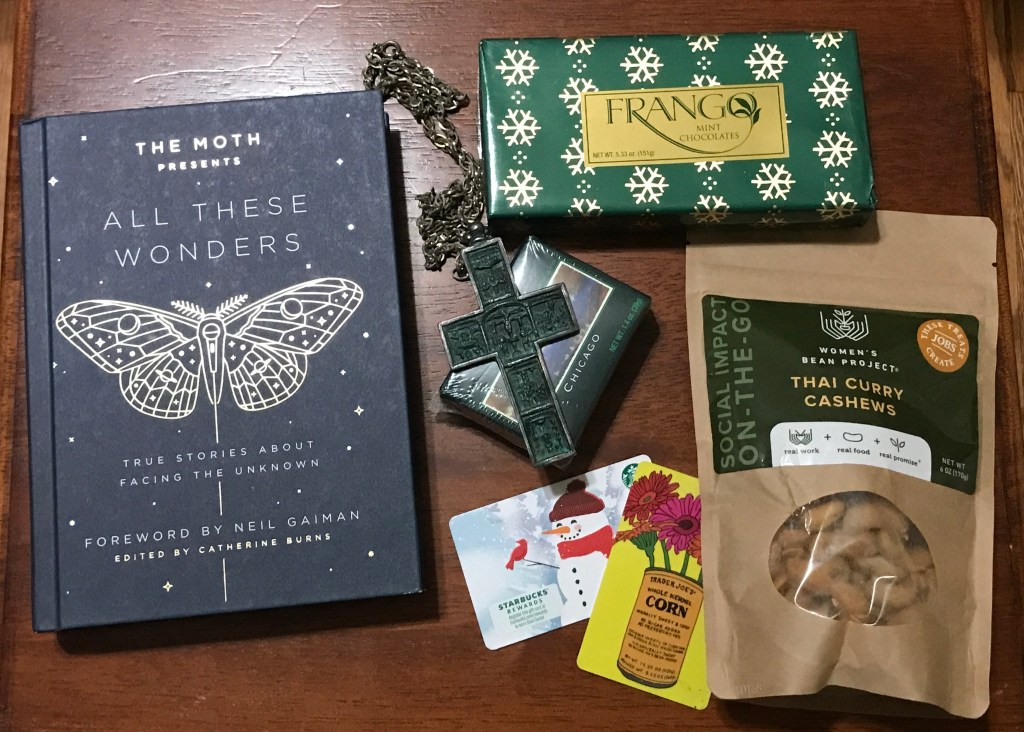
But two gifts completely surprised me. More than that, they made me feel seen, heard, known, and celebrated.
The first is a Henckels paring knife. Now maybe that seems strange. But trust me, it’s not at all like the time my aunt sent my mom a spatula for her birthday. (My mother wasn’t a baker and that was the only gift my aunt sent. Truly, it was worse than weird.)
Back in 1988 when I visited Germany for the first time, I was young, in college, working full-time, and living in an apartment above a garage. Cash was tight and the major expenses of that trip were generously paid for by my father. Being frugal with my limited funds, my souvenir purchases were limited. Mozart chocolate, yes, and an obligatory sweatshirt. Other than that, I only purchased things that I considered investments and expected would last a long time: carved wooden movable figurine bottle toppers from Bavaria, wooden ornaments, and four Henckels knives. For over thirty years, I’ve held onto these treasures.
At some point during the pandemic, the paring knife went missing. I searched everywhere to no avail. My paring knife!! All these years and to think I’d lose it inside my own home. Best guess is that I accidently threw it out. Those were fuzzy days. Maybe I swiped the remains of a charcuterie board into the trash and along went the knife. Who knows?
The point is: I must have shared this with my friend. Perhaps a conversation in passing, I really don’t know, I don’t remember. But he remembered. He heard me. He heard how much those knives mean to me, he heard my story, and he knows me well enough to know how essential a good paring knife is for so much of what I love to eat: most importantly, cheese.
And so this friend, from whom I would never expect a gift, and long after I shared my missing knife woe, gave me a new Henckels 4” paring knife.
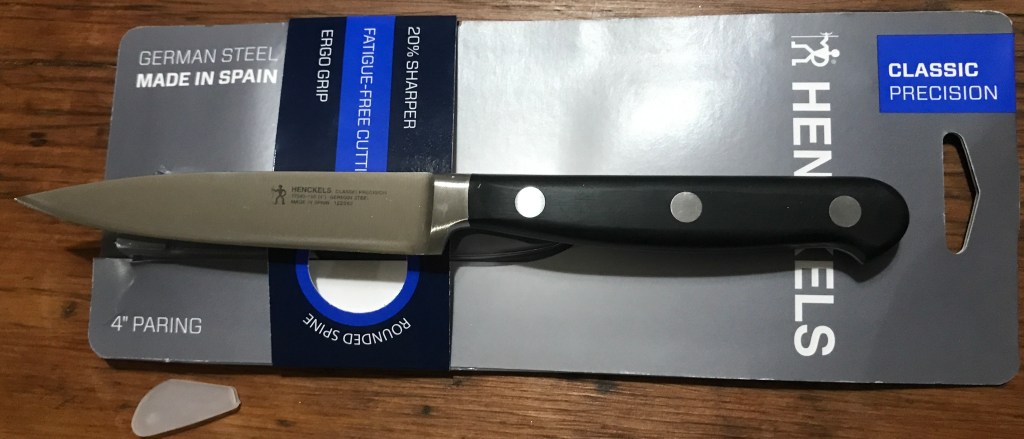
Today a package arrived from Philadelphia. Inside were homemade cookies, carefully wrapped in parchment paper and sealed in two storage bags. Now, cookies are absolutely my most favorite treat. But these cookies were even more special than most.
The last time this friend and I spoke, we discussed family holiday traditions. My friend, Claudia, has just published her wonderful piece on Cookies, Chaos, and Home, and I commented that I always loved baking cookies at this time of year and had begun doing so when I was quite young. But my current kitchen didn’t lend itself to baking. There isn’t enough counter space. I really like my little flat but the kitchen – meh. It’s functional, nowhere near optimal. And I’m okay with that, except at this time of year when I might feel more connected to Christmas if I could make cookies.
Then Ed mentioned a cookie made with dates and walnuts and I almost fell off the couch – date pinwheels!! I hadn’t made these cookies for decades, nor had I even seen them. But Ed not only knew of these cookies, he knew how to make them!
And so he did. And then he sent some to me.
As I’ve said, I always love cookies. I was excited when I saw the box. I cut the tape around the edges and made myself an Italian cup of coffee in preparation for this special treat. But when I unwrapped the cookies, I was moved in a way I didn’t expect.
These cookies brought me home. Back to memories long buried. Each bite was more than a delight. Each bite was a homecoming. I could picture myself forty years ago chopping the dates and walnuts by hand. Spreading the mixture over the dough then rolling it into a log. Chilling the log in the fridge, then carefully slicing it to reveal pinwheels. Gently transferring them onto cookie sheets and baking them. Remembering all these steps and knowing Ed went through such effort touches me deeply. These cookies, more than an edible treat, make me feel connected to my grandmother again, and to the young woman I use to be.
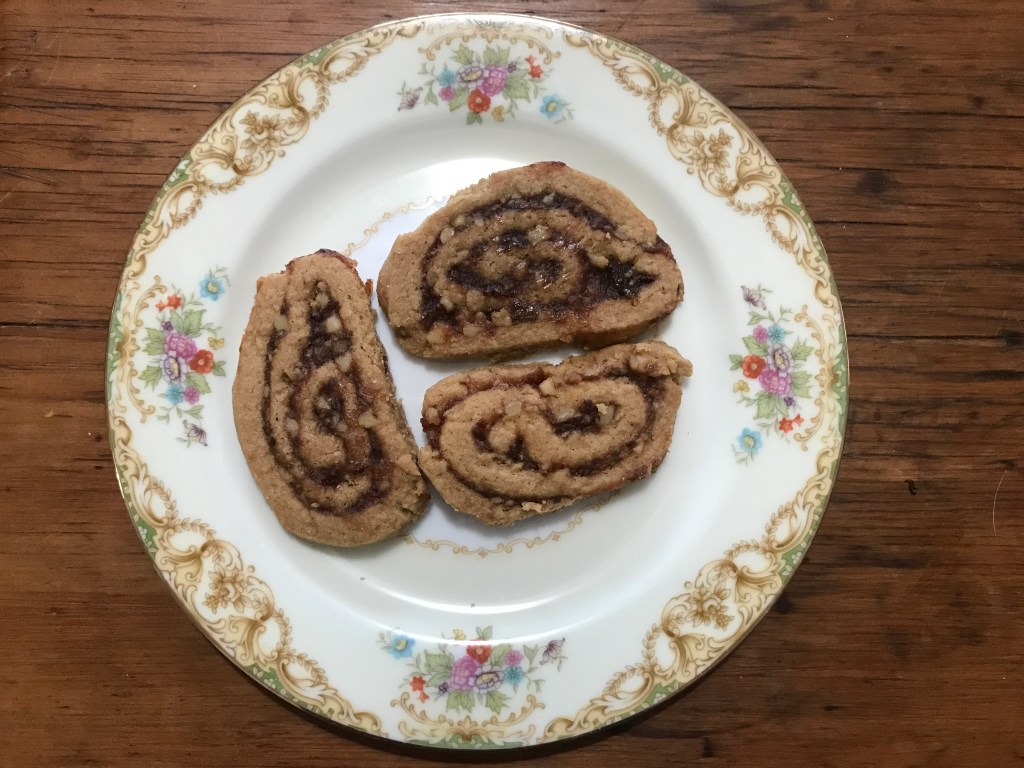
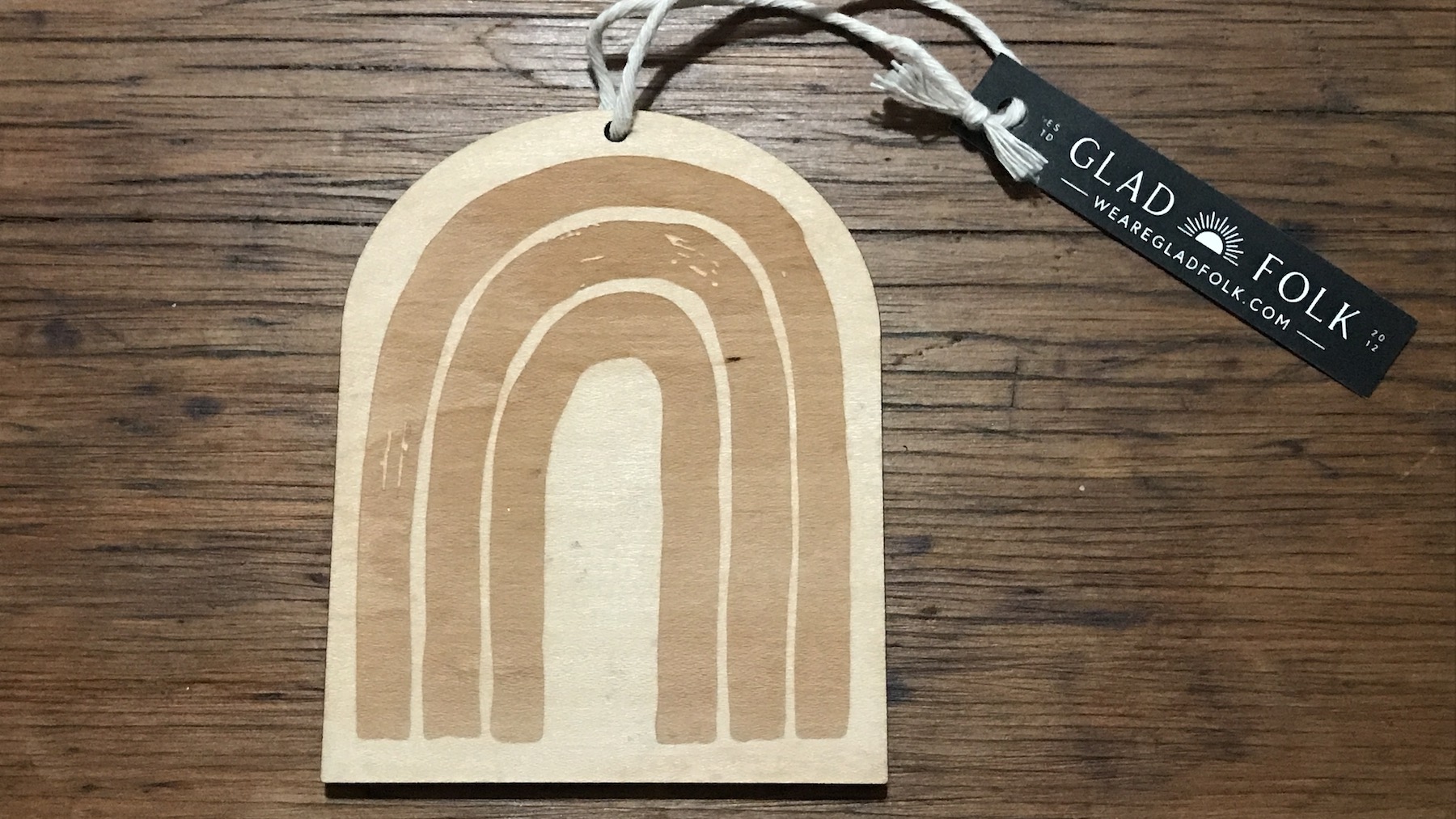
Then in addition, there was a small flat gift. I opened it to reveal a note taped to the back of an unadorned piece of wood. The note said: “Hi Jan, I spotted this and realized that it shares provenance with the logo you use. Cheers!” I turned it over and this is what I saw:

This is my logo. A rainbow. A lodging. Finding Home.
Heard. Seen. Known. Celebrated.
Sometimes a gift does all this. As a giver, you can’t be sure, you never really know in advance as thoughtful as your choosing may be. As a receiver, you’re more than surprised. You’re awed by the depth of feeling. These are the gifts that bring us home.
What gift or gifts have you received –this year or at any time in your life – that made you feel heard, seen, known, and celebrated?
Here Comes the Sun

Today is Winter Solstice. Which, just to be clear, doesn’t always fall on December 21st, but more often than not it does. Today, the Solstice came at 9:58 am CMT.
Solstice comes from the Latin word solstitium, meaning ‘Sun standing still.’ On this day, the sun appears to stand still before reversing its direction making for longer days and shorter nights.
This is my holiday. This is the day I look forward to most during this season. The ritual I follow tonight is the same I have celebrated for almost thirty years.
Tonight I will sit in a dark room and sing the hymn, Thy Strong Word Did Cleave The Darkness. Then I will light one candle and read stories of the light coming into the world.
First, from Genesis. Then perhaps how Prometheus gave fire to humans or how Raven stole the light. Or the Russian story of Vasilisa who receives the light from Baba Yaga that destroys her evil stepmother and stepsisters.
But always, always, I will read the Japanese story of the sun goddess, Amaterasu Omikami. This story continues to remind me of my worth. Of the importance of each of us to not hide, to not give into sorrow and shut ourselves away. It reminds me of the light that lives within each of us and how necessary it is to let our lights shine in the world.
Then I will listen to music, starting with two songs: Coming Out of the Dark by Gloria Estefan and Here Comes the Sun by The Beatles. And as the songs play, I will wander through my home lighting candles in each room and then pop some champagne.
Whatever you do today or tonight, I wish you a blessed and joyful Solstice. May you –unique and wonderful you – shine for all the world today and in all the days to come.
Amaterasu’s Story – by Carolyn McVickar Edwards
No one is alive anymore who can remember the time Amaterasu Omikami, the Great Woman Who Possesses Noon, took Herself into the Cave of Heaven and refused to come out. But to those who know the story, every mirror on Earth is a reminder of that tie and of the glorious moment She stepped again into the open sky, sending Her surge of strength and will again through all Life.
In those beginning times, the spirit of every living thing was called its Kami. The Kami of the mountain was lavender and long. The Kami of the trees was great and green. Animals had Kami in the shapes of swords and cups. Fish and flowers had Kami. The Kami of the rocks and the rivers were silent and calm. All the strength of these Kami poured forth from the Great Mother Sun, Amaterasu Omikami, and in Her honor was woven the great pattern of the seasons of the planting and the harvesting of rice.
Amaterasu had a brother named Susanowo. Susanowo ruled the ocean, but he was jealous of the greater power of his sister, Amaterasu. Because Amaterasu knew of his ill feeling, She was suspicious when one day her brother sent word that he was coming to visit. Though She had a feast prepared on the day Her brother was to arrive, Amaterasu also armed Herself with a quiver of ten thousand silver arrows and a giant bow of beaten gold. She planted Her feet firmly and awaited Susanowo.
Some of the Queen of Heaven’s tension melted when She saw that Her brother came bearing gifts and speaking of trust and loyalty. Together they ate, and, after the meal had been cleared away, Amaterasu covered Her brother’s hands with Her own. “How glad I am you’ve come in friendship,” said Amaterasu, Her eyes shining. “I was worried you’d come otherwise.” Susanowo loosed his hands and bowed low to his sister. “Amaterasu Omikami,” he said, “Let us forget the past. I have nothing but respect and admiration for You.”
Late into the night they talked of their love for each other, their plans for the future, and the joy of their relationship. Finally Amaterasu bid Susanowo good night and went to Her cave to sleep.
Her brother, however, did not go to bed. Instead, he sat alone at the huge table, sipping sake wine and growing increasingly angry as he compared his own power to that of his sister. The wine he was drinking slowly kindled his resolve to show his sister who was really most powerful. In the next few hours, Susanowo tore drunkenly throughout the Plain of Heaven. He piled mounds of dirt in the irrigation canals so no water could flow to the rice paddies. Not satisfied, he stomped on each and every plant until the fields were covered with broken and dying stalks. Then he took up the excrement of animals and humans and smeared it in Amaterasu’s celestial weaving house where the heavenly women wove the sacred tapestries.
In fear and anger, the Gods and Goddesses went to wake Amaterasu. When the Shining One saw what Her brother had done, a pain stabbed Her heart. Her hands hung limp at Her sides, and Her mind pictured the dinner they had shared and the words of trust and endearment they had exchanged.
“Susanowo!” Amaterasu’s voice filled the Plain of Heaven like light suddenly fills a dark room. Susanowo staggered into his sister’s presence, pulling a piebald colt on a rope behind him. He spat on the floor of the celestial palace. Amaterasu put Her hands behind Her back. “Susanowo,” She said again, “You wrong me. But I ask only that you sleep. Leave off, brother. Sleep.”
Susanowo answered by pulling the sword from his belt and whirling to plunge its blade through the heart of the colt behind him. Before the eyes of the entire heavenly court, he heaved the dead colt through the window of the palace and into the celestial weaving house below. There the carcass struck and broke the looms and sacred threads and sent several of the heavenly weavers to the Land of the Dead.
A cry of rage escaped the throat of Amaterasu Omikami. She ran from the palace and back to Her cave. Once inside, She pulled the great door tight behind Her and locked it, shutting away from Heaven Her warmth and light and plunging even the realm of Susanowo into darkness. The Gods and Goddesses of Heave caught Susanowo, punished him, and banished him from Heaven. But without Amaterasu to light the Plain of Heaven, there was only darkness. The Kami of the rice withered. The Kami of birds and animals, mountains and trees turned to gray ghosts. Life without Amaterasu was impossible.
The Gods and Goddesses gathered together to discuss how they might restore the precious Amaterasu Omikami. How to tempt Her from Her cave? How to let Her know that Susanowo had been sent away? “We must moan and grieve outside Her cave. We must shout to Her of our dead,” said some of the deities. “No,” said others, “We must remind Her of the joy She brings. We must dance for Her.” And so it was that the Dance of the Mirrors was planned. All of the ghostly Kami of the world gathered up what little strength they had left and pieces of shiny mirror. With the help of the Gods and Goddesses, they collected themselves outside the door of Amaterasu’s cave and began to make a joyful noise. Songs and jokes flew, weakly at first, and then, as the Kami began to take strength from each other, more strongly. A dance bloomed, and deep inside the Cave of Heaven Amaterasu heard the voices of Her people.
When Amaterasu cracked open the door of Her cave, a slit of Her brilliant light lit the night. When the Kami felt the surge of Life they had longed for, the dance became jubilant. Amaterasu listened and then poked Her head outside the cave. At that very moment the mirrors of all the Kami reflected back to Amaterasu her own stunning beauty and Amaterasu stepped all the way out of Her cave and into the open sky.
Once again the Kami of the mountain grew lavender and long. The Kami of the trees was once again great and green. Animals again had Kami in the shapes of swords and cups. The Kami of the fish and flowers and rocks and rivers were alive once more.
On that day the strength of all Kami poured forth from the Great Mother Sun, and in Her honor was woven the great pattern of the seasons of the planting and the harvesting of rice. And so it is to this very day.
O Holy Night

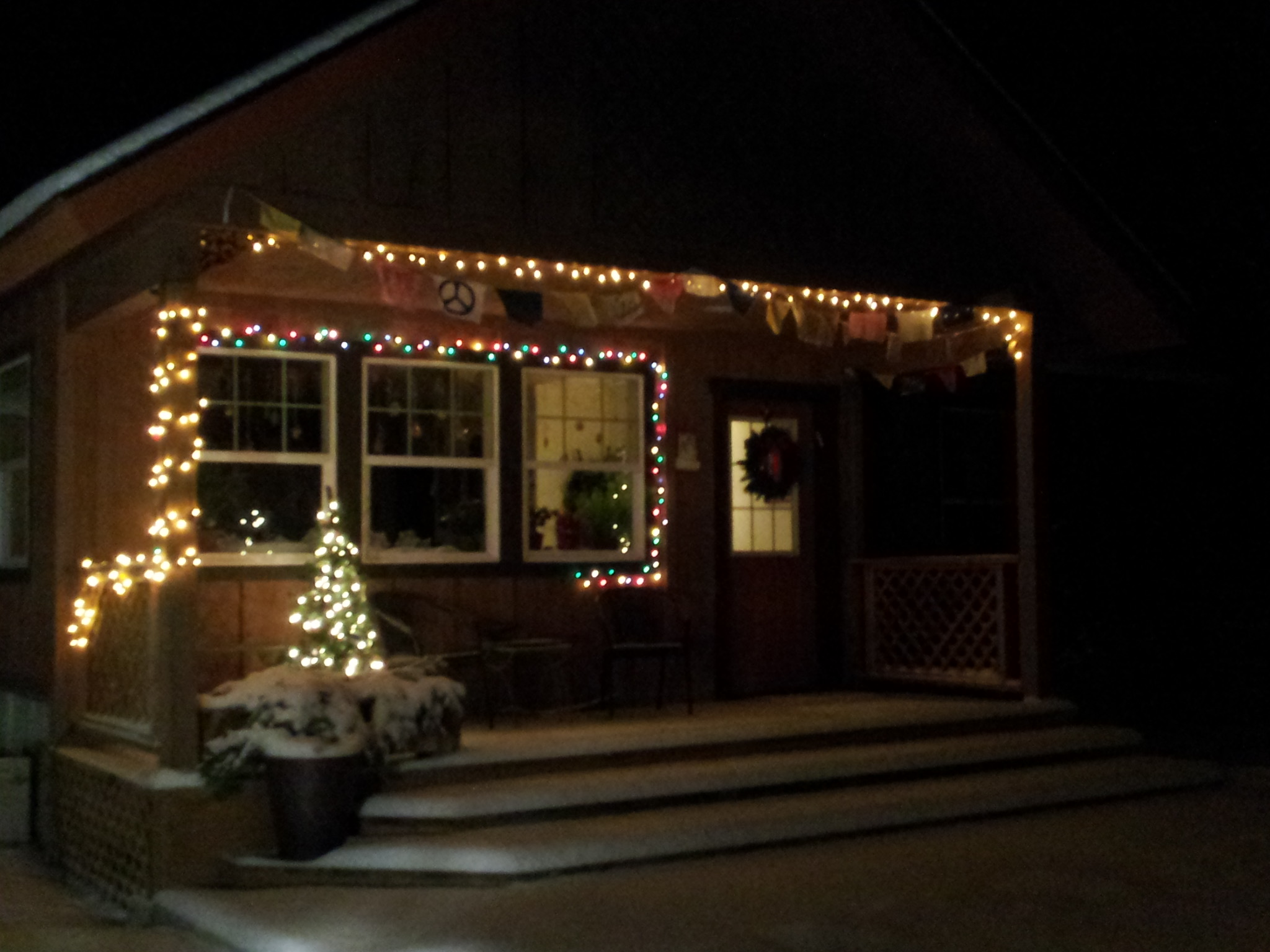
Maybe it’s cold where you are. Maybe it’s not. But wherever you are on this side of the equator, it’s dark.
The one defining aspect of this season we all experience is the early darkness and long nights.
As much as I like the peacefulness that darkness can bring, I am always tired at this time of year. Of course, circadian and seasonal rhythms. Darkness is a signal to rest, to stop our activities, to slow down, to sleep long. And that is perhaps what I like most about this season. I do so love pajamas and blankets and the comfort of my bed.
If only I didn’t resist. But I’m not alone. I resist because you resist, because our culture resists. Because December comes with parties, baking, and buying of gifts, in addition to our normal responsibilities of jobs and families. When we should be slowing down, we seem to speed up instead.
Yesterday, I was looking for something in my filing cabinets when, in the back of a drawer, a spring green folder stood out among all the beige. It was labeled “Darkness” and clearly not in alphabetical or categorical order. Intrigued and surprised by the symmetry of this discovery, inside I found a TIME Magazine cover story from 2014, profiling Barbara Brown Tayler and her memoir, Learning to Walk in the Dark. One sentence jumped out at me, where Taylor says,
“Turning in to darkness, instead of away from it, is the cure for a lot of what ails me.”
Darkness is a cure. Sometimes the only way we recover from illness is with rest and sleep. By turning in to the darkness behind our lids, by covering our eyes.
Darkness requires letting go: of control, of what we think we know.
Taylor writes,
“I have learned things in the dark that I could never have learned in the light, things that have saved my life over and over again, so that there is really only one logical conclusion. I need darkness as much as I need light.”
We do need the darkness. Darkness calls us to pay attention in ways we never do in the light.
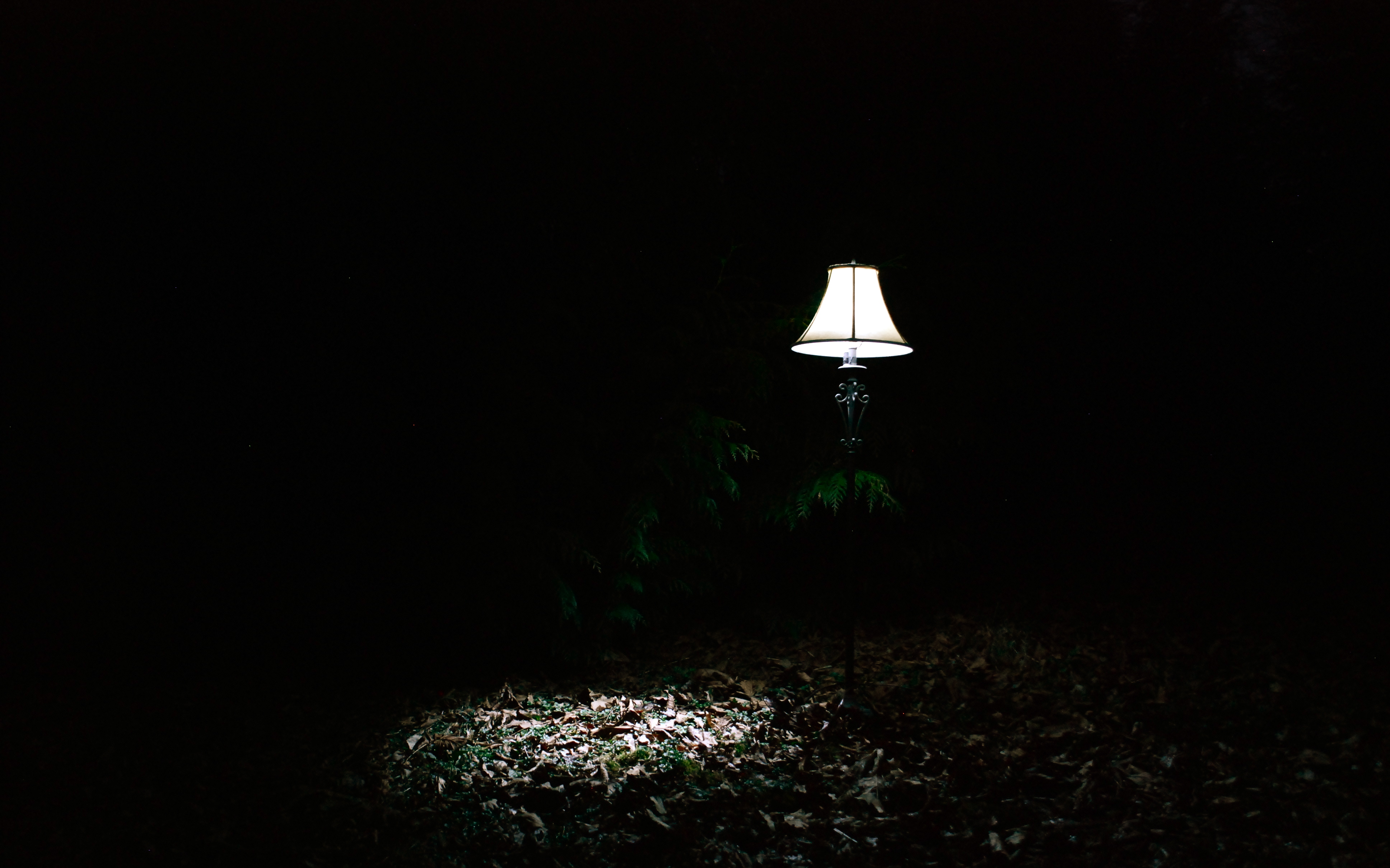
Darkness is a gift. In darkness, we discover things hidden by the light. We feel. We sense. We intuit. Darkness reveals what light cannot.
It was during the night that Jacob wrestled with an angel. This struggle which was both physical and without the benefit of obvious sight transformed him and he ceased to be who he was: out of the darkness, he became Israel.
Every beginning emerges from the dark. Every cosmology starts this way, as does every heroic achievement.
During this season of long nights, may you experience the gift of darkness. Allow yourself to sit in the stillness and in the unknown. Resist the urge to make lists and goals. Resist drinking or the distraction of your phone. Listen to the silence. O Holy Night, the stars are brightly shining. Fall on your knees. Wait and listen. Be patient. Be still.
Sit. Just sit. Eventually, the shift will come. Eventually, you will know what you need to know. Eventually, you will see. The darkness will show you.
O Holy Night, help us to embrace the gifts that you bring.
Sweet Darkness
When your eyes are tired
the world is tired also.
When your vision has gone
no part of the world can find you.
Time to go into the dark
where the night has eyes
to recognize its own.
There you can be sure
you are not beyond love.
The dark will be your womb
tonight.
The night will give you a horizon
further than you can see.
You must learn one thing.
The world was made to be free in
Give up all the other worlds
except the one to which you belong.
Sometimes it takes darkness and the sweet
confinement of your aloneness
to learn
anything or anyone
that does not bring you alive
is too small for you.
– “Sweet Darkness” by David Whyte, House of Belonging
 Jan Peppler HOME