Jan Peppler HOME
Exploring Our Connection to People and Place
Be Gentle, Be Honest, Be Kind
This newsletter is a certain kind of home for me. It is a safe place for us to communicate, to feel, to share ideas. It is more than I ever expected; a place where I am comfortable, and even encouraged, to be my authentic self. Thanks to you, my readers and friends.
Never has this been more true than this last week. Thank you to everyone who responded to my last post, I Am Not Okay. Some of you entered comments, others emailed me, a few texted or called. That post was shared more than anything else I’ve written to date. You confirmed on every level that I am not alone; we are each carrying this pain and doing our best to work through it and keep moving towards a better future.
You are my hope.
With some trepidation, I also posted this piece on LinkedIn. Doing so meant my pain would be visible to others outside of this Finding Home community. But there are many people that read my work there and maybe my words would help them know they’re not alone either. It was desperation that made me share with you. It was courage that made me share on LinkedIn.
A few responses made me question my courage.
Now, to be clear, I am incredibly fortunate that I have not yet experienced trolling. Nonetheless, two comments were unsettling.
The first was a woman in Amsterdam who said she wanted to kill herself. How does one respond to such a statement from someone they don’t know who is half the world away? As best as I could. Simply, as best as I could.
The second was from someone I know in London. I don’t really know her, we have only connected on LinkedIn over a shared love for nature. I’ve responded to some of her posts and she has responded to some of mine. Only this time, the response wasn’t positive.
I’m pretty sure she read only to the first real paragraph and then stopped. This is the paragraph where I say (a bit abruptly) that I’m okay with bows for hunting. That bows require strength and skill and bow hunters are not hunting for sport but for meat, meat they will eat.
Perhaps I didn’t adequately connect these comments to how easy it is to purchase a rifle, leading to a lot of lazy unskilled fools who hunt and wound animals. A bow hunter would never shoot from their car or a four-wheeler. None of this is to say I’m a fan of hunting but just that I understand it better from knowing those who do.
And I didn’t say that I was a vegetarian before I moved to Idaho. A real vegetarian. For twelve years I ate nothing that was a sentient being (and yes, that includes no seafood and no poultry). I wasn’t a vegan – I’m not sure I could ever give up eggs and cheese – but I was most certainly a vegetarian.
But none of this matters. It doesn’t matter that in our response and replies I became confused about the real issue she was objecting to. Was it hunting? Bows in particular? Animal cruelty? Eating animals? It didn’t matter that she most certainly hadn’t read my entire piece or that, as a Londoner, she may not have any context for what was happening in the U.S.
In the end, all that mattered was that she had been triggered, and her response was due to her caring. So the best reply I could offer was to recognize this. I told her I respected her, her feelings, and her commitment to a better world. And, finally, I repeated that I was hurting. I told her I was fragile at the moment and hoped she would understand that I couldn’t rationally continue the conversation.
She neither liked my reply nor responded to it. Only silence. And that’s okay.
I wish I could have stepped outside of my own pain to better understand hers. But at least I recognized that I couldn’t. At least I could see that she wasn’t intentionally trying to hurt me; what she cares about is essentially the same thing I care about, even if we are, at the moment, approaching it from different entries. We both want the world to be kinder. We both want less suffering and less violence for people, for animals, for the earth.
I wish I could say I always respond this way but of course, I don’t.
I work with someone who is very upfront about her mental health. She will tell you even if you don’t ask. Her struggle is intense: hearing voices, severe depression, changing medications, and trying to stay out of the hospital. I admit that sometimes her honesty feels like emotional hijacking since it can affect work decisions and our workplace dynamic. A therapist friend has even coached me on how to respond.
And – I also admire this coworker. Most notably because she continues to fight. On most days, she gets herself to work and does the work. She is pleasant and kind and sweet. And that’s admirable AF because if I were in her shoes, I might just surrender and not get out of bed.
Equally important is that she is honest about her condition. It takes courage to admit your mental state and even more courage to share it with others. Quite possibly it is this honesty that makes it possible for her to continue fighting. After all, when I shared with you, you heard me and that gave me hope.
The world would be a much better place if we were all more honest about our emotional and mental states.
If only we could just stop pretending that we’re okay. Stop ignoring our pain, our confusion, our anxiety, our fears, our doubts. Stop keeping up appearances. If we could just be more honest about our fragility… perhaps then we would become more compassionate – towards ourselves first, and then towards others.
This is still a difficult lesson for me. I hide behind the façade that I am capable and strong – which, for the most part, I am. Except that when I’m not, I hesitate to admit it. I’m afraid other’s opinion of me will change. The problem with this is that then I’m irritated when folks don’t acknowledge when I’m hurting or understand when I’m struggling. Hah! That’s entirely on me. How can others know if I don’t tell them?
The interesting thing is that when I do admit my true mental and emotional state, folks typically respond in positive ways.
Maybe someday we’ll evolve enough to always be gentle and kind, without having to know the particular struggle another person is enduring. But it’s also possible we’ll never get there unless we begin by being honest with ourselves first. Then we can be honest with each other.
Honesty is the highest form of intimacy. Intimacy is necessary to truly connect. And connection is the most essential element of home.
Thank you for being part of home for me.
The world would be a better place if we were kinder, gentler, and more honest with ourselves, as well as with each other.
I am Not Okay

Fair warning: I swear in the text below. (Photo by Lucas Metz)
My phone has been blowing up for 24 hours. Everyone asking the same thing: Are you okay?
No, I am not okay.
I am not okay with people shot in hospitals.
I am not okay with children shot in schools.
I am not okay with people shot in grocery stores.
I am not okay with people shot in places of worship. Or with people shot in clubs or people shot in movie theatres. I am not okay with people shot in their cars, in their homes, or on the street.
This is not a Dr. Seuss book. This is life and death.
I am not okay with guns. Period. There, I said it.
In Idaho, I know folks who hunt elk and deer with bows. I’m okay with bows. Those things take a lot of practice and strength. Hunting with a bow is hard work. And it’s honorable. Anyone who hunts with a bow is definitely using that meat to eat. If you want to hunt, use a bow.
I am not okay with open carry laws. I am not okay with politicians paid off by the NRA. I am not okay with a handful of citizens declaring the right to defend themselves with firearms and using the 2nd Amendment as justification for this. I am not okay with men – primarily men and particularly white men – brandishing guns because they feel threatened. I am not okay with Kyle Rittenhouse being acquitted.
I am not okay with things as they are. I am not okay with politically expedient thoughts and prayers and no policy changes.
I am not okay with arming teachers or with children, as young as three years old, having to endure active shooter drills. I am not okay with assault rifles and certainly not okay with assault rifles being sold basically anywhere and to anyone age eighteen or older.
I am not okay with guns being the number one cause of death for children in the United States. This is not okay. THIS IS NOT OKAY.
Today all of this is the cause of my anguish, heaped onto so much more.
I am not okay with elected representatives continuing to spread lies of election fraud. Or with a stalemate Senate.
I am not okay with child marriage, still legal in 44 states. Or with male Christian leaders sexually abusing women and children or with religious governing bodies covering up the abuse.
I am not okay with childcare not being valued.
I’m not okay with a failed medical system that is owned by corporations. Or with health insurance not including dental.
I am not okay with public schools that lack funding and teachers who have to pay for their own classroom supplies.
I am not okay with for-profit prisons.
I am not okay with unprecedented heat, fires, and natural disasters, all placed under the sterilized label of climate change. I am not okay with corporate greed.
I am not okay with Putin’s war on Ukraine.
Sweet Jesus, Gracious Goddess, Heavenly Father and Mother Mary, I am not okay with any of this and there’s so much more that I’m too exhausted to list.
I am one word, one image, even one breath away from tears. I blink and they come. I blink again to try and hold them back.
I am miraculously dressed and fed. And I am one step away from peeling off these clothes and going back to bed.
The weirdest, most surreal, and infinitely frustrating thing is how the world carries on. We have all agreed (passively and yet agreed nonetheless) to a cultural dictate to act like we’re okay, that everything is okay, that things are normal. We are frogs in a pot of boiling water adjusting to the heat.
But the truth is we are fried. We are boiled. We are burnt. We are over-dosed.
We are not okay.
We talk about the rise of mental illness. We blame mass shootings on mental illness. We blame crime on mental illness. I call bullshit.
We are not mentally ill. We are mentally, emotionally, and spiritually spent. We are hurting. The illness is in our society, not in our minds. You have to be mentally ill to not care. It’s our caring that hurts and our hurts not being heard that takes us over the edge. Anyone who picks up a gun and kills someone doesn’t do it out of indifference. Killing comes from emotion and our emotions are haywire because we are constantly told everything is okay when clearly it is not. Or we’re told things can’t change when they certainly can.
We are not okay.
I disavow the expectation to be okay. I will function, I will go through the motions, but I am not okay. I will force myself to publish this. I will go to work today and interact with people like a sane person. I will respond to your texts, your calls, your emails as best as I can.
But be very clear: I am not okay. I do not accept this normal. I will cry, I will swear, I will raise my voice, and I will go down fighting. Despair may have me in a headlock, my skin bruised, and my heart hacked but I will undoubtedly be back on my feet again doing whatever I can to make this world a better place. In time.
First, I need a moment to mourn. To nurse the pain, to bandage the wounds. To catch my breath.
None of this is okay, my friends. Can we please stop acting like it is?
When You Lose Your Father


My friend’s father died on Tuesday morning, just past midnight. His siblings had been sitting vigil for a week, trading places to not leave him alone. And then, he was gone.
It’s the oddest feeling when someone you love dies. When life carries on. It seems like the world should stop, if only for a moment. Everything is upside down and yet somehow the earth keeps spinning. People carry on while you feel temporarily frozen, suspended in time.
And then people call. The messages start coming. Work needs you. Nothing stops.
Losing our father is a particularly unsettling event.
When our mother dies, a sense of home is lost forever. When our father dies, a sense of world order shifts.
Our fathers are our connection to the world. They are the chieftains, the bridge to something greater. They lead the way, inspiring us to leave home. Sometimes even pushing us out of the nest, demanding that we fly, calling for our independence, believing we can be more than a child. Our fathers require us to become adults.
It’s a tough role to play. And even harder for us to accept. Especially when we are young. As children, we want to assert our independence while still relying fully on our parents to meet our every need. Mothers are more prone to play along with this while Fathers eventually say, enough.
A good Father teaches us the skills necessary to survive. He speaks the language of the world and reveals the secrets of how to navigate in it. Mother, on the other hand, speaks the language of home.
When our Mothers age and become frail, our hearts soften. It seems somehow right that we would take care of her, just as she took care of us. When our Fathers age, we are often bewildered. To see these larger-than-life beings shrink, stumble, and shake is unsettling. Our Fathers were gods. And then, suddenly, they aren’t. They no longer leave the house, they wander from room to room, mumbling under their breath, and watch too much TV. Their world has shrunk and with it, so has ours. We discover our fathers as people we never knew. There is perhaps a newfound passion for something that once escaped them, a passion that was once reserved for work. If we’re lucky, there is humor and a new lightness, a falling away of formality and seriousness. If we’re not lucky, they become rigid, mean, and more distant.
A Mother’s death can leave us inconsolable, while Father’s death is sobering. Now, who is in charge? Who will lead the way? We are, we will, and we must. It’s all up to us now. We are the new chieftains. We carry on.
Maybe this sounds nothing like your experience. Maybe your relationship with Father was painful and there are wounds that never healed.
One week after my father died, I attended a New Year’s Eve party and a woman I did not know told me she had heard the news. “Were you close to your dad?” she asked. Yes. Very. “You’re lucky,” she said. “My dad was an asshole who abused me.” I flinched. And then I walked away.
I never considered my father a god or infallible. From a very young age, I was indelibly aware of how human he was. And still, I saw him through the eyes of a child, a child who loved him dearly. I stood by him, elevated him, and judged him as only a child can do. It was many, many, years before I could look at him honestly, through mature eyes, as one who has lived, loved, struggled, and hurt. The more I accepted his flaws, the more I recognized his goodness and his yearning. The man he was. Not perfect, but still my dad. My father who loved me. I am, undeniably, who I am today, in large part, because of him. Losing him, when I was just shy of twenty-five, was unbelievably hard. The grief consumed me for years and it was decades before it stopped visiting me regularly on holidays like an unwelcomed friend.
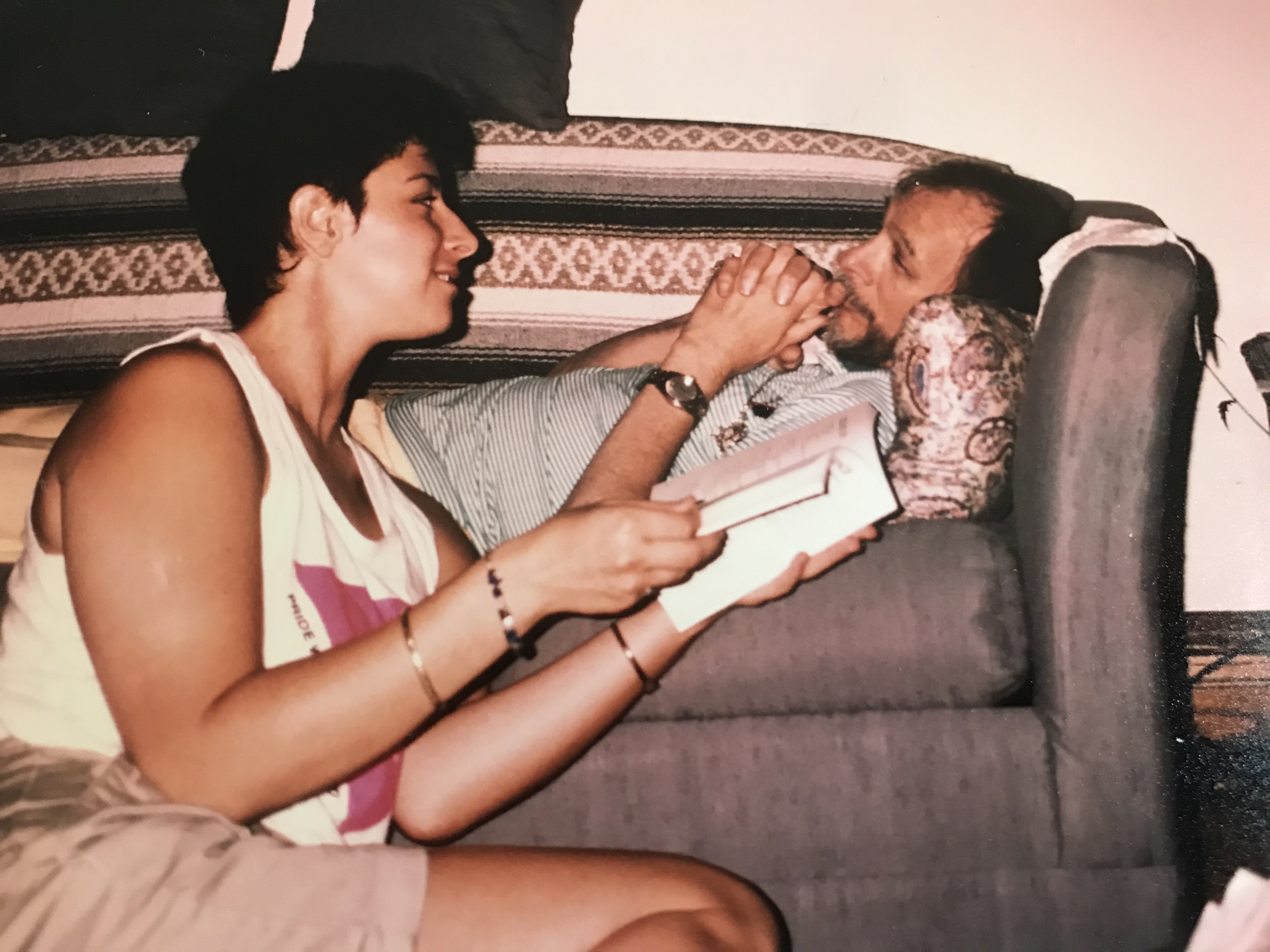

I wonder what it would have been like to see him grow old. His world shrunk so much in his last months, when he was only fifty-six. Would it have been better or worse if he had lived until age eighty? And who would I be if he had? His dying was the catalyst for so much of what I’ve done. In his death, as in his life, he was my teacher. He was my bridge to a world beyond home. Having walked that bridge, I discovered more than I could have possibly imagined. My only sadness now is wishing he could have been around to see it.


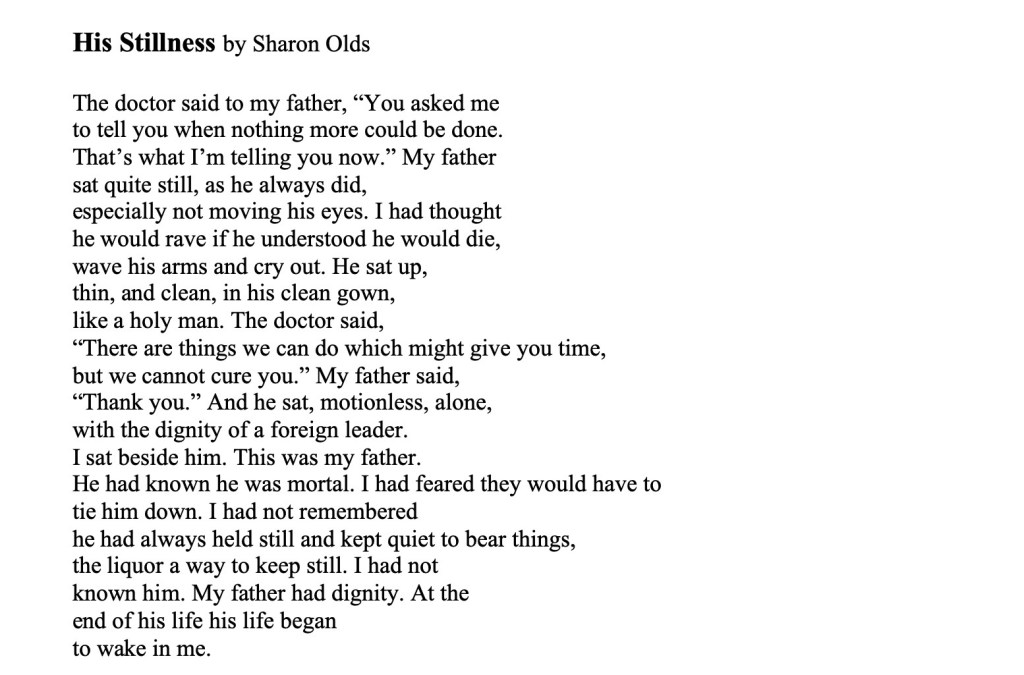
What has your relationship with your father been like? If he’s gone, has your understanding of him changed?
Leave a comment below. I’d love to hear from you.
1-Euro Homes: The House I Love But Can’t Buy

In my last post about 1-euro homes, I mentioned how Lorraine Bracco purchased a home for 1-euro and, after starting with a renovation budget of $145,000, the project ended up costing her more like $250,000. That’s a huge difference from budget to reality. Even if I had the money, I wouldn’t want to risk that kind of increase in expense. And, let’s face it, I don’t have that money.
But, in Bracco’s three-part series, My Big Italian Adventure, she casually mentions (almost in passing) that she wanted more space than the 1-euro home and was able to purchase the home next door for only 40,000 euros. Homes in Italy are built with adjoining walls, so this allowed her to expand quite easily by simply knocking through the wall. What intrigued me most about this, however, is that you can (theoretically) buy a habitable home at a very affordable price and update it while you live there. Now that is more in line with my budget and stamina!
THIS was an idea I could work with! One of the problems with 1-euro homes is that they are completely uninhabitable. This means you have to find another lodging – and pay for that other lodging – while you are renovating. That’s an additional cost that you need to factor into your budget. It also means that all the renovation basically needs to be done at the same time.
Whereas, if you purchase a home that is habitable, you can do renovations bit by bit. Maybe even do some of the work yourself. At least the house is already connected to city services (plumbing, sewer, electricity) and there is a working kitchen and a full bathroom.
With this idea lodged in my brain, I abandoned the dream of a 1-euro home and began searching for habitable Sicilian houses on the market for 20,000 to 50,000. Obviously, the cheaper the property, the more work that needs to be done. Meanwhile, I reached out to a dear friend and asked if he might be interested in investing in a property with me.
A year later, when he agreed to visit Italy with me, one goal of the trip was to see some potential properties for purchase. Because I had already visited Sambuca di Sicilia a few times in 2020, made some friends, and connected with the deputy mayor who started the 1-euro auction in that town, it was a given that Sambuca would be the first place to look.
The town of Sambuca di Sicilia wasn’t familiar to me in 2020. I hadn’t paid any attention to any of the 1-euro towns in Sicily. I was only looking at 1-euro homes on the mainland. Sicily was so remote, so far away. I wanted to visit, I wanted to spend time there, but I had no intention would live there. But that was before I spent three months in Sicily! Now things have changed. Sicily is where I want to live.
So, on February 19, 2022, we arrived in Sambuca and immediately stopped to visit with some friends, the owners of Bar Caruso.
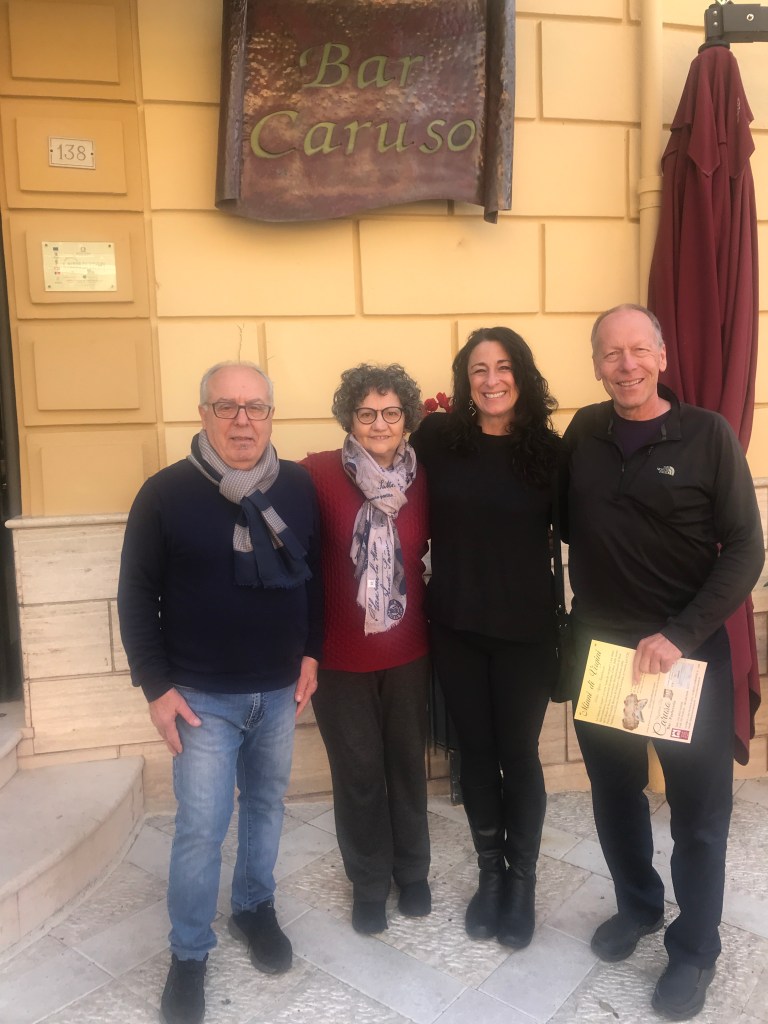
After a round of pastries and coffee, we went for a walk. It was interesting to see how much had changed since 2020, how many buildings had been rehabbed., including the 1-euro home next to the belvedere steps which was purchased and renovated by Airbnb.
We stopped by my favorite home in Sambuca, owned by Giuseppe. The inside still needs to be renovated but I love the outside just as it is!
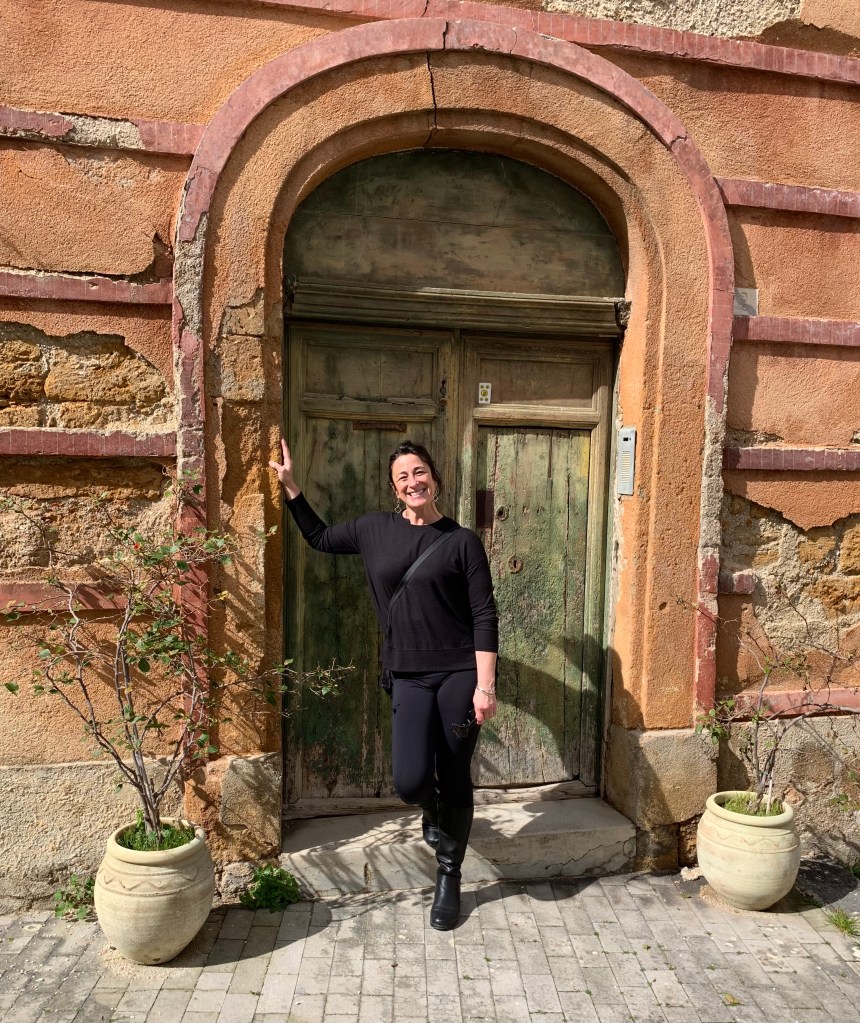
Another stop was at the home where I stayed for six nights in 2020. While admiring it from the outside, we noticed that the property next door had a “For Sale” sign.
Two men standing outside asked if we wanted to see it. Sure enough, they had the keys and we readily agreed! The immediate appeal, before even stepping inside, is that I know the neighbor to the left because I had stayed in her home in 2020. As I’ve mentioned before, houses in Italy typically share one or two walls with other homes. So it helps to know who your neighbors are. Especially if, like me, you have an aversion to noise! The other bonus is the location in town – just off upper main street, close to the belvedere and downtown, in the old Arab Quarter.
The house has only four rooms, two on the ground floor and two on the first floor. Historically, the kitchen is always on the ground floor, along with a sleeping area for Nonna (grandmother), who rules the kitchen.
So here’s what we saw when we entered: you walk down a few steps and this is the ground floor consisting of two rooms and a bathroom. Honestly, I didn’t even look in the bathroom – not sure why. The first room is what I would make into a living room.


The second room is the kitchen. Or, what would be the kitchen, once you installed it.

Looks great, right? It looks like mostly only cosmetic changes would need to be made. Like painting and removing the tile from the kitchen walls. I’m also not a fan of the floor tile but I’m told it is historical, though maybe dating back only sixty to seventy years.
Then you climb back up those few stairs, turn the corner and climb to the 1st floor.

This is where I was gobsmacked. Upstairs stole my heart! Look at the gorgeous historical tile in each room! Look at the pocket envelope ceilings!


There is a sweet door between the two rooms. Obviously, the second room would be a bedroom. The first room perhaps my study / library / writing room. Did I mention how much I love the ceilings? You can’t really see them in these photos but they’re lovely. Okay, the lights would have to go, but that’s not a big deal.
Our guides were a realtor and an architect from Palermo. Neither spoke any English so we communicated through Google translate. The realtor emphasized that while the house was small, we could put a terrace on the roof. This is always a wonderful feature of Italian homes. Except when we opened the door to the stairway, there was the toilet and a small sink! Very funny! After the realtor saw that, he didn’t take us up.
Obviously, the toilet and sink would have to be moved. Not a problem. It would be easy to install a bathroom in the bedroom, just above the kitchen.
I love this little house! It’s a perfect size for just me. Of course, this means I would have to give up my dream of living with others, at least temporarily. With a place this adorable, I could get myself to Sicily first and then figure out how to get friends to move there as well.
Did I mention how much I loved the ceilings and the floor tiles? And the asking price? 30,000 euros. I couldn’t believe it! Fantastic! We had found my home!
But there was a catch.
Moisture. The most fantastic display of moss on the walls. Artistically, I admired them. Yet admittedly, they also freaked me out. I couldn’t bring myself to take a picture of them straight on – but you can see some of it in the photos I did take.

The realtor said, yes, the moisture was coming from the abandoned house on the other side. Yes, it could be fixed but it would have to be fixed from the other side. Okay. I mean, for 30,000 euros there was bound to be a problem, right?
Except that the mold problem is worse than the realtor admitted. When I mentioned the home to Giuseppe, he shook his head. “Stay away from that house,” he said. Why? “The moisture. Too much moisture.” But surely it can be fixed, yes? He shook his head.
The abandoned house, which the realtor claimed was the source of the moisture problem, is owned by eight people. Inheritance laws in Italy are partially to blame for the inventory of abandoned homes. Family automatically inherits property when the owner dies. Which can mean a home that hasn’t been occupied in fifty or more years can be owned by siblings and cousins of the second and third generation, with possibly none of them living in the area or even in Sicily.
On top of that, Giuseppe said 30,000 euros was too much. That home should sell for maybe 15,000. Even better! (I thought.) No, he said. “You do not want that house.”
Except that I do. I don’t want the mold but I do love this house. I can’t get it out of my mind.
We looked at two other homes in Sambuca after this one, both much larger, one for the same price and one for quite a bit more. I’ll show you those in my next installment of 1-Euro Homes or (probably better named) Purchasing Property in Italy.
What do you think? Would you accept the wisdom and advice of Giuseppe who is an architect and the founder of the 1-Euro home auction in Sambuca or would you forge ahead and buy it anyway?
I’d love to hear your thoughts. Leave me a comment below!
Rethinking Mother’s Day
For all the mothers who will be celebrating on Sunday, I see you. I appreciate you. I applaud you. You deserve recognition.
And, I know that you’re more than a mom. You’re an amazing, incredible person. For that, you deserve for recognition. For surviving and thriving in a world where you are continually seen as less than men, paid less than men, promoted less than men, protected less than men, quantified as less than men, harassed, abused, belittled, and projected upon with the needs, desires, and insecurities of men, well, you deserve recognition for that too.
Mother’s Day is a celebration of ALL women, regardless of whether or not someone calls you mom.
You’re not sure of that? You think today is just for women who birthed babies and raised kids? Let’s take a look.
The first celebrations of mothers go way back. Way, way, back.
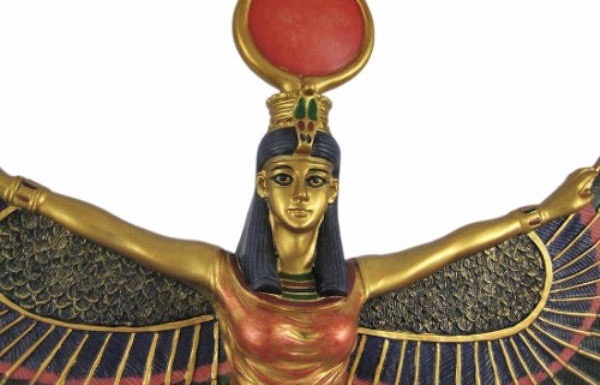
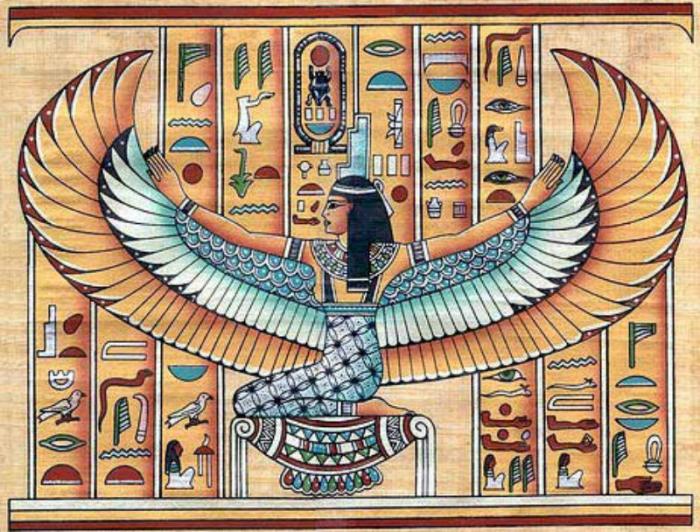
Ancient Egyptians celebrated Isis, the ideal mother and wife. When her husband Osiris was murdered and hacked into pieces (gruesome, yes), she gathered all the pieces that had been scattered and put them back together. Except one crucial piece was missing, so she fashioned it out of wax. And then, for one brief moment, her husband came back to life, they coupled, and she became pregnant. (I don’t really need to explain the symbolism here, do I? How the vitalizing force—the missing part—of Osiris only comes alive with the manual attention of Isis? You caught that, yes?)
It’s hard to deny that Isis was a dedicated wife, an extremely clever female, and possessive of magical powers. This unusual coupling produced a son whom she cunningly managed to get on the throne, making him the king of the gods. Isis went the extra mile for both her husband and her child. In a greater sense, she did this all for humanity. For without her efforts, humankind would not exist. It’s no wonder that she is worshiped as Queen of Heaven, the Great Mother of all. She is one of the greatest deities in the ancient Egyptian religion. While there may have been a festival at the end of each year that celebrated Isis, far more important is how she was worshiped daily.
Similarly, the ancient Greeks celebrated Rhea as the goddess of motherhood and fertility. It’s interesting that they didn’t worship Gaia the same way since Gaia was the first mother, Mother Earth, and therefore Rhea’s mother. But Gaia does have an important role to play as Grandmother, and we’ll get to that in a second.
It is said that Rhea loved her children unconditionally, as her mother Gaia did. Which, let’s be honest, is what we expect of mothers. But Rhea didn’t really have any time to spend with her children because her husband, Cronus, would swallow each child as soon as they were born. Cronos was afraid one of his kids might become more powerful than he and would usurp his position (as he had with his father), so he determined it was best to be rid of them straight away.
But Rhea, with the help of her mother Gaia, tricked Cronos and when her last child, Zeus, was born, she gave him a large stone in swaddling to swallow instead. I think you’d have to be pretty dim-witted to mistake a stone for a baby, but that’s how these myths go. Anyway, Grandmother Gaia smuggled Zeus away and, with the help of some nymphs and giants, she kept him safe. When Zeus was fully grown, he disguised himself as a cupbearer and brought Cronos a drink that made him vomit up the other children, who each came flapping out like fish on a deck, fully grown.
So this is how Rhea came to be celebrated as the goddess of fertility and motherhood. Her children were the first Olympians, with Zeus as the king. Naturally, they wouldn’t elevate the mother of the Titans who had been defeated. Instead, they revered the gods and goddesses of Mt. Olympus, and Rhea was honored as the mother of these gods.

In Roman times, Cybele was celebrated as the Magna Mater– the Great Goddess. Cybele was a healer and protector and was responsible for every aspect of life from birth to death. She was the “resurrector” and a festival was held in her honor each spring. (The myth around her “resurrection” power, like Isis, has to do with a man and that’s all I’ll say about that.)
It’s worth noting, that Isis, Rhea, and Cybele were more than mothers. They were clever. They were industrious. They were creative. Their efforts benefitted not themselves alone or their husbands but all of creation.
Mother’s Day, as celebrated in the United States, was concocted by Anna Jarvis in 1908. Ms. Jarvis grew up in a blatantly patriarchal culture that refused to recognize the value of women. But she experienced first-hand how powerful women could be.
Ms. Jarvis’ mother, Anna Reeves Jarvis, gave birth to thirteen children, of which only four survived to adulthood. She was the wife of a minister, a community organizer, and an activist. Anna Reeves Jarvis first conceived of Mother’s Day as clubs that educated women on how to properly care for their children. She then fashioned these clubs to become the force behind Mothers’ Friendship Day, a peace movement that sought to heal the divisions in our country after the Civil War.
Around the same time, Julia Ward Howe, an abolitionist and suffragette, wrote the “Mother’s Day Proclamation” which called on all mothers to promote world peace. Meanwhile, Juliet Calhoun Blakely organized a Mother’s Day in Michigan, seemingly to encourage mothers to support the temperance movement.
This was an era of tremendous social change and Anna Jarvis saw women all around her making significant contributions that reached beyond their families.
So on the first anniversary of her mother’s death, Ms. Jarvis, who never married and never had children of her own, organized the first Mother’s Day. The intention was to recognize the sacrifices her mother had made, as well as the sacrifices made by so many other women who worked to create a better world.
Her idea was simple: Honor women with their own national holiday (since all holidays were then, and still are,* in celebration of men). People were to spend the day with their mothers, attend church services, and wear a white carnation (or red carnation if their mother was deceased).

But when the holiday quickly became commercialized, Anna Jarvis was incensed. She spoke out against candy companies and florists who hawked sales. She even funded several lawsuits against organizations that used the name “Mother’s Day.” Remember, all companies were owned by men. So the folks commercializing the holiday were men. Men who were trying to make a profit, once more, on the backs of women. No wonder Ms. Jarvis was outraged. These same men were refusing women the right to vote. By commercializing Mother’s Day, they were missing the point and attempting to keep women in very narrow roles. The day wasn’t a saccharine nod to women who nursed children, cooked meals, and kept house. Mother’s Day was intended as a recognition of how much women do and how much they sacrifice – all for the benefit of others.
Until recently, most women could not escape having children. Women have always been viewed as property, defined according to their relationship to men. Women had to marry, except in very unusual circumstances when they had their own wealth or when they were expected to take care of their aging parents. Marriage naturally resulted in children, regardless of whether this was the woman’s wish. Only in the 20th Century did this begin to change. Yet still today we are struggling against a culturally indentured view of women: women as baby-makers and house keepers.
We’ve forgotten what ancient civilizations knew and what Anne Jarvis intended as the purpose of this day. Women are powerful. Women are magical. Women are smart and industrious, persistent and determined. Women sacrifice, women fight, women bleed, women create, and the world could not exist without them.

What if Katherine Johnson had never pursued math and successfully calculated the trajectory for the first moon landing? If Eleanor Roosevelt hadn’t championed human rights? If Golda Meir hadn’t been the Prime Minister of Israel or Angela Merkel the chancellor of Germany?
What if Yvonne Brill had not invented the propulsion system that keeps communication satellites from falling out of orbit? If Ada Lovelace had not written the first computer program?
If Harriet Williams Russell Strong had never invented the modern dam and designed water irrigation systems? Or if Patricia Bath had not invented the tool and procedure for removing cataracts?
What if the Bronte sisters, Mary Shelly, Virginia Woolf, Mary Oliver, Maya Angelou, Alice Walker and so, so, SO MANY other women hadn’t written their stories and poems?
Aw heck, what if Ruth Graves Wakefield hadn’t invented the original Toll House chocolate chip cookie and Caresse Crosby hadn’t invented the bra? The point is, the list goes on and on. Women have made huge contributions to society, and continue to each day.
All of these women sacrificed things in order to make the world a better place. Women today still sacrifice for the sake of others. We sacrifice our dignity, our safety, our self-care, our time. We sacrifice financial security, we sacrifice our dreams. Women are the number one caregivers of the elderly and sick. Women constitute 75% of all teachers. Women are the dominant force of child care both in and outside the home.
Mother’s Day is a recognition of women. All women. Clever women. Hard-working women. Creative women. Loving women. Women, who just by virtue of their sex, are powerful and magical creatures. Mother’s Day is a celebration of all the ways in which women sacrifice themselves for creation.
So, to every woman out there, Happy Mother’s Day! I see you, I appreciate you, I applaud you. You are a magical, wonderful, loving, creative creature and today we celebrate YOU.

Post Script: This was a long read, so I understand if you’re done. But I want to share a few personal examples for this day.
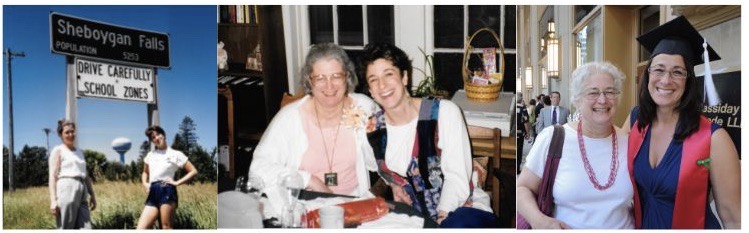
- My mom had her first child in 1959, when she was twenty-five years old, and her second child three years later. I’m not sure my mother really wanted to have kids, which is, in part, why she waited. Then her husband left her when the second child was born. After she married her second husband, I was born, either by accident or by divine intervention. My mother sacrificed a lot for us three kids and was proud of each of us. And – I think what my mom wanted most was to be known for was her intelligence, her talent, and her accomplishments. She had a Mensa IQ and was an accomplished organist and poet. She was an author, not only of two books that sold well but also of a Sunday School series that became standard in the Missouri Lutheran Church. She could be extraordinarily compassionate and I know of many who found her love, wisdom, and words to have a profound impact on their lives. In this way, just as much as her relationship with me and my siblings, she was a wonderful mother. On Mother’s Day and every day, I hold her in my heart.
- My friend Karen-Lee has been a volunteer reading tutor for two years with Reading Partners. This year, just like last, her third-grade student became very attached to her. Since all tutoring has been online, she went out of her way to meet him in person twice. Both times, he wanted a hug. He wanted to stay in touch and wanted her as his tutor again next year. She made an impact. A real impact beyond helping him read. Does it matter that she, herself, has three children or none? No. What matters is that she gave of her time and her energy and her talent to help a child. Every child is our future. When we help children, we help the world. This Sunday, I’m celebrating Karen-Lee.
- My stepmom, Judy, worked for HUD (Housing and Urban Development) for most of her career, along with serving as a liturgist and choir member at church. After retiring, she worked for Lutheran Child and Family Services. Was she on the front lines? No. But her work was incredibly important. Did she help raise me? No, not really. But her presence made a difference in my life in so many wonderful ways. She has loved, embraced, and encouraged me for four decades. She is a source of delight and I am grateful for her and to her. On Sunday and every day, I celebrate Judy.
There are many ways to be a mom and many ways to mother.
* Yes, we now also have International Women’s Day on March 8. But this is not a nationally recognized holiday in the United States. President’s Day is a public holiday (which honors specifically two dead men) as is Columbus Day (which thankfully is slowly becoming Indigenous Peoples Day). Memorial Day and Veterans Day are also public holidays that were originally designed in celebration of men. Hey, I’m not knocking any of these holidays, I’m just saying that even if International Women’s Day did become a national holiday, having two celebrations of the female sex is not exactly going overboard.
If you like this post, consider supporting my work with a one-time donation. Thank you!
If you enjoy JanPepplerHOME, consider making a monthly donation. Thank you!
Your annual gift is a wonderful way to celebrate Mother’s Day. Thank you for your support!
Choose an amount
Or enter a custom amount
Your gift is greatly appreciated!
Your gift is greatly appreciated.
Your gift is greatly appreciated! You help make JanPepplerHOME possible!
DonateDonate monthlyDonate yearlyFor the Love of Trees

My backyard has one large tree in the center of it. I look at it every day, first from my bedroom windows and then when I let Mazie out in the yard. Every day I sit in a chair while she romps on the grass and I stare with admiration and gratefulness at this big beautiful tree.
She is regal and strong. In all the years that I’ve been lucky enough to share space with her, she has repeatedly tried to shed what she doesn’t need. She routinely solicits the wind in this effort and when the wind obliges, weak and dead limbs fall to the ground and clutter the grass. Only last fall did my landlord finally have her pruned. The tree is grateful. She stands taller now, her healthy limbs reaching for the sky. And her leaves seem a brighter shade of green.
Am I anthropomorphizing this tree? Of course.
Trees have much to teach us.
When I think of the wisdom of trees, I think of the Bodhi tree under which Siddhartha Gautama sat and achieve enlightenment, becoming Buddha.

I think of Treebeard, from Tolkien’s Lord of the Rings, the leader of the ancient guardians of the forest, shepherds of trees. He and his kind are tree-like beings with conscious thought. They are Ents and keep to themselves. Treebeard says,
I do not like worrying about the future. I am not altogether on anybody’s side, because nobody is altogether on my side, if you understand me: nobody cares for the woods as I care for them, not even Elves nowadays.
And so he and the other Ents stay out of the battle for Middle Earth, until he learns that the wizard Saruman is decimating the forest to support his domination. Then he calls together all the other Ents and they march on Saruman’s land, providing the crucial help needed to defeat this evil foe.
When I think of the nature of trees, I think of the great Buddhist monk, teacher, and peace activist, Thich Nhat Hanh who wrote:
I know that in our previous life we were trees, and even in this life we continue to be trees. Without trees, we cannot have people, therefore trees and people inter-are. We are trees, and air, bushes and clouds. If trees cannot survive, humankind is not going to survive either. We get sick because we have damaged our own environment, and we are in mental anguish because we are so far away from our true mother, Mother Nature.
“The Last Tree,” Dharma Gaia, p 218, 1990
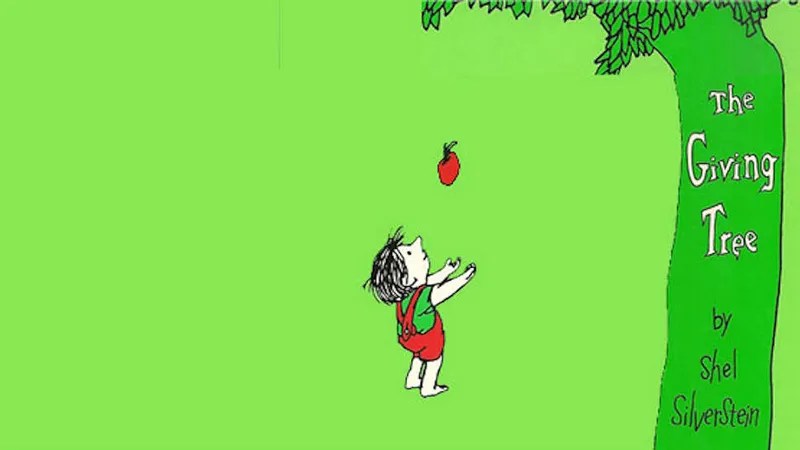
When I think of the love of trees, I think of The Giving Tree by Shel Silverstein. This tree loves a little boy so much that she gives him everything she has: apples, play, and shade. Eventually, she gives her branches and even her trunk, until she is nothing but a stump. Even then, she continues to serve. This story makes me sad. The boy is all of us: a culture consumed with taking, cutting, using. Perhaps only considering the effect of our actions until it is too late, until there is nothing more the tree can give or no more trees to give.
When I think of the holiness of trees, I think of Black Elk from the Oglala Sioux and his sacred vision as a child of nine:
Then I was standing on the highest mountain of them all, and round about beneath me was the whole hoop of the world. And while I stood there, I saw more than I can tell and I understood more than I saw; for I was seeing in a sacred manner the shapes of all things in the spirit, and the shape of all shapes as they must live together like one being. And I saw that the sacred hoop of my people was one of many hoops that made one circle, wide as daylight and as starlight, and in the center grew one mighty flowering tree to shelter all the children of one mother and one father. And I saw that it was holy.
Black Elk Speaks, p 33, 2008
When I think of the life of trees, I remember how the Amazon breathes. Backpacking in Venezuela, looking out over the Brazilian forest, the wind coming from behind me as the earth inhaled and macaws flew overhead beneath a full moon on Beltane. And in the morning, looking down on her again, the trees exhaled and their breath blew up into my face.
At my home in Idaho, I planted every tree in my backyard, creating a garden where there had only been dirt and weeds. First in the ground were Aspens, meant to be a wind block. I didn’t even think of naming them. They stood there, always present and in the background, much like the chorus in a Greek play.
Then came Scarlet, the first to be named, just a tiny bareroot sapling. We nearly lost her that first winter to the cold, poor thing. In subsequent years, I would encircle her with chicken wire stuffed with fallen Aspen leaves to protect her. Nine summers later, she had grown into a beautiful Scarlet Red Maple bound to outlast the Aspens behind her.
Then came Lucious Lucy and Summercrisp Sam. Purchased as a pair of pears to pollinate, Lucy grew wide and Sam grew tall. When only Lucy bore fruit, you had to admit they lived up to their gendered names.


Next was Royal, the miniature plum tree who provided a tiny bit of shade and lots of small oval dark purple plums, depending on the year. Rachel and Rebecca were pink-flowering non-fruit-bearing crab apple trees. Like paternal twins, I had a hard time telling them apart and was never sure which was named Rachel and which was Rebecca.
A Cherry tree, appropriately named Cherry, and a Hawthorne named Nathanial didn’t make it. Did I plant them incorrectly or were they too fragile for the zone? I never did know.
But the crowning joy of the yard was Grama. Set in the center, she was the matriarch around which all activities happened. She was the guardian. She was inspiration and comfort. I loved her best of all.
When she got sick, I nursed her vigilantly for two years. Antibiotic shots, vitamin drinks, and deep pruning. When the tree doctor diagnosed that nothing more could be done, I knew it was time to leave. This was one death I couldn’t bear to watch.


It’s appropriate that Arbor Day is celebrated so close to May Day. May Day is often marked with gifts of flowers and a maypole. The maypole is a symbol of fertility, with ribbons braided in a dance around a vertical wooden pole.
Behind this activity, however, is the ancient understanding that every tree is an axis mundi: the place where heaven and earth meet. Trees are a ladder by which we ascend from one realm into another.
The origins of May Day go back to Beltane, the first of only two festivals celebrated by the Celtic Druids. Beltane is a fire festival, honoring the return of the sun after a long and gloomy winter. Beltane is also a fertility festival, where, in ancient times, the people jumped over a bonfire, then coupled in the forest. This spreading of seed was meant to reach the earth and the fruits of the ritual would be harvested in August.
The Wanika of Eastern Africa, who believe that every tree has a spirit, say that to destroy a coconut tree is the equivalent of matricide, because the coconut tree gives life and nourishment, just as a mother does for her child.
Legends say the Banyan tree has roots that never stop growing, reaching all the way down to the center of the earth. If the tree is harmed or cut, it will always heal and grow again, like a phoenix. The Banyan, it is said, is an eternal tree that cannot die.
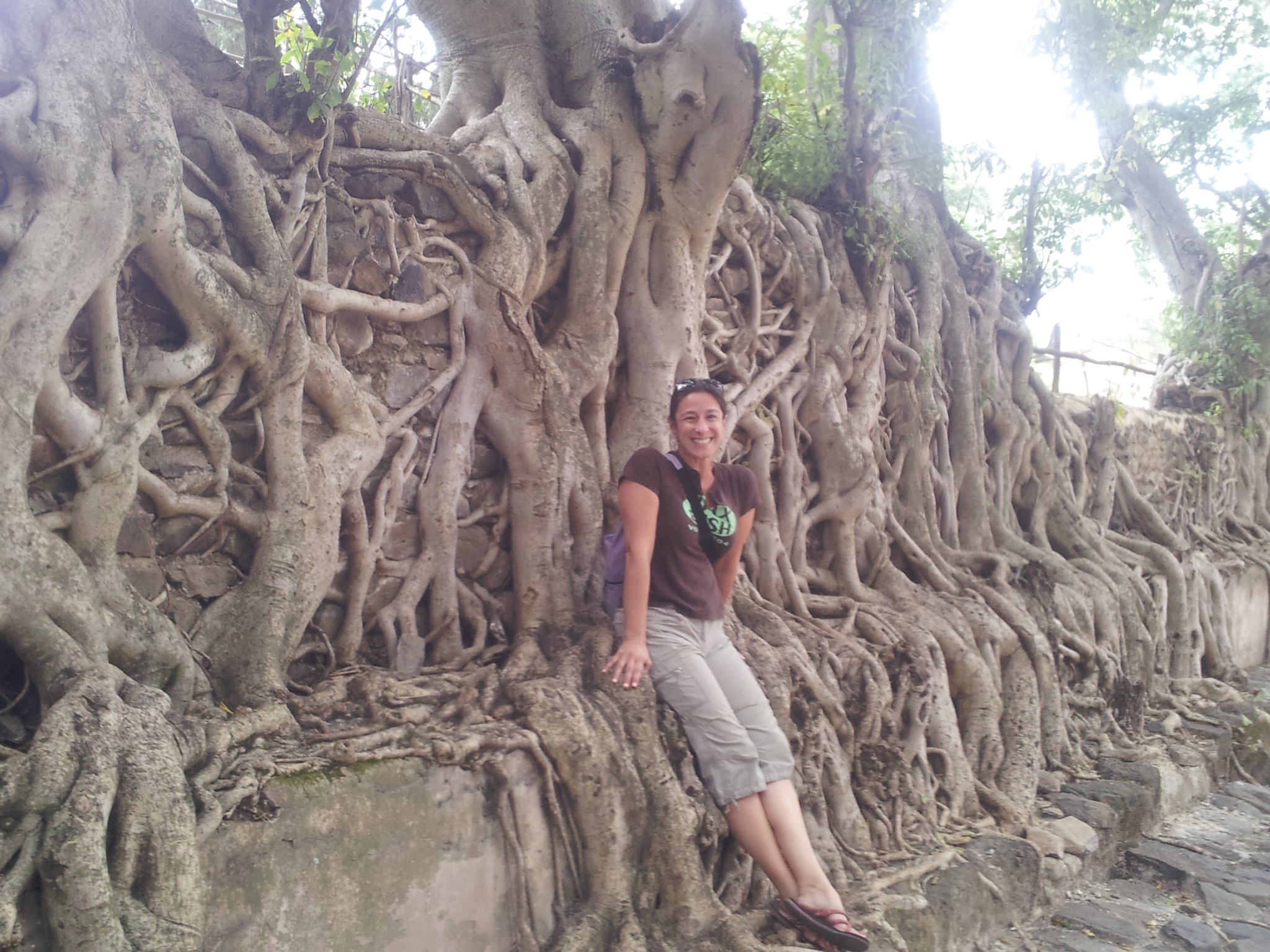


Since the beginning of time, people have revered and worshipped trees. Every culture and every faith has its own mythology around these sacred sentient beings. Until perhaps today. Today we are destroying trees at an alarmingly rapid pace. Is it too late?
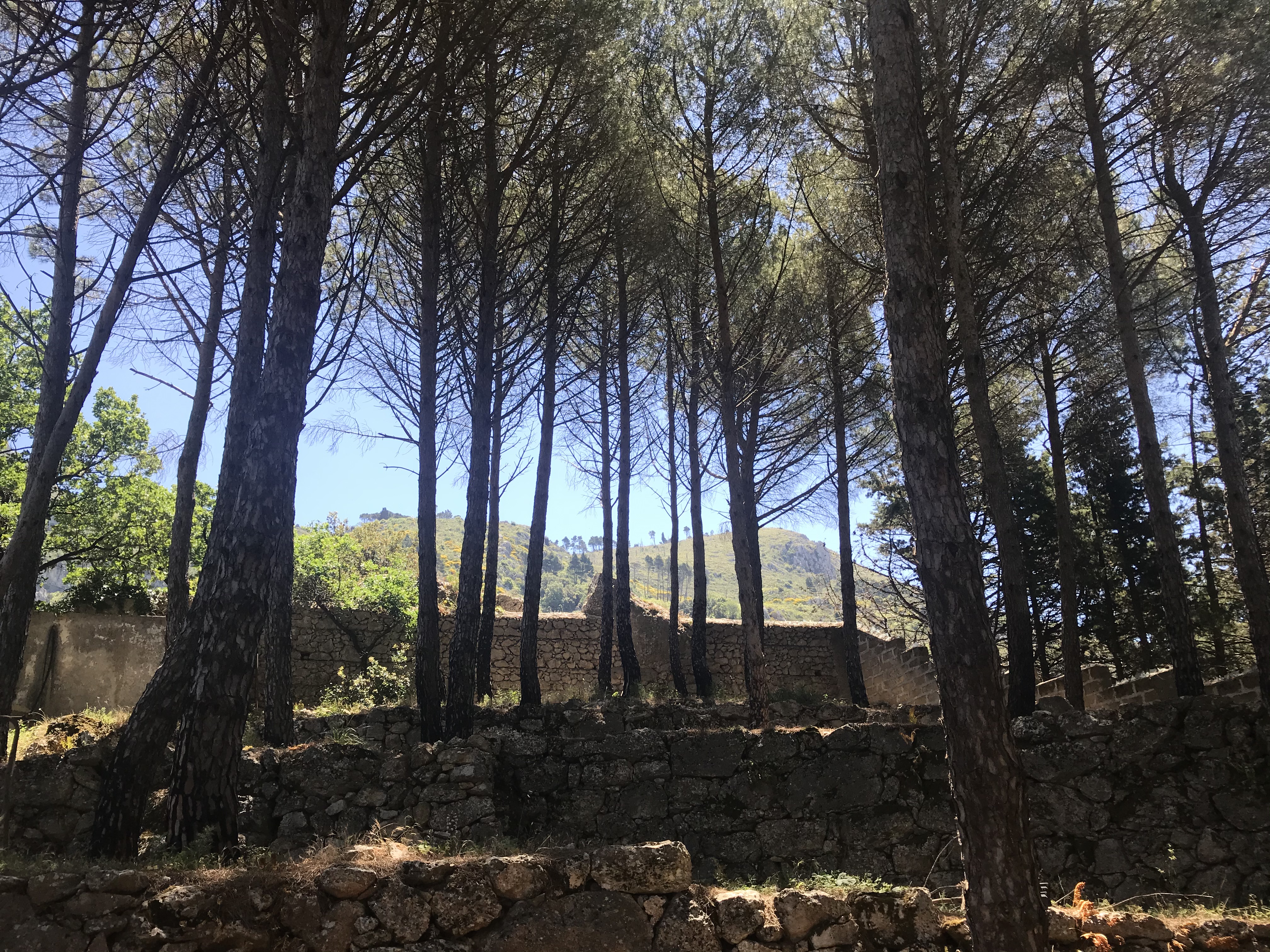
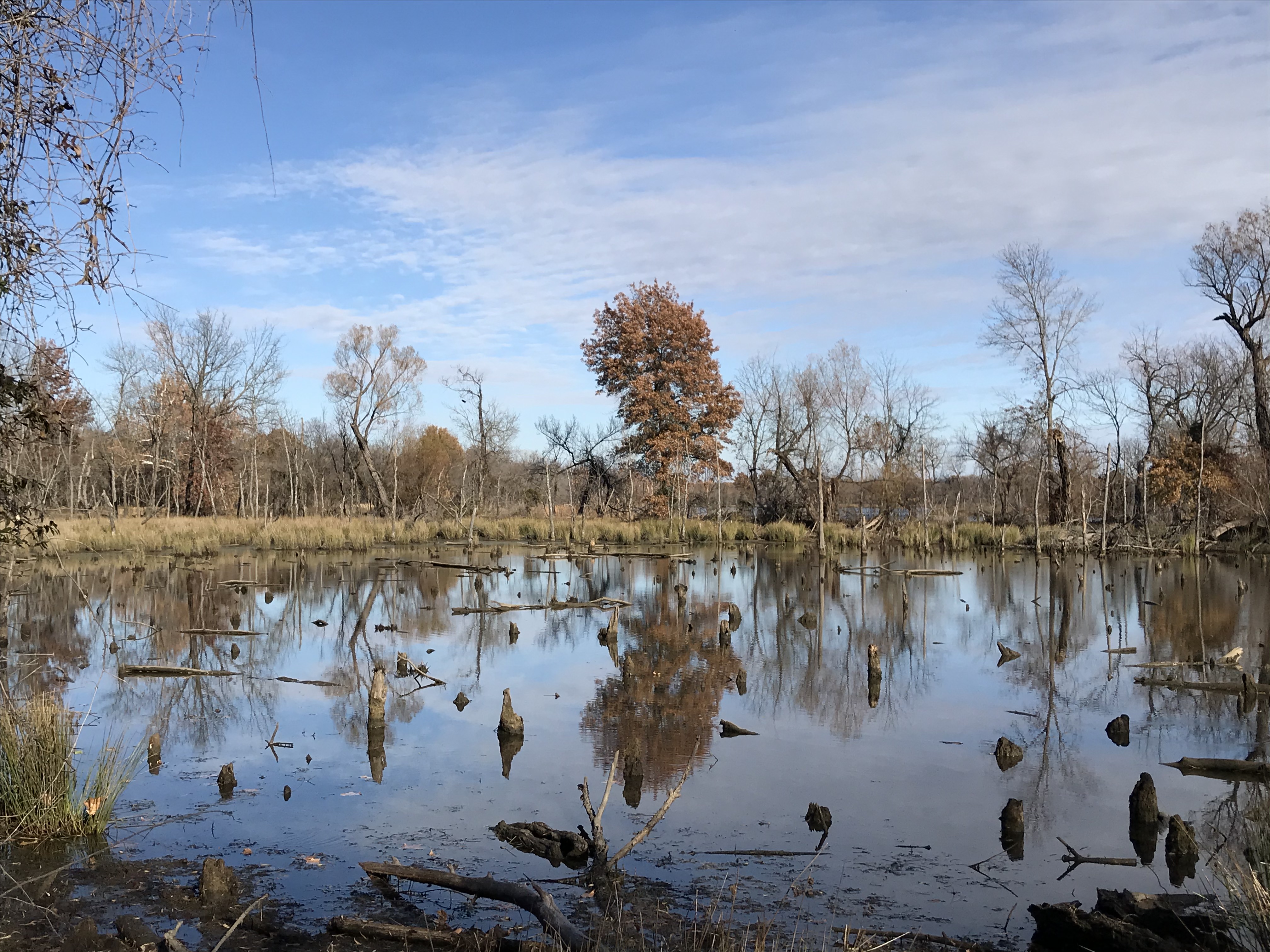
Trees by Joyce Kilmer
I think that I shall never see
A poem as lovely as a tree.
A tree whose hungry mouth is prest
Against the earth’s sweet flowing breast;
A tree that looks at God all day,
And lifts her leafy arms to pray;
A tree that may in Summer wear
A nest of robins in her hair;
Upon whose bosom snow has lain;
Who intimately lives with rain.
Poems are made by fools like me,
But only God can make a tree.
JanPepplerHOME is reader-supported. If you have the means to make a gift, I’d be grateful if you would. Thank you for reading. Please share this site with friends!
Plant a seed with a one-time donation. Thank you!
Support my work monthly and help me grow.
An annual gift is truly an elder tree gesture!
Choose an amount
Or enter a custom amount
Your gift is deeply appreciated.
Your gift is deeply appreciated.
Your gift is deeply appreciated.
DonateDonate monthlyDonate yearlyLove Your Mother

If you’ve been following me for a while, you know I often comment on how Mom is our first home. We are created inside our mothers and she houses us for many months while we grow.
I don’t want to be cliché today. You’re going to see a LOT of stuff, I’m sure, about today in the news. But since my topic is home, I need to at least say something in honor of Earth Day.
Many religions believe humans were formed from the earth. We are born of the earth. Earth is our first Mother.
Like a good Mother, she nourishes us, soothes us, and protects us. From Her, we are fed. In Her fields and waters, trees and forests, mountains and sands, we are comforted, we find peace. In those same places, we can be protected from harm—if we access them wisely. She gives us herbs and medicine to heal ourselves. She provides materials to build shelter. Without Earth, we have no home.
And, like children everywhere, we are rebellious. We think we know better than She does. We try to manipulate Her according to our whims and desires. Sometimes, She allows us to get away with it. Other times, Her reaction is swift.
Today, I hope you will do what She wants more than anything: pay attention to Her. Spend the day with Her, if you can. And if you can’t, at least give Her a gift. Donate to an organization that is dedicated to protecting Her. Plant some flowers, plant a tree, start a compost pile. Walk instead of drive. Consider today a holy day.
I’m sure you know the ubiquitous Reduce*Reuse*Recycle directive. And hopefully, you are already doing this.

Turns out, however, that recycling is in jeopardy. For decades, we were shipping our recyclables to China and India. (That alone seems ridiculous, don’t you think? We really haven’t figured out the technology to turn old plastic into something new here in the good old U.S.A.??)
Well, China and India won’t take our plastics anymore. And U.S. recycling plants are closing due to minimal profits and huge hassles. Meanwhile, landfills are raking in the money. In America, sadly, money always wins. Learn more here: the recycling crisis

Recycle Across America is a nonprofit committed to solving this crisis and you can help. Their website has LOTS of great information. I’ve been recycling since the late 1980s and it turns out there are still some things I’ve been doing wrong. Here are two things I learned from Recycle Across America:


Yes, I realize that I can be annoying. I move plastic out of public trash and into recycle bins, like in the airport or at festivals or even people’s homes. At restaurants, I always ask what their containers for leftovers are made of. If it’s styrofoam or plastic, forget it. I won’t take home the rest of my meal. And this is a sacrifice my friends because I’m frugal as heck and I always love leftovers.
Do my actions help? I want to believe they do. If we all do something, that’s a whole lot better than nothing.
This year and moving forward, what are you doing to show your Mother that you love her?
By the way, if you love trees or are even nominally interested in trees and the old-growth crisis here in the U.S., read The Overstory by Richard Powers. I found the interlocking stories haunting and the depth of tree information as thick as humus in the forest and dizzyingly fascinating. The story is rich, timely, achingly painful, and glorious.
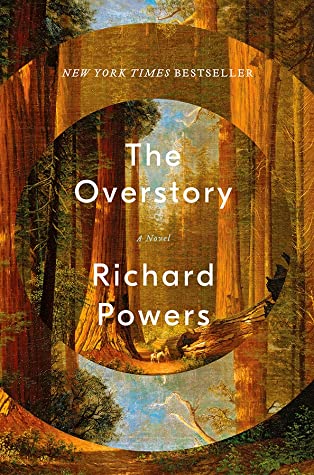
Thank you for reading. And thank you for all that you do to help our shared home. Leave a comment and share what inspires you to do whatever it is you do to protect and conserve our precious natural resources.
The Easter Message Today
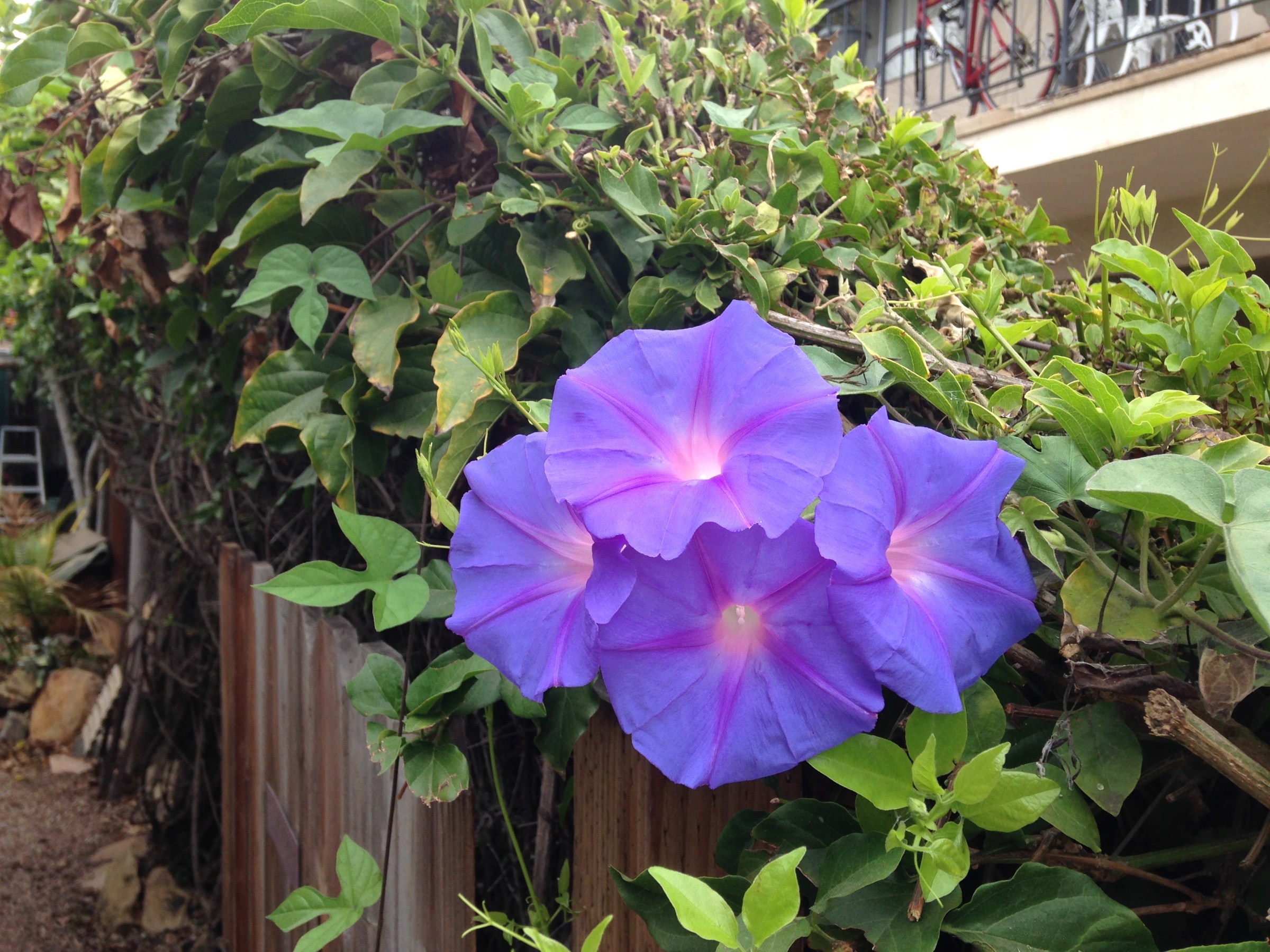
Two years ago, I celebrated Easter in Sicily, in a country-wide Covid lockdown in an apartment looking out at the Tyrrhenian Sea, listening to Handel’s Messiah and hearing it differently than I had in all my years.
The trumpet shall sound… and we shall be changed.
Over and over again during those first months of the pandemic, it was said that things will never be the same. In every article and every posting was a claim of a new normal – a release from the insanity of over-working capitalism and the destruction of our Earth. In this imposed period of rest, it was said, we were being renewed and the earth was too. Wisdom would prevail. We would return to what was truly important: family, community, nature, peace. The fundamental necessities.
Two years later and mass genocide is happening live on TV. War is raining down destroying cities. The rich have gotten richer and corporations—those for-profit machines with more rights than people—are hijacking our economy.
Have we learned anything? Has anything truly changed?
Except that maybe perhaps we are hurting in new ways. More insidious is the ache, the numbing pain, the precipice of despair.
In all this, I offer you the wisdom of Wendell Berry. Mr. Berry is a literary savant. More than that, he would tell you, he is a farmer, having farmed his entire life in Port Royal, Kentucky. His connection to the land informs everything: his faith, his relationships, his activism, and his writing.
The following poem was first published in the 1970s and I only discovered it around 2006. Since then, it has been my annual Easter poem, to be read at every Easter gathering I have hosted and attended. The message is more salient now than ever.
Be joyful even though you have considered the facts.
Practice resurrection.
I was going to wait until Sunday morning to publish this post, but I can’t shake the feeling that now, in these last days of Holy Week, is when we need this reminder. Not to be glossed over in the joy of Easter but instead pondered in the weight of death – to foster the understanding of our interconnectedness. Spring is all the more sweet because we have endured Winter. And sweeter still when we participate in it and not simply observe it.

Manifesto: The Mad Farmer Liberation Front by Wendell Berry
Love the quick profit, the annual raise,
vacation with pay. Want more
of everything ready-made. Be afraid
to know your neighbors and to die.
And you will have a window in your head.
Not even your future will be a mystery
any more. Your mind will be punched in a card
and shut away in a little drawer.
When they want you to buy something
they will call you. When they want you
to die for profit they will let you know.
So, friends, every day do something
that won’t compute. Love the Lord.
Love the world. Work for nothing.
Take all that you have and be poor.
Love someone who does not deserve it.
Denounce the government and embrace
the flag. Hope to live in that free
republic for which it stands.
Give your approval to all you cannot
understand. Praise ignorance, for what man
has not encountered he has not destroyed.
Ask the questions that have no answers.
Invest in the millennium. Plant sequoias.
Say that your main crop is the forest
that you did not plant,
that you will not live to harvest.
Say that the leaves are harvested
when they have rotted into the mold.
Call that profit. Prophesy such returns.
Put your faith in the two inches of humus
that will build under the trees
every thousand years.
Listen to carrion — put your ear
close, and hear the faint chattering
of the songs that are to come.
Expect the end of the world. Laugh.
Laughter is immeasurable. Be joyful
though you have considered all the facts.
So long as women do not go cheap
for power, please women more than men.
Ask yourself: Will this satisfy
a woman satisfied to bear a child?
Will this disturb the sleep
of a woman near to giving birth?
Go with your love to the fields.
Lie down in the shade. Rest your head
in her lap. Swear allegiance
to what is nighest your thoughts.
As soon as the generals and the politicos
can predict the motions of your mind,
lose it. Leave it as a sign
to mark the false trail, the way
you didn’t go.
Be like the fox
who makes more tracks than necessary,
some in the wrong direction.
Practice resurrection.
Buona Pasqua. A blessed and contemplative Easter, dear friends.

And two more by Mr. Berry, because I love the symbolism of three:
The Peace of Wild Things by Wendell Berry
When despair for the world grows in me
and I wake in the night at the least sound
in fear of what my life and my children’s lives may be,
I go and lie down where the wood drake
rests in his beauty on the water, and the great heron feeds.
I come into the peace of wild things
who do not tax their lives with forethought
of grief. I come into the presence of still water.
And I feel above me the day-blind stars
waiting with their light. For a time
I rest in the grace of the world, and am free.
Spring Cleaning & A Happy Home
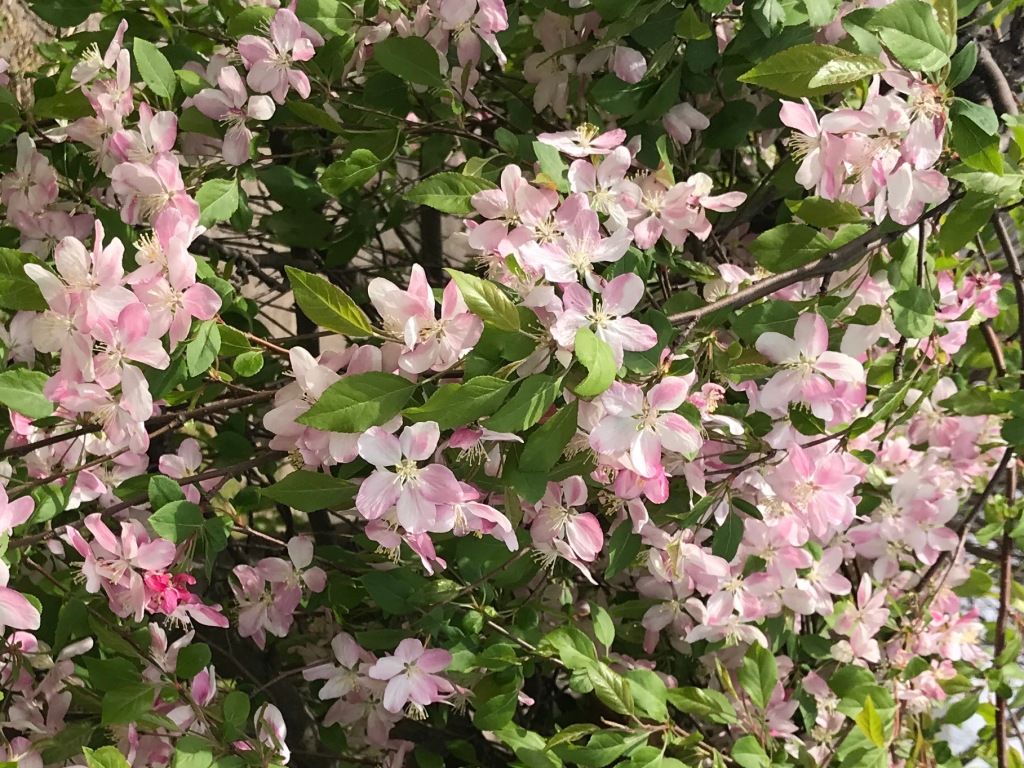
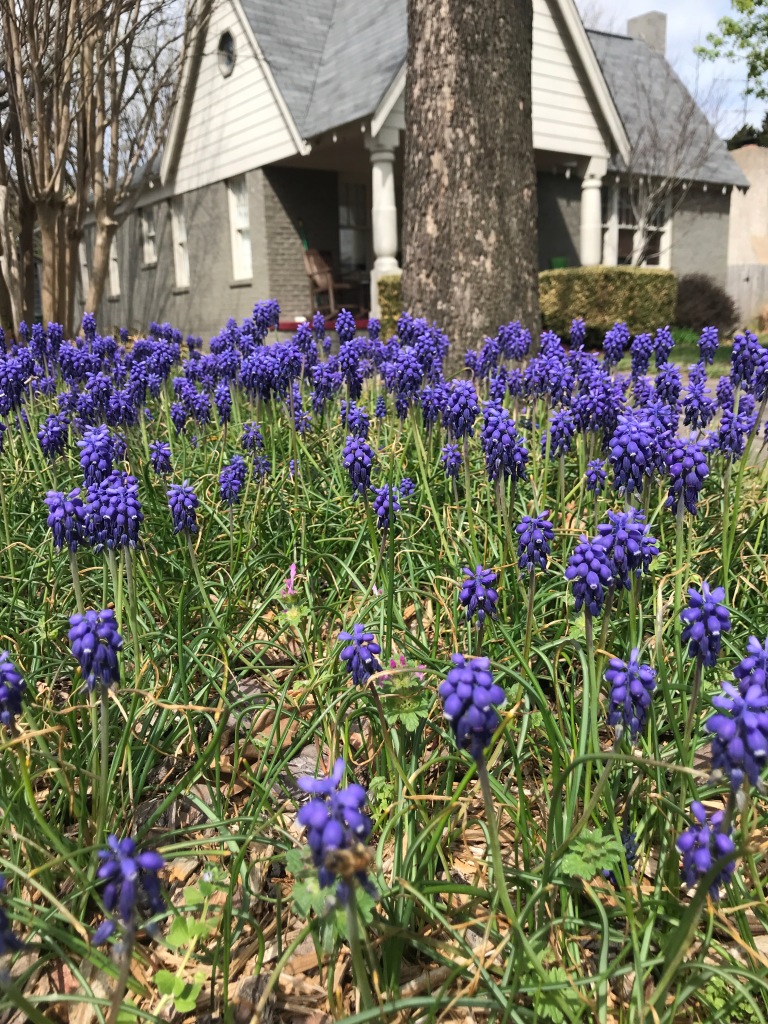
Spring is my favorite time of year. I love seeing the crocus pop their little heads up through the grass and snow, followed by daffodils and then tulips. Apple trees, magnolias, and redbuds are magnificent puffballs of pink and white and purple blooms. The weather is brisk and invigorating, with afternoons bordering on hot. Perfect.
The days are longer now. More daylight gives me more energy. I feel so much more productive once winter’s gloom has been swept away by the sun.
Its light lingers on my hardwood floors in the late afternoon from angles I swear I see at no other time of the year. And with those slivers of light, the cobwebs of life are visible. Spring is always the right season to clean. Windows and walls and shelves, floors and tiles and more. I even just washed all my pillowcases and summer cotton sheets that were crumpled in the linen closet. I’m ready to pack away my flannels.
Don’t you just feel better in a clean house? Studies show that messiness and clutter negatively impact our health.
So why not make a date with your home? Pretend it’s a spa day: scrubbing the floors is like a massage, cleaning the windows like a facial. And clearing away those piles of paper and everything else that clutters your counters and tables, well, that’s a bit like popping pimples: get rid of the gunk you don’t need.
At the end of the day, slip into the tub or into your fresh sheets. Relax in the cool and clean new vibe of your home. Pat yourself on the back and celebrate.
The Guardian just published an article titled, “Wake up to a happy home: how to design a feelgood house.” As someone who suffers from S.A.D. every winter, the summary sentence “Banish the gloom from every room with these 25 tips to give your house a mood-boosting makeover” made me curious.
The suggestions range from ridiculous to absurd. If you’ve been struggling the last two years with the discomfort of pandemic confinement or looking for ways to ward off seasonal affective disorder before it begins, this is not the article for you. But if you’re someone who loves Marie Kondo and home makeover shows, you might like it. Here are just a few of my top picks with plenty of my own suggestions thrown in:
* A mirror brightens every room. Yes, possibly. But oh my heavens, can you imagine a mirror in every room? Some of us are still recovering from the square mirror tiles that covered walls in the 1970s. I don’t care how gorgeous or antique the mirrors are, if you have more than one in a room or one in every room, yikes. I absolutely need a full-length mirror wherever I get dressed, which can be both in the bedroom and then again where I put on a coat and shoes. And it’s always good to have one near the front door for a last-minute check before you face the world. But in terms of decorating, more is definitely not better.
Someone close to me has a huge mirror in their living room. It’s easily eight or ten feet tall and almost four feet wide. It most certainly belongs in a bigger space but… WoW! That mirror feels magical to me – like you could step through it into another world.
In other words, hang mirrors in practical places but don’t limit yourself to practical mirrors. Find a mirror you love. If it makes your room bigger or brighter, that’s a bonus.
* Display your drinks in style. This is actually the second tip in the article. Hey, I love a cocktail but if you’re prone to depression, having your own fashionable minibar is not a good idea. Full stop.
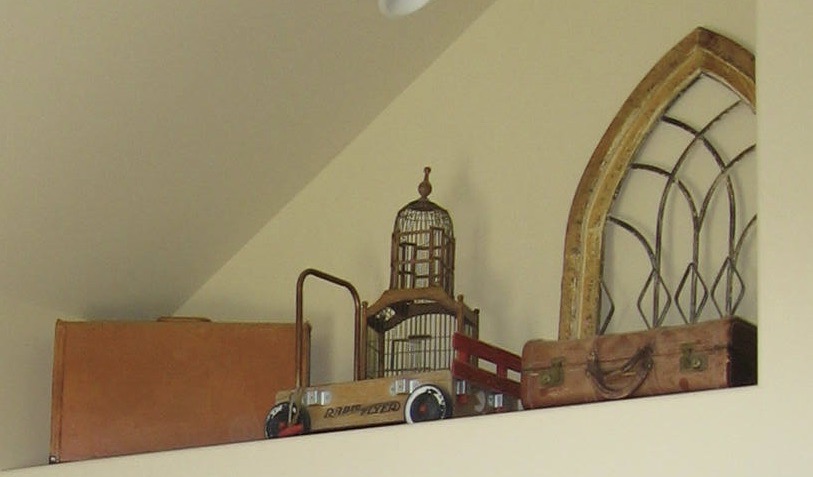
* Decorate with storage. Ok, this one I love. I like things put in their place and I like the look of less clutter. More than that, if you’re like me, you have many small things you are not ready to let go. You know, all that stuff that does bring you joy but you wouldn’t ever display, like maybe things from your childhood. Put it in clever storage. An ottoman that opens. Wicker baskets in bookshelves. Personally, I love storing things in old trunks and suitcases.
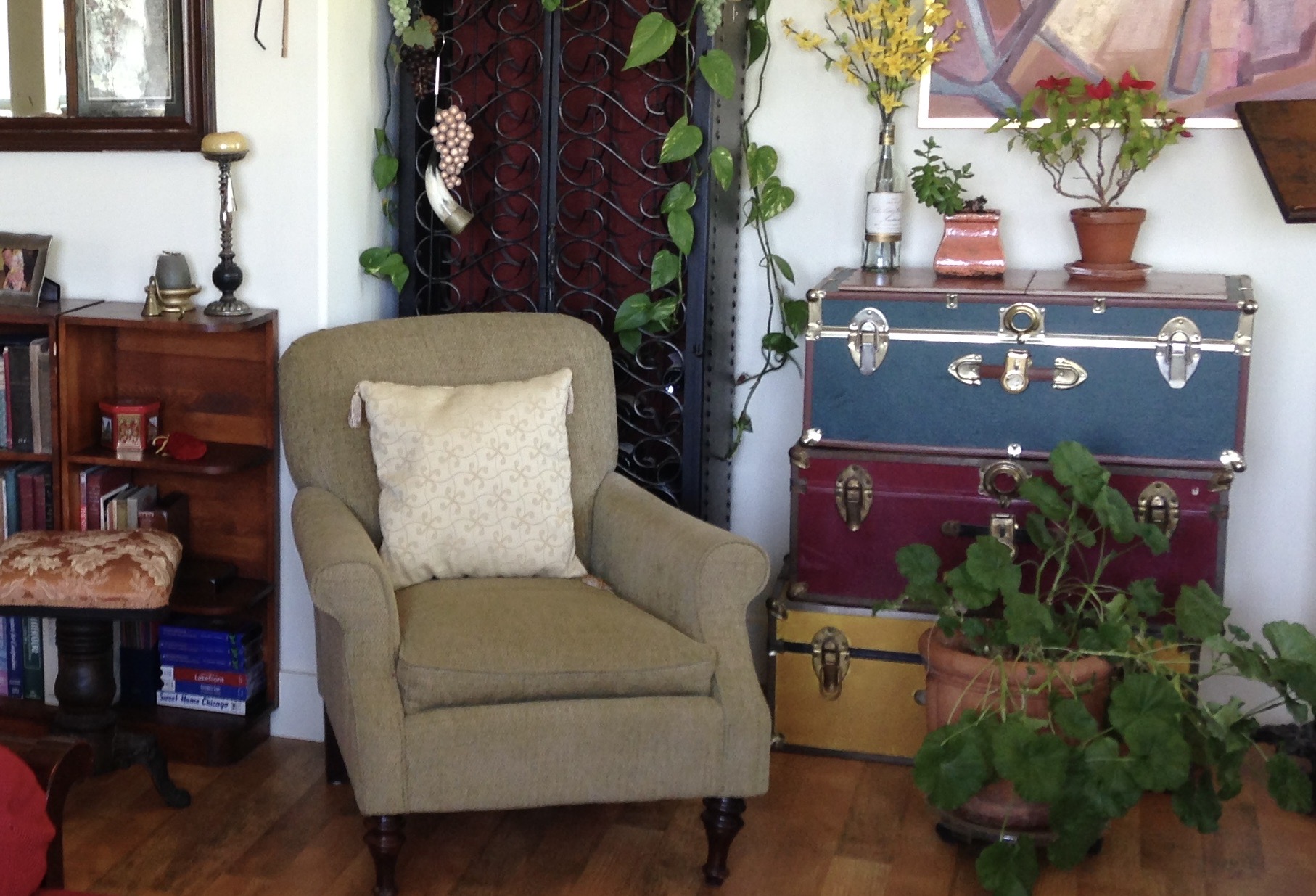
* “Doormats needn’t be dowdy” is another lame suggestion. Sure, there are fun doormats out there. But 1) you spend more time inside your house than standing out front of your door, and 2) doormats require you to look down and a much better mood-booster is to look up. Therefore, I rename this section Joy is in the small things.
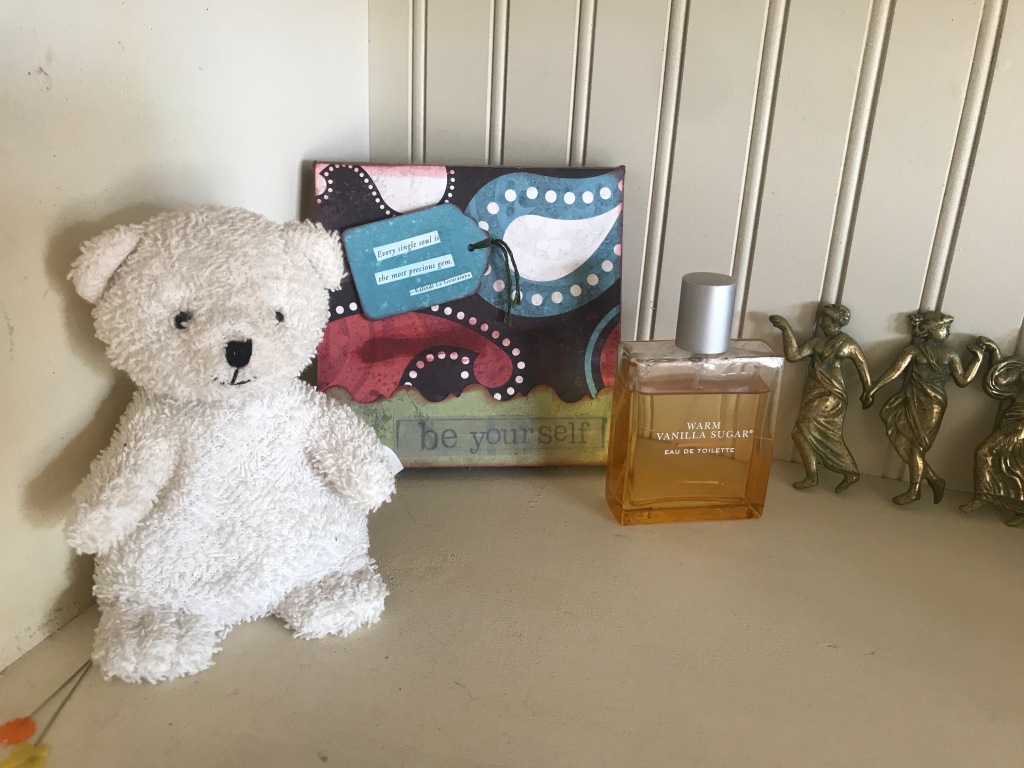
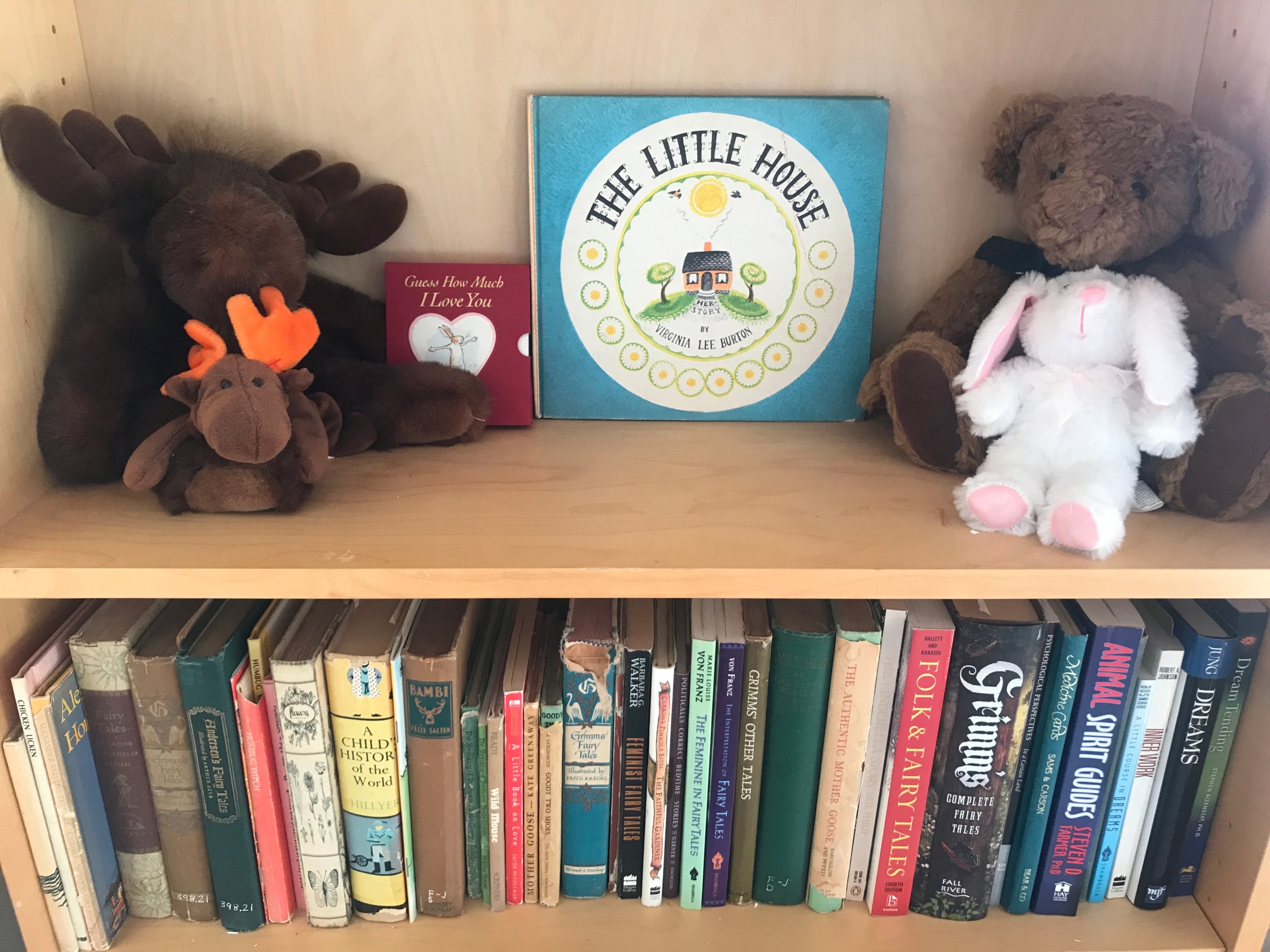
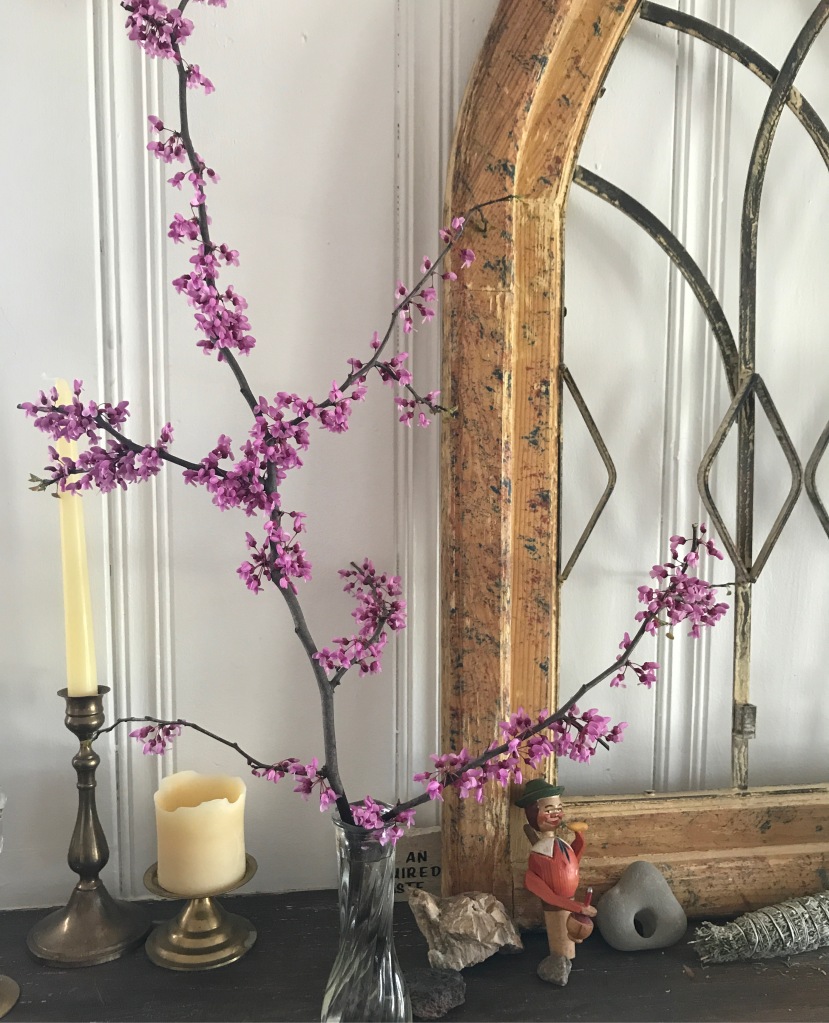
The article mentions a tulipiere vase as a wonderful way to “display rare flora and fauna.” Don’t know what a tulipiere is? Either did I. Honestly, you don’t need another “thing” in your house. The point is that anything blooming can make you smile. Bouquets are great if you can afford them but snipping a stem from your yard can be just as nice. Or something from your neighbor’s yard (with permission). Or buy a blooming plant as it will last much longer. Hey, I’ve even picked weeds and put them in a tiny vase. Their colorful little petals made us smile when we were young, before we knew they were “just weeds.” Be a kid again. Pick up rocks and twigs. Display your stuffed animals. Really.
* Choose colors that make you happy. Maybe even step outside your box here. Go beyond what makes you comfortable to what actually makes your heart skip a bit. Choose something that seems too bold. Maybe bold is exactly what you need. I once bought five pints of paint, all in different shades of yellow, and painted my bedroom wall. Was it a sun? Not sure. All I know is that I needed sunshine, I needed a heavy dose of bright yellow and one solid color seemed too limiting. I loved that wall. It got me through one of the toughest times of my life.
If you don’t want to paint, there are always pillows and sheets and throws. Since I have a pup, I buy queen sheets at the thrift store and throw them over my couch. Red, gold, and brown sheets in the winter, cream and peach in the spring and summer. It doesn’t matter how you add color to your life, just add it. Live in a rainbow. A neutral-colored room may look chic and even feel calm but it won’t make you grin.
Tell me, how do you shake off the heavy slumber of winter and resurrect yourself and your home in the spring?
The Writer’s Almanac featured this poem by Louis Jenkins the other day. I’ve long admired how Jenkins speaks on home. This one is new to me.
BASEMENT by Louis Jenkins
There’s something about our basement that causes forgetting. I go down for something, say a roll of
paper towels, which we keep in a big box down there,
and as soon as I get to the bottom of the stairs I have forgotten what I came down there for. It happens to
my wife as well. So recently we have taken to working
in tandem like spelunkers. One of us stands at the
top of the stairs while the other descends. When the descendant has reached the bottom stair, the person
at the top calls out, “Light bulbs, 60 watt.” This
usually works unless the one in the basement lingers
too long. I blame this memory loss on all the stuff in
the basement. Too much baggage: 10 shades of blue
paint, because we could not get the right color, extra dishes, bicycles, the washer and dryer, a cider press, a piano, jars of screws, nails and bolts…. It boggles the mind. My wife blames it on radon.
Louis Jenkins, “Basement” from Tin Flag: New and Selected Poems. © 2013 Will o’ the Wisp Books.
Advertising tells us we’ll be happier if we just buy more stuff. Better stuff. New stuff. But I’m pretty sure that too much stuff makes us sad. It weighs us down. It reminds us of the things we didn’t do: the instrument we no longer play, the language we didn’t learn, the books and magazines we never read. This spring, maybe get rid of some stuff. Start over. Clean slate.
As the poet Wendell Berry says, “Practice resurrection.”
If you liked this post and would like to make a donation to support my writing, you can do that through PayPal here: Gifts for Jan’s Finding Home Thank you!
1-Euro Homes, Building a Dream
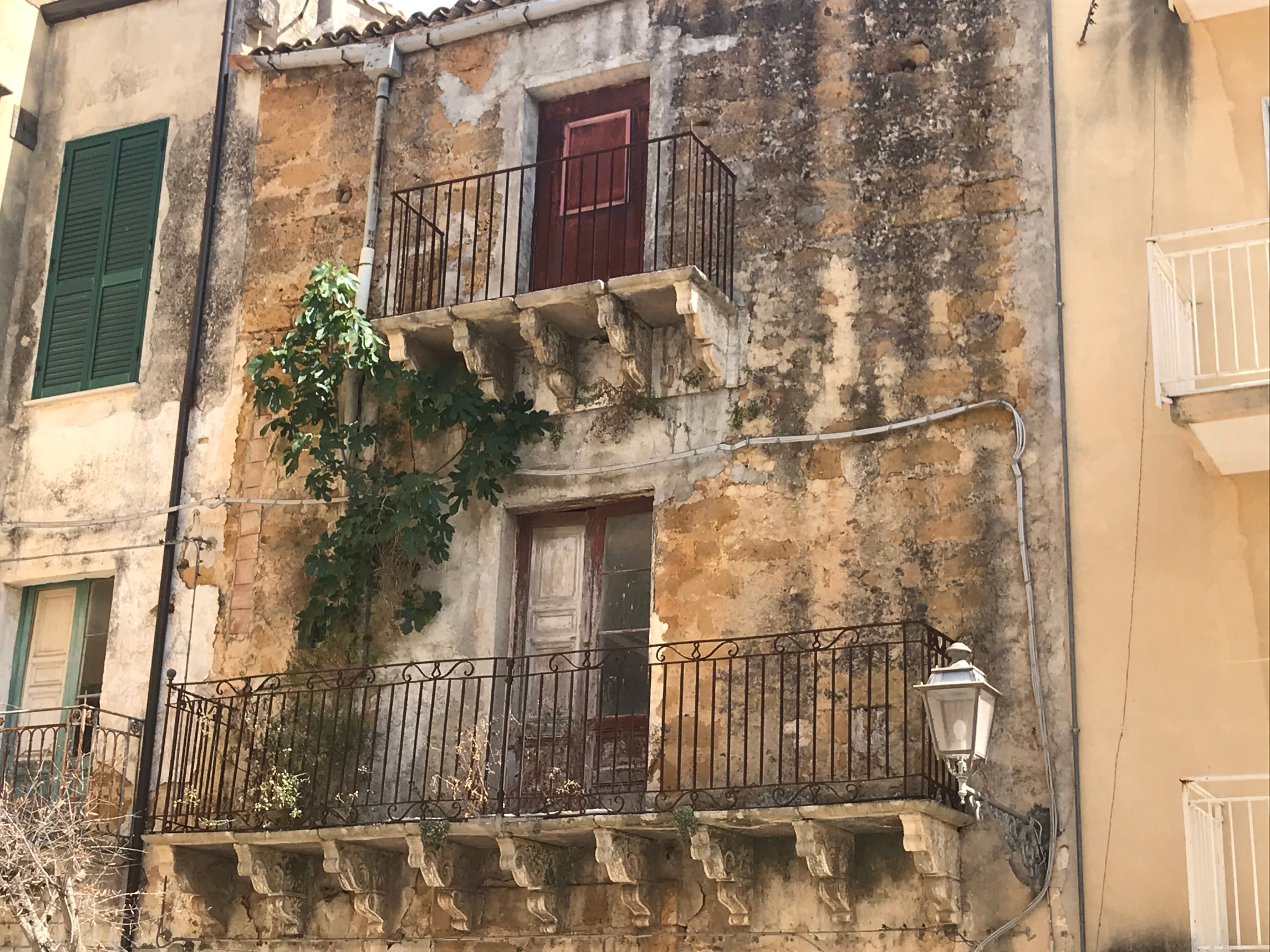
I met someone the other day who owns farmland in Northern California. About 80 acres with a small home, guest house, and room to build other compact dwellings. He told me it was remote, down a long quiet road, an hour from the nearest gas station.
I always get excited when I hear this kind of thing. I’ve dreamed of living on land in community with friends for a very long time. In the 1980s, I imagined owning a bed and breakfast – a real bed and breakfast back when that was still a thing. By the early 1990s, the vision was bigger: at least 75 acres where we could build small cabins or tiny strawbale homes and a larger creative space that we would share for music, massage, dance, and more. In the middle of the property would be a huge garden where we would grow our own food.
This guy nodded his head and said, “Yup, my place has plenty of room for all of that.”
Of course, now I dream of such a community in Italy. But Northern California is beautiful. I’m open to all possibilities.
Then he told me that while his property was an hour to the nearest gas station, it was actually about two and a half hours to the nearest town. Oh. Full stop. Even for me, that’s too remote.
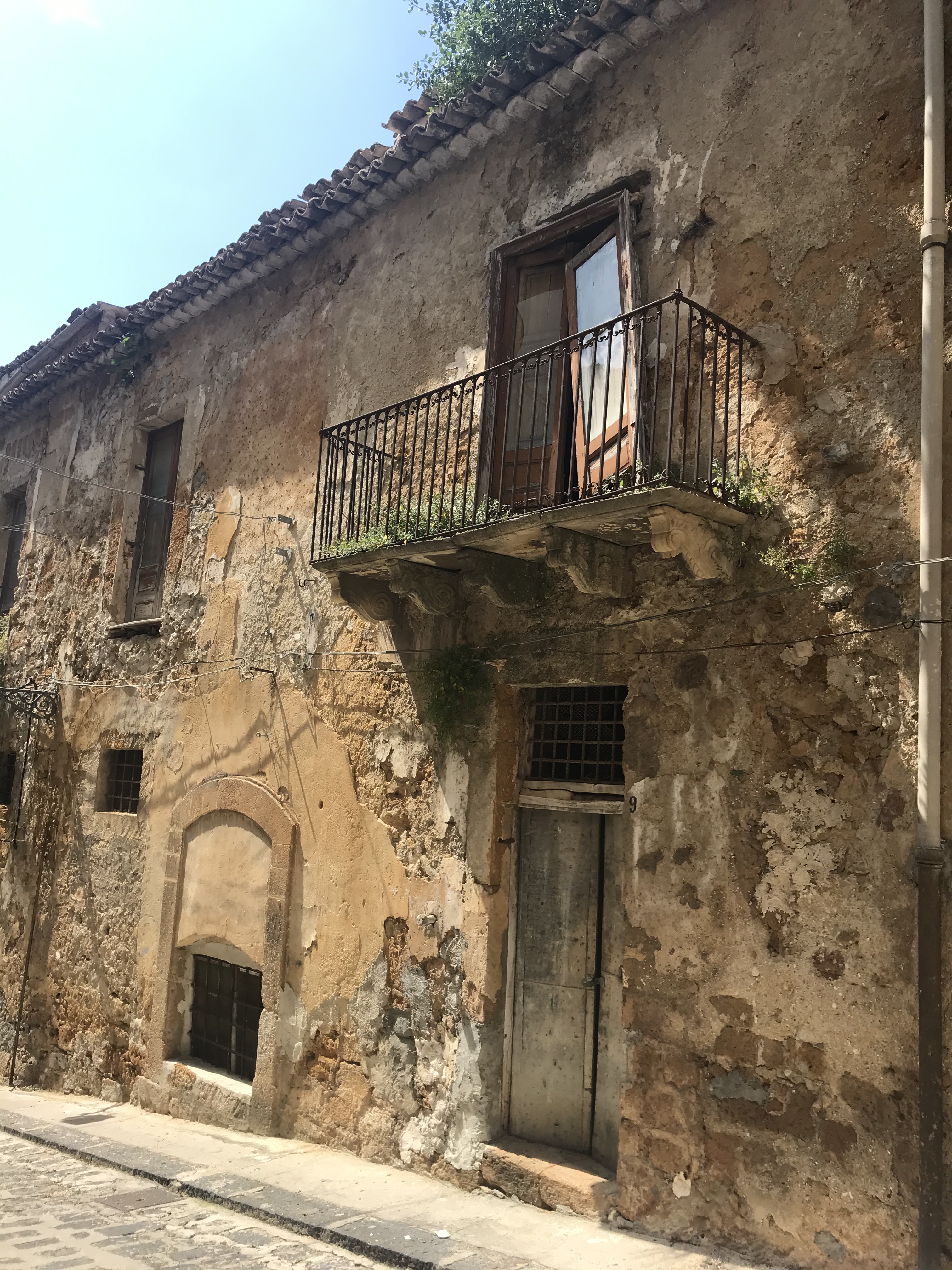
Italian towns first started advertising 1-euro houses for sale in early 2019. Sambuca di Sicilia was one of the first and others quickly followed. The only catch was that a minimum of 17,000 euros needed to be spent in renovations and the renovations needed to be completed in three years.
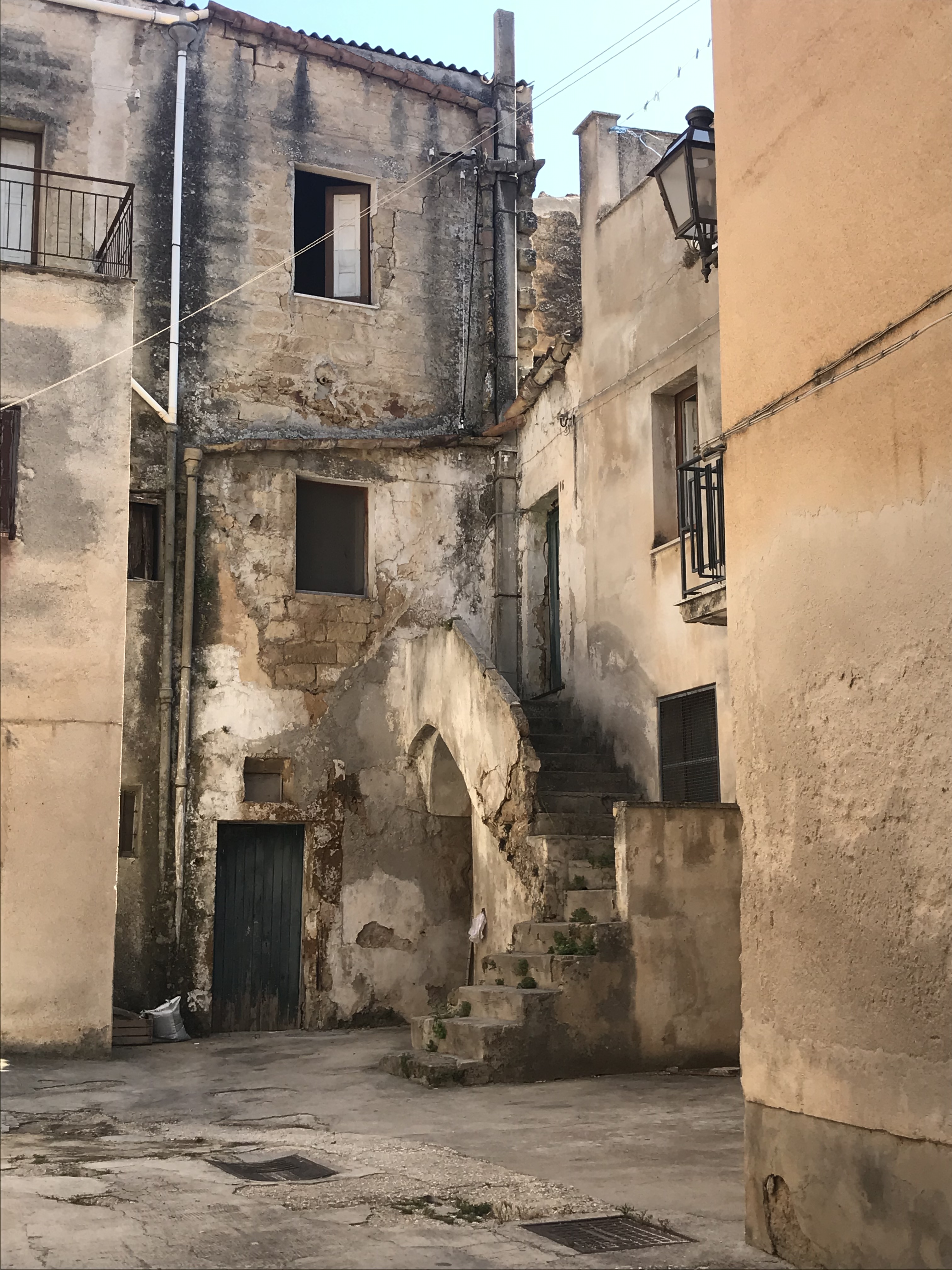
Then, the region of Molise (southeast of Rome) announced it would pay $27,000 to relocate to one of its villages. There were, however, a few caveats:
- The village had to be one with less than 2,000 residents.
- It had to become your primary residence.
- You had to open a business that would benefit the local economy. More than a service to current residents, how would your business promote the town and attract visitors?
I have a friend who’s been an ex-pat for 22 years. We met in San Francisco in 1989 when I was living in a community house in Haight Ashbury, (which is a whole other story). Anyway, she and I got excited about these possibilities. Really excited. We did our research and brainstormed about how we would renovate and what we could create that would bring a steady stream of visitors.
The most obvious idea is a retreat space. Individual rooms with a shared common space and an outdoor setting. Perhaps writers retreats or yoga retreats or artists in residence. I could even fall back on my 20+ years as a massage therapist and offer massage.
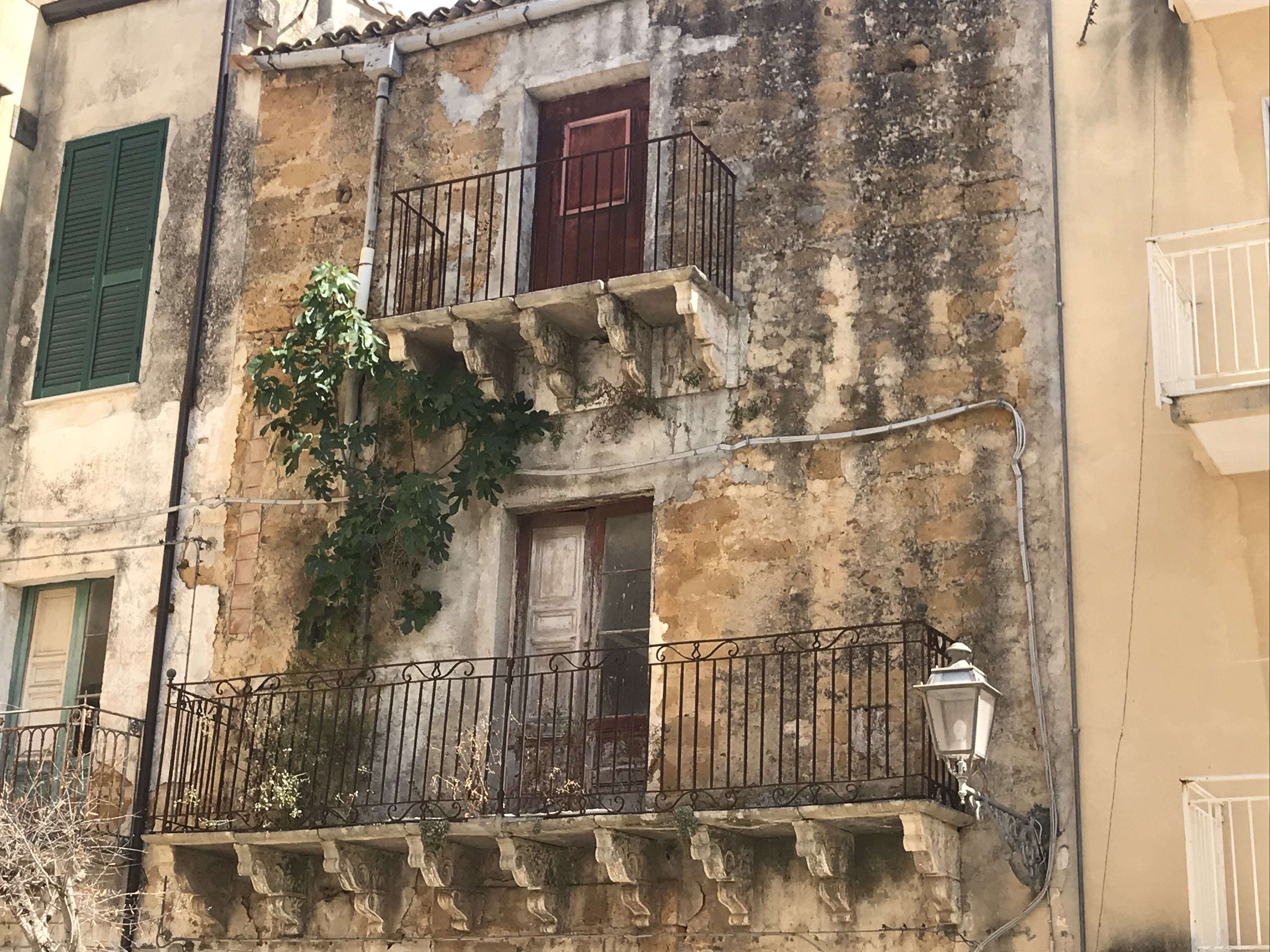
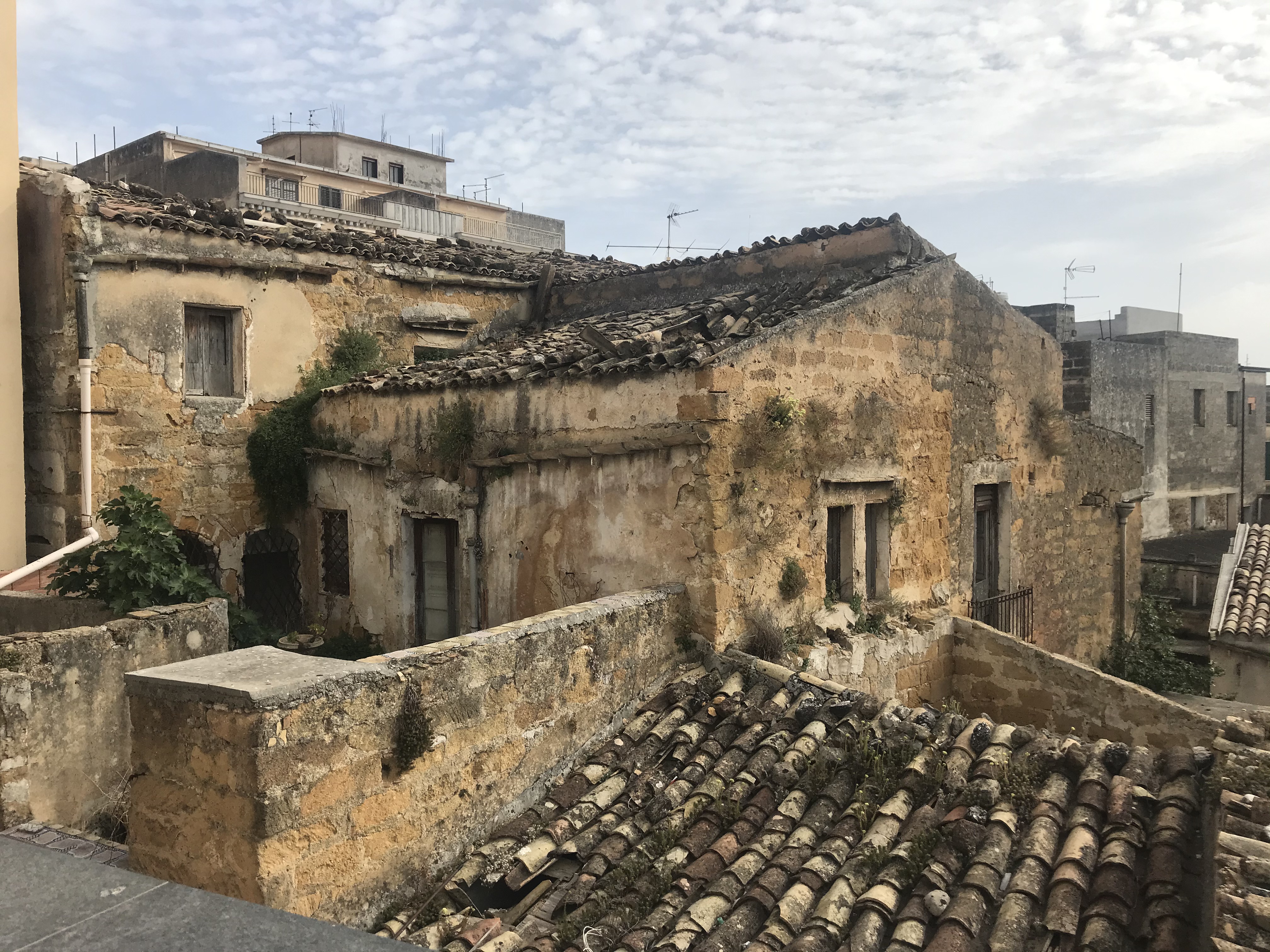
One week of my planned trip to Italy in 2020 was dedicated to us driving around and visiting villages where we might make this dream come true.
Then the pandemic happened. All plans came to a halt as the world stood still. I’m not sure if the Molise offer still exists. But the number of Italian towns offering 1-euro homes has grown to twenty-six. If that seems like a lot, remember that Italy is primarily a country of small towns and villages. Around 5,800 of them have less than 5,000 residents and half of those have been partially or completely abandoned.
There are several reasons for this. Earthquakes and other natural disasters severely damaged many towns. Residents who didn’t have the funds for repairs simply left. And of course, the 20th Century brought more opportunities in cities like Rome and Milan. But the first major exodus happened shortly after the unification of the country in 1861. By WWI (1914), sixteen million Italians emigrated, with most landing in North and South America. Low-income laborers accounted for at least half of these numbers. Which is to say, the homes they left were nothing great to start with.
1-euro homes are basically shells. Empty for decades and some even for over a century, these are not simple fixer-uppers. Everything needs to be done in these places: roofs and walls, plumbing, electricity… bedrooms, kitchens, and bathrooms all need to be built from scratch.
There are a lot of YouTube videos featuring the purchase of 1-euro homes. Enough to make me reconsider. The amount of work that needs to be done seems staggering, particularly for someone with extremely limited funds.
Lorraine Bracco’s My Big Italian Adventure is worth watching. In just a few months, shown over three episodes, her 1-euro home in Sambuca di Sicilia is completely transformed. She’s an actress and it’s a TV show, so it’s filled with drama, but it’s also pretty honest. She started with a $145,000 budget. After it was all said and done, she admits the project cost more like $250,000.
That’s money I don’t have. But… she did something that gave me an idea. Something that seems more reasonable and even practical. Something that maybe I could do. Something I explored during my visit in February.
Stay tuned!

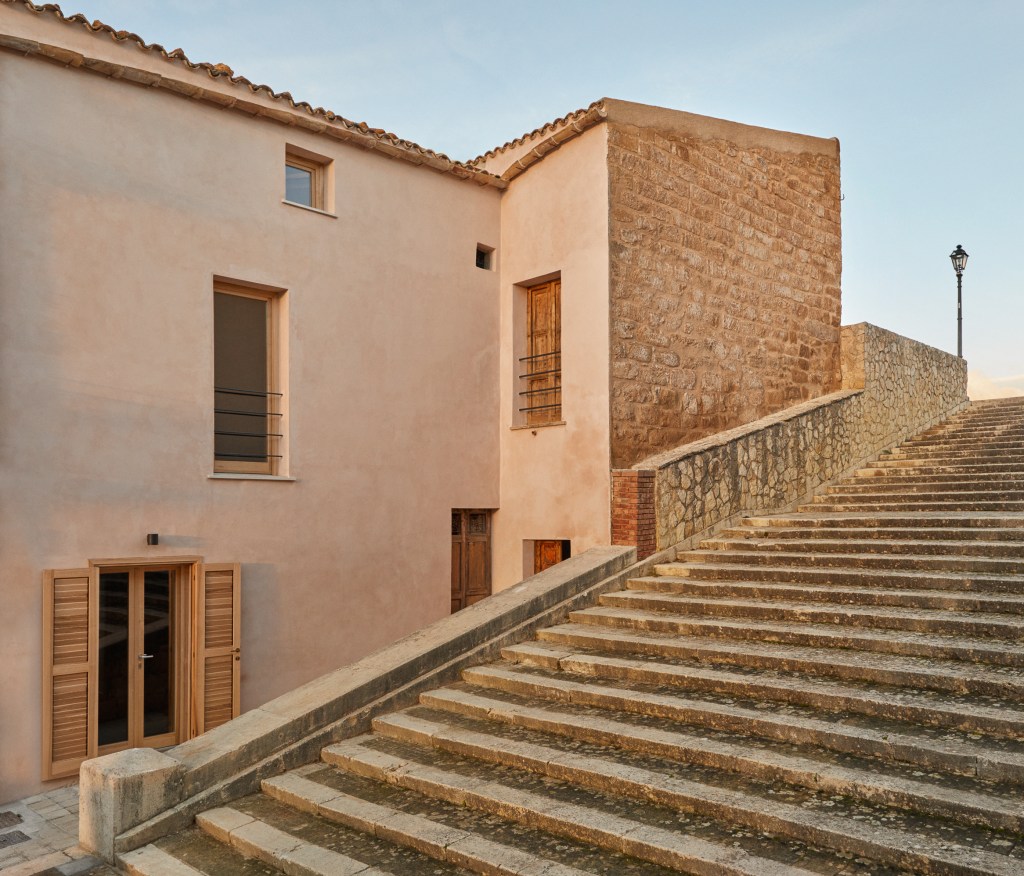
Check out this video that features 1-euro homes in Sicily:
In it, you’ll meet Giuseppe Cacioppo, deputy mayor of Sambuca di Sicilia, whom I met in 2020. Giuseppe has become a friend and was a guest at the dinner I detailed in my post, “Food, Family, Friends.”
JanPepplerHOME is a reader-supported blog. If you have the means and can make a donation, I would be deeply grateful! Thank you!!
Make a one-time donation
Make a monthly donation
Make a yearly donation
Choose an amount
Or enter a custom amount
Your contribution is appreciated.
Your contribution is appreciated.
JanPepplerHOME is a donor-supported blog. If you have the funds to support me in any way, please know your gift is greatly appreciated! Thank you!
DonateDonate monthlyDonate yearlyRosa Parks. Almost Home

Naples is the last place I would expect to see something related to the struggle for Civil Rights in America. But there I was in the San Ferdinando district, admiring The Royal Palace from the 17th Century when inside the Courtyard of Honour was this:

The home of Rosa Parks. The home in which she lived after she fled death threats following her dramatic refusal to give up her seat on a bus. The Detroit, Michigan home where she lived with her brother and sister-in-law and their thirteen children after she left Montgomery, Alabama. The home where she hoped to find a better life than in the South. Instead, while riding the bus was no problem, she found housing segregation to be just as bad in Detroit as it was in Alabama and, as she said, more obvious.
She was with family which meant she was certainly home, yet she still found herself on the outskirts of home with her country.
It was in this house, in the Virginia Park neighborhood of Detroit, that she focused most of her activism on housing issues. By 1962, urban renewal policies had destroyed 10,000 structures in Detroit, displacing over 30,000 African-Americans (70% of all those who were affected).
As Ms. Park’s health began to decline, she moved from this house to several senior housing facilities, first to care for her ailing mother and then by herself. The rest of her family left this house in 1982 and the home stood empty for decades. Her niece, Rhea McCauley purchased the home but lacked the finances needed to restore it and could not secure funding for that purpose. Consequently, in 2016, the house was scheduled to be demolished.
And that’s when American artist Ryan Mendoza decided to save it. He took it to his home in Berlin and had it reassembled in his garden. And now, as he lives in Naples, Italy, he has brought the Rosa Parks home to Naples.
Each time the home is taken apart, moved, and rebuilt, or re-membered, Mendoza says we are given the opportunity to re-member how we think about American history.
Rosa Parks was not a meek and tired woman who participated in activism for just one day in 1955. Instead, she was a life-long activist for equal rights, civil rights, human rights.
As the United States continues to grapple with who is remembered as a hero and what memorials we will keep and those we will take down, it behooves us to consider the Rosa Park home as a place worth conserving.
This is not the grand home of a general, a president, or a philanthropist. This is not a large home. It is small and decaying. And yet, this home speaks volumes. This home has stories. This is the home of a woman and her family who lived their lives trying to keep their home and trying to make their home country a better place for all.
Almost Home. To be home but not quite fully at home. To be free but not completely free. To be a home not in the home of its origin.
Maybe one day.
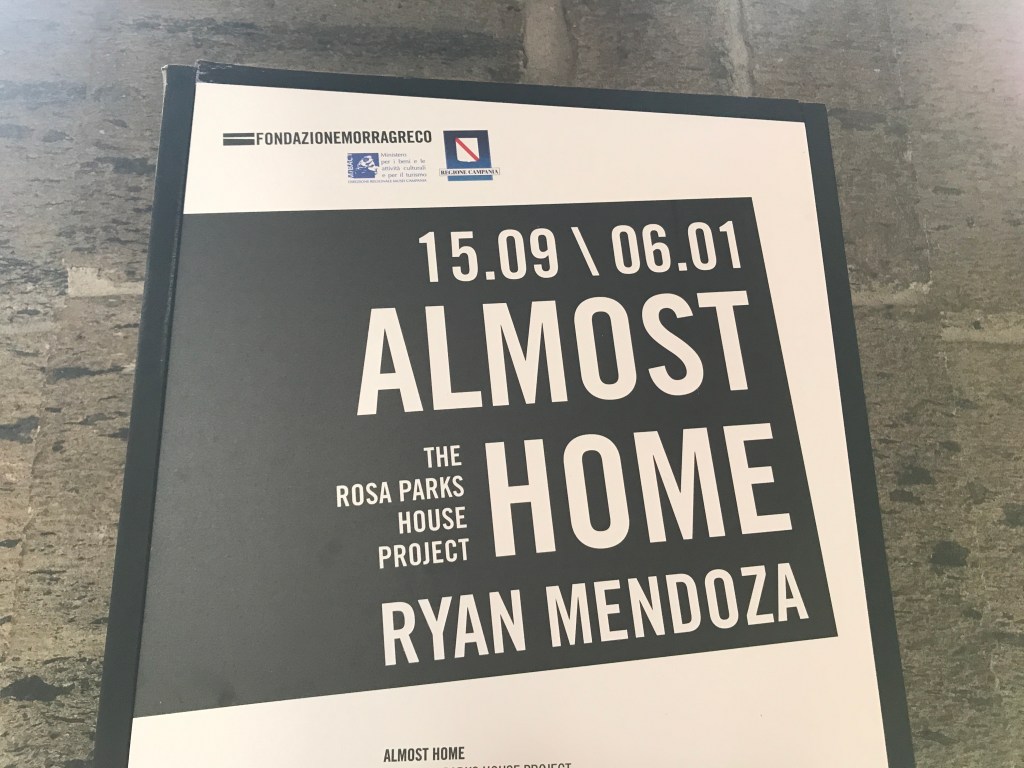
What do you think? Can you imagine living in this tiny home with fifteen other people? Do you think this home is worth saving? What do you think of the juxtaposition of this small humble home in the courtyard of the Royal Palace in Naples?


Ukrainians and Home

Almost 3.5 MILLION refugees have fled Ukraine since Putin began his war on this sovereign country three and a half weeks ago. The vast majority have entered Poland and the rest have sought shelter in Romania and neighboring countries.
Many Americans want to help. Kudos to Avi Schiffmann and Marco Burstein for creating Ukraine Take Shelter, an online platform that connects Ukrainian refugees with potential hosts and housing. It’s heartening to see so many folks across the United States, even here in Tulsa, who wish to welcome Ukrainians and are posting lodging on this site. Hopefully, these people will help persuade our elected officials and other Americans to reconsider our policies on migrants entering the United States.
The reality is that very few Ukrainian refugees will come to the States. Our government is working on fast-tracking Ukrainians who already have family here, but that’s it. An operation to transport refugees to the States is not likely to happen. Even those with family in the States don’t necessarily have the resources to travel.
Those that make it to the U.S./Mexico border have encountered strict policies under Title 42 (enacted during the last administration) that make crossing extraordinarily difficult. The story of a Ukrainian family (a mother with her three children) seeking asylum is frustrating. But then, the plight of asylum seekers in the U.S. has been heartbreaking for years now. Restrictions were loosened last week for Ukrainians but still remain in place for all others coming from Central America, Haiti, Brazil, and Mexico.
People don’t want to leave their homes. Our human nature is to stay put. We leave only when we feel there is no other choice. Migrants, refugees, asylum-seekers all come to America when they fear for their lives, when they believe life in their home place is unbearable or impossible. Sure, some still come for better jobs, like those who work in the tech industry or those with significant wealth who want to enjoy the American lifestyle. But they are the minority. The endless opportunities of a new world-better life dream which built our country with immigrants from Europe are now merely a hope for children of immigrants, while the immigrants themselves face discrimination and are forced into minimum wage jobs that Americans don’t want.
I met an Armenian man last week who is a medical doctor in his home country. Here, in the States, he is an Uber driver. I didn’t ask why he chose to come to the U.S. in 2015, especially when his medical license would not be recognized, but I can imagine that the genocide which happened in Armenia in 1915 may have something to do with it. Epigenetics now shows that trauma is transmitted across generations, inherited by children, grandchildren, and even great-grandchildren. And the effects of this inter-generational trauma can be devastating.
Leaving one’s home of origin can feel like a plant ripped from the ground without its roots. On top of the discrimination that refugees face in the U.S., those who leave their home countries must also wrestle with the pain and heart-sickness of being separated from their loved ones. Sadness, fear, and doubts plague those who have left family behind. Sofia Sukach, in her recently published essay, says, “I felt ashamed to run away” while her home in Kyiv is being bombed, even when that meant joining her parents in Warsaw. She continues:
You can tell me that the world is already doing a lot, and I am grateful for humanitarian support and tough economic sanctions on Russia. But the only way to stop the war now is to protect the sky over Ukraine or provide us with the tools to do it ourselves. The longer that takes, the more innocent lives we either lose or leave to be shattered by a conflict we didn’t ask for.
I wait and pray that our allies will help our country, and I dream of returning home.
If you want to do more to support the people of Ukraine, consider these 28 Meaningful Ways You Can Help Ukraine, published by Global Citizen.
May we—individually and as a country—reconsider our prejudices and policies regarding refugees and asylum-seekers seeking shelter in the U.S.A. We are fortunate to call this land our home, a country built on diversity and immigrants. May we find room in our hearts to welcome others to our hearth and table, regardless of their skin color or faith.

The National Flag of Ukraine is so simple and yet infinitely beautiful and symbolic. The blue color of the flag represents the sky, streams, and mountains of Ukraine. The yellow color symbolizes Ukraine’s golden wheat fields and the richness of the earth. I can’t help thinking of the lyrics to America the Beautiful. We are all patriots of our countries, rejoicing in the beauty and bounty of our lands.
On top of the flag is the trident from the Ukrainian coat of arms. There are many theories on the symbolism of this trident but all agree it was adopted to emphasize the antiquity of the country.
Some say that this image is not a Falcon flying down, but a swan that flies up. In Ukrainian, the Swan is a symbol of regeneration, purity, chastity, proud loneliness, nobility, wisdom, and courage. Another thing that Americans relate to.
 Jan Peppler HOME